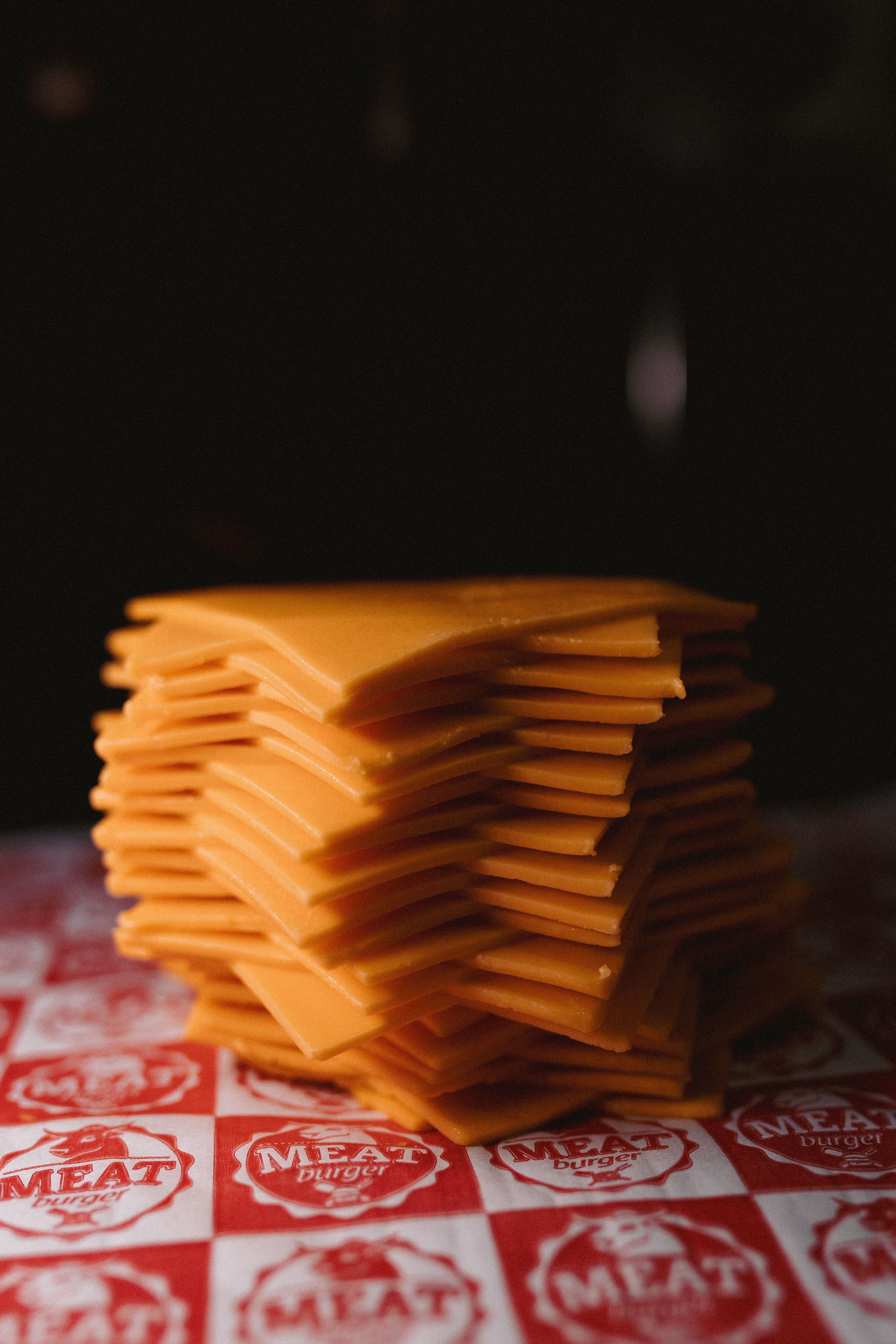
The diets react (see scores below)
Diet Ratings
Cheddar cheese is nearly carb-free (~0.4g net carbs per ounce) and high in fat and protein. It is a keto staple that fits macros perfectly with no portion restrictions.
Animal product made from milk. Contains casein and whey. Explicitly excluded from vegan diet.
Cheese is a dairy product and is excluded from paleo diet. Contains casein and lactose, and is a processed food not available to Paleolithic humans.
Cheddar is high in saturated fat and sodium. While cheese is acceptable in Mediterranean diet, traditional Mediterranean cheeses like feta and pecorino are preferred. Cheddar should be consumed sparingly.
Some flexible Mediterranean diet interpretations accept cheddar in small amounts as part of moderate dairy consumption, though traditional Mediterranean cheeses remain preferred.
Animal-derived dairy product with lower lactose than milk due to fermentation. Widely consumed by most carnivore practitioners, but strict camps exclude all dairy.
Lion Diet and strict meat-only carnivores exclude all dairy including cheese. Some practitioners report inflammatory responses to casein and lactose even in aged cheeses.
Cheese is a dairy product and is explicitly excluded from Whole30 for the entire 30-day period.
Cheddar cheese is low-FODMAP due to minimal lactose content (lactose is fermented during cheese aging). Monash University rates hard cheeses as low-FODMAP at standard serving sizes.
High in saturated fat, cholesterol, and sodium. One ounce contains ~7g saturated fat and ~180mg sodium. DASH recommends limiting cheese or choosing low-fat varieties in small portions.
High in saturated fat (~7g per oz) with minimal carbs (~0.4g) and moderate protein (~7g per oz). Calorie-dense; easy to overportion. Dr. Sears prefers lower-fat cheeses and emphasizes monounsaturated fat sources over saturated dairy fat.
High in saturated fat and arachidonic acid (omega-6 precursor). Processed cheese often contains additives. Promotes inflammatory markers. Dr. Weil recommends limiting full-fat cheese. Should be avoided or used sparingly as a condiment only.
Good protein (7g per oz) but very high fat (9g per oz, mostly saturated) and calorie-dense (110 cal per oz). Fat content can trigger nausea and bloating. Small amounts as flavoring acceptable; not suitable as primary protein source on GLP-1.
Some GLP-1 RDs include small portions of cheese (1 oz) as a nutrient-dense protein addition, while others recommend avoiding it entirely due to saturated fat density and the ease of overconsumption. Clinical guidance varies on whether cheese's protein benefit outweighs its fat-related side effect risk.
Nutritional profile
Six traits that cut across every diet.
Fiber & Plants
How much whole-plant food and fiber it delivers.
Healthy Fats
The quality of its fats (unsaturated, omega-3).
Whole / Unprocessed
How close it is to its natural, unprocessed form.
Gut Gentle
How easy it is on digestion (low FODMAP, few irritants).
Low Glycemic
How little it spikes your blood sugar.
Protein Density
How much protein it packs per calorie.
 DASH+3
 Anti-Inflammatory+3
 GLP-1 Friendly+3
 Keto−4
 Carnivore−2
Similar on the other 6 diets
Swaps into 49 dishes
Controversy Index
Score range: 1–9/10. Higher controversy = more disagreement between diets.
Diet-Specific Tips for Cheddar cheese
Keto — 9/10- Negligible net carbs
- High fat content
- High protein
- Whole food
 Mediterranean — 4/10
- High in saturated fat
- High in sodium
- Not traditional Mediterranean cheese
- Should be used sparingly
Carnivore — 6/10- animal-derived
- fermented reduces lactose
- contains casein
- widely consumed by most practitioners
- strict camps exclude
 Low-FODMAP — 9/10
- Minimal lactose (fermented during aging)
- Low FODMAP at standard portions
- Monash-tested and approved
 Zone — 5/10
- high saturated fat content
- minimal carbs (favorable)
- calorie-dense
- portion control critical
- better alternatives: low-fat cheese, feta
GLP-1 Friendly — 4/10- good protein
- very high fat
- saturated fat
- calorie-dense
- portion-dependent