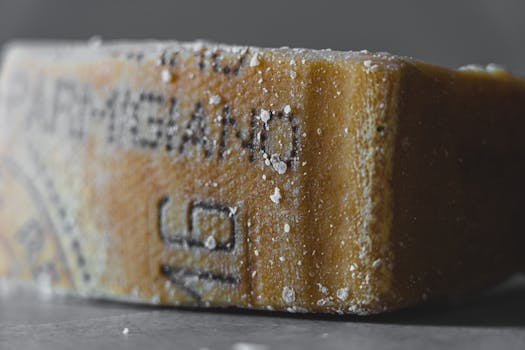
Cheese crisps (parmesan)
Rated by 11 diets
The diets react (see scores below)
Diet Ratings
Pure parmesan crisps contain <1g net carbs per serving, high fat, high protein. Ideal keto snack with no added sugars or fillers.
Contains parmesan cheese, a dairy product derived from animal milk. Directly violates vegan diet rules.
Cheese is a dairy product explicitly excluded from paleo diet. While parmesan is lower in lactose than fresh cheese, it remains a processed dairy derivative that violates core paleo principles.
Cheese is acceptable in moderation in Mediterranean diet, but crisps are processed and calorie-dense. Parmesan provides protein and calcium but lacks the plant-based emphasis core to the diet. Better as occasional garnish than snack.
Parmesan is animal-derived dairy, but processing and potential additives create debate. Most carnivore practitioners include cheese, but strict carnivores exclude all dairy citing inflammatory properties and lactose concerns.
Strict 'meat-only' carnivores following Lion Diet protocols exclude all dairy products, including cheese, arguing they are inflammatory and unnecessary when consuming nutrient-dense meat and organs.
Cheese is explicitly excluded from Whole30 (dairy is not allowed). Parmesan cheese crisps contain dairy and therefore violate the program rules.
Parmesan cheese is low-FODMAP (lactose is minimal due to aging process). Crisps are typically just cheese and salt, with no high-FODMAP additives.
High in saturated fat and sodium (typically 200-400mg per serving). Minimal nutritional value beyond fat and sodium. No fiber, limited minerals.
Pure protein and fat with minimal carbs. Can work as a fat/protein block but lacks low-glycemic carbs needed for complete Zone meal. Best used as snack component paired with vegetables and fruit.
Parmesan provides protein and some minerals, but full-fat cheese is high in saturated fat. Crisps are calorie-dense with minimal fiber or antioxidants. Acceptable in small portions.
Good protein density and low carb, but high fat and saturated fat per serving. Easy to overeat due to small portion size and addictive nature. Some RDs approve as occasional snack; others restrict due to fat-triggered nausea and bloating.
Some GLP-1 nutrition specialists recommend cheese crisps as a convenient protein snack for patients tolerating fat well; others limit them strictly due to saturated fat and risk of overconsumption triggering GI side effects.
Nutritional profile
Six traits that cut across every diet.
Fiber & Plants
How much whole-plant food and fiber it delivers.
Healthy Fats
The quality of its fats (unsaturated, omega-3).
Whole / Unprocessed
How close it is to its natural, unprocessed form.
Gut Gentle
How easy it is on digestion (low FODMAP, few irritants).
Low Glycemic
How little it spikes your blood sugar.
Protein Density
How much protein it packs per calorie.
Controversy Index
Score range: 1–9/10. Higher controversy = more disagreement between diets.
Diet-Specific Tips for Cheese crisps (parmesan)
 Keto — 9/10
- Negligible net carbs (<1g per serving)
- High fat and protein
- Whole food, unprocessed
- Satisfying texture
 Mediterranean — 5/10
- highly processed format
- high saturated fat
- lacks plant-based foods
- portion control essential
 Carnivore — 5/10
- Animal-derived (dairy)
- Processed form
- Potential additives in commercial versions
- Dairy debate within community
 Low-FODMAP — 9/10
- Aged hard cheese has negligible lactose
- No fructans, GOS, or polyols
- Verify no garlic or onion powder in seasoning
 Zone — 5/10
- High protein density
- High saturated fat
- Zero carbs
- Requires carb pairing
 Anti-Inflammatory — 5/10
- High saturated fat content
- Minimal antioxidants or polyphenols
- Protein present but limited nutritional density
- Calorie-concentrated snack
 GLP-1 Friendly — 5/10
- high protein density
- high saturated fat
- portion-control challenge
- easy to digest
- may trigger nausea if fat-sensitive