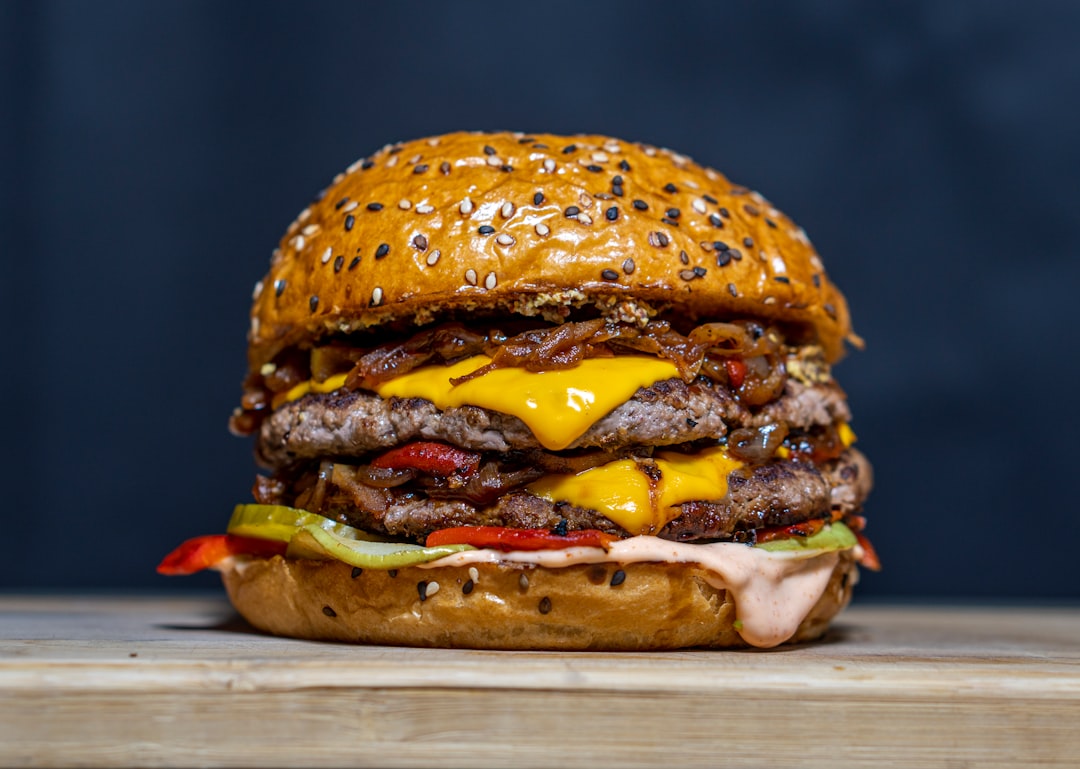
Cheeseburger (fast food)
Rated by 11 diets
How the diets react
Diet Ratings
Fast-food cheeseburgers contain 30-40g net carbs due to bun. Without bun, patty and cheese are keto-friendly (1-2g). Most keto practitioners eat bunless; with bun, it exceeds daily limits. Portion and preparation dependent.
Contains beef patty and cheese, both animal products. Bun may contain dairy or eggs. Multiple animal-derived ingredients make this incompatible with vegan diet.
Fast food cheeseburger contains multiple paleo violations: grain-based bun, processed beef patty with additives, cheese (dairy), and condiments with added sugar and seed oils. The processing and ingredient quality disqualify it entirely.
Fast food cheeseburger combines processed red meat, refined grain bun, high-fat cheese, and processed condiments. Extremely high in saturated fat, sodium, and added ingredients. Fundamentally contradicts Mediterranean diet principles.
Fast food cheeseburgers contain a bun (grain), condiments (plant-based), and processed meat with fillers and additives. While beef and cheese are animal-derived, the overall product violates carnivore principles.
Fast food cheeseburger contains multiple excluded ingredients: cheese (dairy), bun (grain), and typically added sugar in condiments and patty fillers. Multiple violations.
Beef patty and cheese are low-FODMAP, but fast-food buns contain wheat (fructans). Condiments (ketchup, mayo) may contain high-fructose corn syrup or garlic. Lettuce and tomato are low-FODMAP.
Monash rates beef and cheese as low-FODMAP, but wheat buns contain fructans. Clinical practitioners recommend gluten-free buns or removing the bun entirely.
Fast food cheeseburger is extremely high in sodium, saturated fat, trans fat, and cholesterol. Refined bread, processed cheese, and beef patty all violate DASH principles. High in calories with minimal nutritional value. One of the worst choices for DASH diet.
Fast-food cheeseburger combines high-glycemic white bread bun, processed beef patty (high saturated fat), and cheese. Macronutrient ratio heavily skewed toward carbs and saturated fat. Minimal nutritional value. Incompatible with Zone principles.
Fast food cheeseburger combines multiple inflammatory elements: processed beef patty, refined white bread bun, full-fat cheese, processed condiments with added sugars and seed oils, trans fats from industrial preparation. Minimal nutritional value. Maximally inflammatory.
Fast food cheeseburger is high fat (20-25g), high sodium, high sugar (in bun and sauce), and fried or cooked in high-fat methods. Refined grain bun provides minimal fiber. Protein is present (15-18g) but overwhelmed by poor nutrient density, high calories (500-600), and known GLP-1 side effect triggers (fried, fatty, sugary). Cheese adds saturated fat. One of the worst options for GLP-1 patients.
Controversy Index
Score range: 1–5/10. Higher controversy = more disagreement between diets.