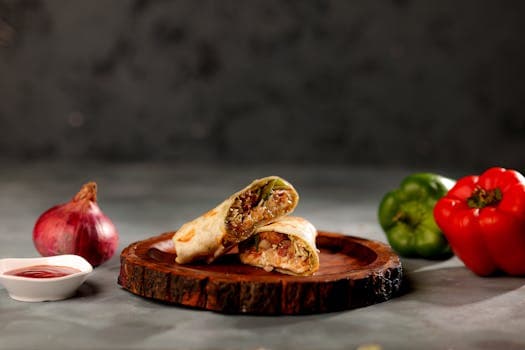
Chicken burrito bowl
Rated by 11 diets
Diet Ratings
Burrito bowls without the tortilla reduce carbs significantly, but typically contain rice and beans (30-45g net carbs). Can be modified by removing rice/beans and requesting extra guacamole and sour cream, reducing net carbs to 5-10g.
Contains chicken (poultry) and typically includes cheese and sour cream (dairy). Rice, beans, and vegetables are vegan but insufficient to offset animal products.
Without the tortilla, this is significantly better. Chicken (approved), vegetables (approved), but typically contains rice (grain) and beans (legumes). If rice and beans are removed, score rises to 8-9.
iSome paleo practitioners accept white rice in moderation post-workout, which would improve the rating to 7. Beans remain problematic across all paleo schools.
Chicken is acceptable, but burrito bowls typically contain refined rice, processed cheese, and high sodium. Can be Mediterranean-aligned if prepared with whole grains, olive oil dressing, and abundant vegetables.
iSome modern Mediterranean practitioners accept burrito bowls as adaptable dishes when customized with whole grains, legumes, and olive oil-based dressings, particularly in multicultural Mediterranean regions.
Rice base (plant), beans (plant/legume), vegetables (plant), salsa (plant), sour cream (animal). Chicken is present but rice, beans, and vegetables comprise majority. Fundamentally plant-heavy despite animal protein.
If prepared with rice, chicken, vegetables, and compliant toppings only, it could work. However, most restaurant versions include beans (legumes - excluded), cheese (dairy - excluded), sour cream (dairy - excluded), and sauces with added sugar.
iOfficial Whole30 guidelines allow rice and compliant vegetables. A truly customized bowl (no beans, cheese, sour cream, or sugary sauces) would be approvable. However, standard restaurant preparation typically violates multiple rules.
Burrito bowls contain rice (low-FODMAP), chicken (low-FODMAP), but typically include salsa, guacamole, and sour cream. Salsa often contains garlic/onion; guacamole is portion-sensitive. Without verification of salsa ingredients, this is risky.
iMonash University rates rice and chicken as low-FODMAP, but commercial salsas frequently contain garlic and onion. Clinical practitioners recommend requesting garlic/onion-free salsa or omitting it entirely.
Lean chicken protein is DASH-approved. Brown rice (if used) provides whole grain. However, cheese, sour cream, and seasoning add sodium and saturated fat. Sodium content highly dependent on preparation and toppings.
iSome clinicians rate this higher if prepared with minimal cheese, low-sodium seasoning, and brown rice; others emphasize hidden sodium in restaurant preparations.
Removes high-glycemic tortilla; grilled chicken is lean protein; brown rice (if available) is lower-glycemic than white. Beans provide fiber. Can approach Zone ratios with careful assembly: lean chicken, brown rice, black beans, salsa, avocado, minimal cheese.
Chicken is lean protein (anti-inflammatory advantage over beef). Rice, beans, and vegetables provide fiber and polyphenols. However, restaurant versions often use refined white rice, seed oil cooking, high sodium, and cheese/sour cream. Customization critical—can improve to 7-8 with brown rice, minimal dairy, extra vegetables.
iSome nutritionists view burrito bowls as acceptable meal structures; the inflammatory load depends entirely on ingredient choices and portion sizes, making blanket scoring difficult.
Chicken burrito bowls offer good protein from chicken and beans, plus fiber from beans and rice. However, they are often high in fat (cheese, sour cream, oil-based dressing, guacamole) and portion size can be excessive. The bowl format allows customization to reduce fat, making it acceptable if ordered lean (no cheese, light sour cream, skip guac).
Controversy Index
Score range: 2–6/10. Higher controversy = more disagreement between diets.