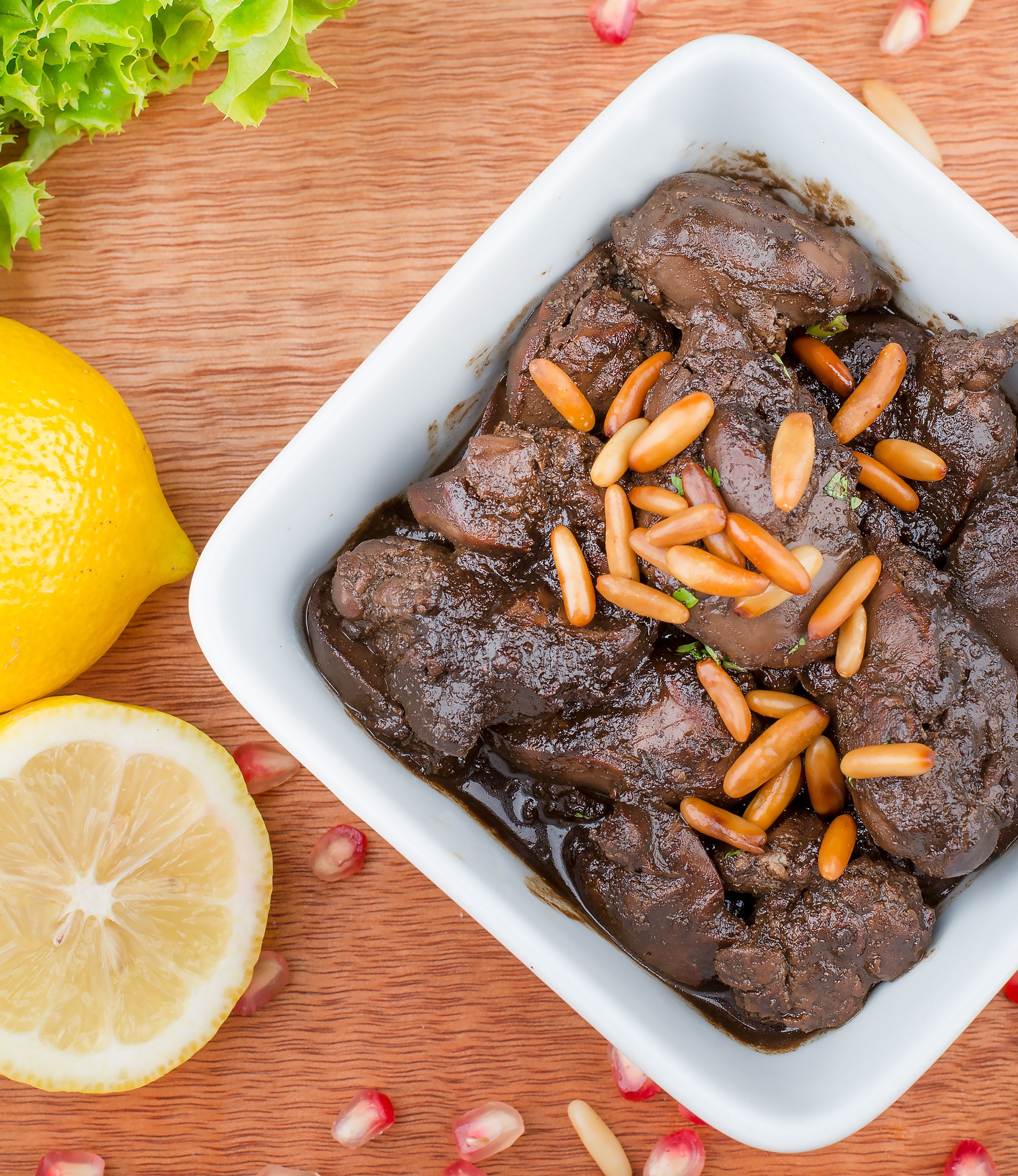
The diets react (see scores below)
Diet Ratings
Nutrient-dense organ meat but contains ~1g net carbs per 100g. Acceptable in small portions but higher carb content than muscle meat. Some strict keto practitioners limit organ meats due to micronutrient density affecting electrolyte balance.
Strict clinical keto protocols sometimes restrict organ meats due to their higher carb content and potential to disrupt ketone production in sensitive individuals, though mainstream keto embraces them.
Organ meat from poultry; animal flesh and byproducts are prohibited in vegan diets.
Organ meats, especially liver, are nutrient-dense whole foods available to hunter-gatherers. Chicken liver is rich in vitamins A, B12, folate, and iron. Unprocessed and uncooked, it is fully paleo-compliant.
Poultry offal is acceptable in Mediterranean cuisine but should be consumed occasionally. While nutrient-dense, liver is high in cholesterol and should not be a regular staple. Traditional Mediterranean regions do consume organ meats, but in small quantities.
Southern Italian and Greek traditions incorporate chicken liver into occasional dishes and pâtés, viewing it as a valuable nose-to-tail ingredient rather than something to minimize.
Organ meats are nutrient-dense and encouraged on carnivore. Chicken liver is animal-derived and micronutrient-rich. However, some practitioners prioritize ruminant organs (beef liver, lamb liver) for superior fatty acid profiles and micronutrient density.
Strict ruminant-focused carnivores (Lion Diet adherents) prefer beef or lamb liver over poultry organs due to better omega-3 to omega-6 ratios and higher micronutrient bioavailability.
Organ meats including chicken liver are whole, unprocessed animal products explicitly allowed on Whole30. Rich in nutrients and fully compliant.
Chicken liver is a protein-based organ meat with no significant FODMAP content. Monash University rates plain cooked poultry organs as low-FODMAP at standard portions.
Lean poultry product rich in iron, B12, and folate. However, moderately high in cholesterol (270mg per 3oz) and saturated fat (1.3g per oz). NIH DASH guidelines favor lean poultry but don't specifically address organ meats. Updated clinical interpretation suggests limiting due to cholesterol content despite nutrient density.
NIH DASH guidelines emphasize poultry as lean protein; some clinicians argue organ meats' micronutrient density justifies occasional use. Others prioritize cholesterol restriction.
Excellent lean protein source (25g per 3.5oz) and rich in micronutrients. However, liver is higher in cholesterol and saturated fat than chicken breast. Zone-compatible but requires pairing with monounsaturated fats rather than additional fat sources.
Organ meats are nutrient-dense with B vitamins and iron, but chicken liver is higher in cholesterol and arachidonic acid (omega-6 precursor). Acceptable occasionally but not a primary protein source for anti-inflammatory diet.
Some functional medicine practitioners (including Weil-aligned approaches) value organ meats for micronutrient density and recommend small portions (1-2 oz) as part of varied protein intake.
Chicken liver is nutrient-dense (high in protein ~26g per 3oz, iron, B vitamins, choline) and relatively lean compared to other organ meats. However, it has moderate fat (~5g per 3oz) and a dense, rich texture that may be difficult to digest on GLP-1. Some RDs recommend it as an occasional nutrient-dense option; others suggest avoiding organ meats due to digestibility concerns and potential for triggering nausea.
Some GLP-1 nutrition specialists view organ meats as excellent nutrient density per calorie and recommend them 1-2x weekly; others caution that the rich, dense texture and higher purine content may worsen GI distress in sensitive patients.
Nutritional profile
Six traits that cut across every diet.
Fiber & Plants
How much whole-plant food and fiber it delivers.
Healthy Fats
The quality of its fats (unsaturated, omega-3).
Whole / Unprocessed
How close it is to its natural, unprocessed form.
Gut Gentle
How easy it is on digestion (low FODMAP, few irritants).
Low Glycemic
How little it spikes your blood sugar.
Protein Density
How much protein it packs per calorie.
Controversy Index
Score range: 1–9/10. Higher controversy = more disagreement between diets.
Diet-Specific Tips for Chicken liver
 Keto — 6/10
- 1g net carbs per 100g
- High in vitamins A and B12
- Moderate fat content
- Portion control recommended
 Paleo — 9/10
- Nutrient-dense organ meat
- Available to Paleolithic humans
- Rich in micronutrients
- Unprocessed whole food
 Mediterranean — 5/10
- Poultry-based (acceptable category)
- High in cholesterol
- Nutrient-dense
- Traditional in some Mediterranean regions
- Should be occasional, not regular
 Carnivore — 8/10
- Organ meat (high micronutrient density)
- Poultry source (lower priority than ruminant)
- Minimal processing required
 Whole30 — 9/10
- Whole animal product
- No processing or additives
- Nutrient-dense
 Low-FODMAP — 8/10
- Organ meat, protein-based
- No fermentable carbohydrates
- No polyols or excess fructose
 DASH — 5/10
- Excellent source of iron and B vitamins
- Moderate cholesterol content
- Low sodium if unseasoned
- Poultry-based (favorable category)
 Zone — 5/10
- Lean protein-dense
- Higher saturated fat than breast meat
- Micronutrient-rich (iron, B12)
- Requires careful fat pairing
 Anti-Inflammatory — 5/10
- high arachidonic acid
- nutrient-dense
- high cholesterol
- moderate omega-6
 GLP-1 Friendly — 5/10
- high protein and micronutrients
- moderate fat content
- dense texture may challenge digestion
- individual tolerance varies