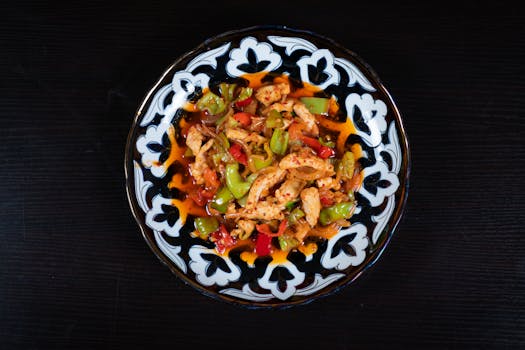
The diets react (see scores below)
Diet Ratings
Chicken stir-fry carb content depends heavily on sauce (soy sauce, cornstarch, sugar). Vegetable selection matters significantly. Typically 3-8g net carbs per serving with careful preparation. Requires sauce verification.
Some keto practitioners avoid all stir-fry sauces due to hidden sugars and cornstarch; others accept low-carb soy sauce versions with non-starchy vegetables.
Contains chicken (poultry), which is explicitly excluded from vegan diet. Primary ingredient is animal flesh.
Chicken and vegetables are paleo-approved, but stir-fries typically use seed oils (canola, soybean) or soy sauce (legume-derived, processed). Paleo-compliant if made with approved fats and no soy.
Mainstream paleo accepts stir-fries made with coconut oil, avocado oil, or ghee and tamari (if tolerated), while strict paleo avoids soy entirely and prefers animal fats.
Poultry is acceptable in moderation. Stir-fry method with vegetables is positive, but typically uses refined oils instead of olive oil and may contain soy sauce with high sodium. Mediterranean preparation would use olive oil.
Some practitioners accept stir-fry as a healthy cooking method if prepared with extra virgin olive oil, fresh vegetables, and minimal sodium additions.
Contains vegetables (plant-derived), soy sauce (plant-derived fermented soy), and plant-based cooking oils. Multiple plant components violate carnivore diet.
Chicken stir-fry is compliant if made with compliant ingredients (chicken, vegetables, compliant oil, compliant sauce). However, most restaurant and packaged versions contain soy sauce (contains soy, excluded), added sugar, or cornstarch. Homemade with coconut aminos and verified ingredients is compliant.
Official Whole30 allows stir-fries made with compliant ingredients. Community concern centers on hidden soy sauce and sugar in restaurant versions. Homemade versions with coconut aminos are unambiguously compliant.
Depends on vegetables and sauce. Chicken is low-FODMAP, but stir-fries often contain onion, garlic, and high-FODMAP vegetables (mushrooms, snap peas). Low-FODMAP version possible with approved vegetables (carrots, bell peppers, green beans, bok choy) and garlic-infused oil.
Monash University rates individual ingredients; most restaurant stir-fries exceed low-FODMAP limits. Clinical practitioners recommend home preparation with controlled vegetable selection.
Excellent DASH meal when prepared correctly: lean chicken protein, abundant vegetables (potassium, fiber, antioxidants), minimal oil. Low sodium if soy sauce is reduced or low-sodium soy used. Rich in key DASH nutrients.
Lean chicken protein with abundant low-glycemic vegetables. If prepared with olive oil or minimal oil and low-sodium soy sauce, fits Zone perfectly. Excellent anti-inflammatory profile with colorful vegetables.
Excellent anti-inflammatory meal when prepared with extra virgin olive oil or minimal oil. Combines lean protein, colorful vegetables, ginger, garlic, and anti-inflammatory spices. Quick cooking preserves nutrients.
Lean chicken breast (25-30g protein per 3oz), vegetables (fiber, water content, nutrients), minimal oil if prepared well. Easy to digest, portion-friendly, nutrient-dense. Excellent GLP-1 meal if made with light oil and low-sodium sauce.
Nutritional profile
Six traits that cut across every diet.
Fiber & Plants
How much whole-plant food and fiber it delivers.
Healthy Fats
The quality of its fats (unsaturated, omega-3).
Whole / Unprocessed
How close it is to its natural, unprocessed form.
Gut Gentle
How easy it is on digestion (low FODMAP, few irritants).
Low Glycemic
How little it spikes your blood sugar.
Protein Density
How much protein it packs per calorie.
Controversy Index
Score range: 1–8/10. Higher controversy = more disagreement between diets.
Diet-Specific Tips for Chicken stir-fry
 Keto — 6/10
- Sauce composition critical
- Vegetable selection matters
- Potential cornstarch/sugar
 Paleo — 6/10
- cooking oil critical
- soy sauce problematic
- vegetables approved
- chicken approved
 Mediterranean — 7/10
- poultry acceptable
- vegetable-based
- oil type critical
- sodium concerns
 Whole30 — 6/10
- Sauce ingredient critical
- Soy sauce is excluded
- Added sugar often present
- Homemade with coconut aminos compliant
 Low-FODMAP — 6/10
- Vegetable selection (onion, garlic common)
- Sauce composition (soy sauce typically low-FODMAP)
- Cooking oil (garlic-infused oil acceptable)
- Portion of high-FODMAP vegetables
 DASH — 8/10
- Lean protein
- High vegetable content
- Potassium-rich
- Fiber from vegetables
- Sodium control needed
 Zone — 7/10
- lean protein
- low-glycemic vegetables
- minimal oil preparation
- anti-inflammatory
- colorful vegetables
 Anti-Inflammatory — 8/10
- lean protein
- colorful vegetables
- anti-inflammatory spices
- minimal oil preparation
 GLP-1 Friendly — 7/10
- high protein density
- high fiber (vegetables)
- low fat if prepared with minimal oil
- easy to digest
- nutrient-dense per calorie