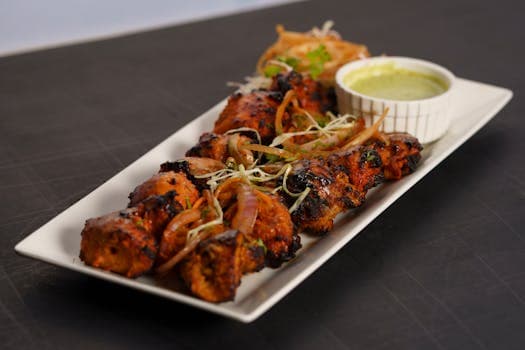
Chicken tikka masala
Rated by 11 diets
Diet Ratings
Chicken tikka masala has excellent protein and fat from chicken and cream sauce, but traditional recipes contain added sugar and tomato-based sauce with moderate carbs. A typical serving (1.5 cups) contains 8-15g net carbs depending on preparation.
iSome keto practitioners avoid this entirely due to sugar in commercial sauces and tomato paste carbs, while others accept it as a moderate-carb meal if made with minimal added sugar.
Contains chicken (poultry) and cream/yogurt (dairy). Both are animal products prohibited in vegan diet. Sauce base is inherently non-vegan.
Chicken is excellent, spices are approved, but the sauce typically contains cream (dairy) and tomato-based ingredients with added sugar. The dairy exclusion is debated in paleo circles.
iPrimal Diet (Mark Sisson) accepts dairy including cream, which would elevate this to 7-8. Strict paleo (Cordain) avoids dairy entirely, keeping it at 4-5.
Prepared with heavy cream, coconut milk, and sugar-laden sauce. While chicken is acceptable, the cooking method and sauce composition contradict Mediterranean principles emphasizing olive oil and minimal added sugars.
While chicken is animal-based, tikka masala sauce contains tomatoes (plant), cream (acceptable), and spice blends with plant-derived additives. Served with rice or naan (plants). Plant content and processed additives disqualify this.
The sauce is typically made with yogurt or cream (dairy - excluded) and contains added sugar. Tikka paste may contain additives. Even if made with coconut milk, added sugar and spice blends with potential MSG are common.
Tikka masala sauce is made with garlic, onion, and ginger as foundational aromatics. These are high-FODMAP. Cream and tomato base do not offset the garlic/onion content. Restaurant versions almost always contain these ingredients.
Cream-based sauce high in saturated fat. Sodium elevated from spice blends and salt. Added sugar in sauce. While chicken is lean, preparation method and sauce composition violate DASH principles.
Grilled chicken is excellent lean protein; yogurt-based sauce provides some fat. However, cream and coconut milk add saturated fat, and sauce often contains added sugar. Served with white rice (high-glycemic). Requires brown rice substitution and portion control.
Marinade contains anti-inflammatory spices (turmeric, ginger, cumin, coriander). Chicken is lean protein. However, creamy sauce typically uses full-fat yogurt or cream with added sugar. Restaurant versions often contain inflammatory seed oils and excess sodium. Depends heavily on preparation method.
iDr. Weil's pyramid includes turmeric-based dishes favorably; some experts prioritize the spice benefits and argue yogurt's probiotics offset cream concerns. Home-made versions with Greek yogurt and minimal sugar can score 7-8.
Protein-rich (chicken) but typically made with cream-based sauce (high fat, 10-15g fat per serving). Spices may trigger reflux in sensitive patients. Digestibility depends on sauce richness. Acceptable if made with low-fat yogurt base and eaten in small portions.
iSome GLP-1 nutrition experts recommend traditional tikka masala in moderation if made with Greek yogurt instead of cream, as the protein benefit outweighs fat concerns; others advise avoiding due to fat and spice combination triggering nausea.
Controversy Index
Score range: 2–6/10. Higher controversy = more disagreement between diets.