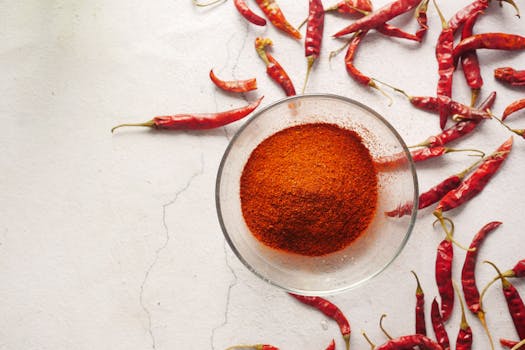
The diets react (see scores below)
Diet Ratings
Pure chili powder contains ~1g net carbs per tablespoon. Typical serving (1 tsp) = ~0.3g net carbs, which is negligible. However, many commercial chili powders contain added sugars (2-3g per tablespoon). Verify ingredient list for pure vs. sweetened versions.
Some keto practitioners avoid all commercial chili powder due to inconsistent sugar content; others use pure versions without concern.
Ground dried chili peppers, often blended with spices. Pure plant-based when no animal-derived additives are present. Check label for potential non-vegan additives.
Pure chili powder (ground dried chili peppers) is paleo-compliant, but commercial chili powder often contains additives, anti-caking agents, salt, and sometimes sugar. Quality varies significantly by brand.
Strict paleo practitioners accept pure chili powder without additives as fully approved (score 9), while others caution against commercial blends due to processing and added ingredients.
Pure chili powder (ground dried peppers) is acceptable and used in Mediterranean cooking. However, many commercial chili powders contain added sugars, salt, and fillers. Quality matters significantly. Pure ground chili peppers align with Mediterranean principles.
Some Mediterranean diet sources distinguish between pure ground chili peppers (approve) and commercial chili powder blends with additives (avoid), making the verdict dependent on product quality and ingredients.
Spice blend derived from dried chili peppers (plant). Violates carnivore exclusion of all plant foods and plant-based seasonings.
Pure chili powder (ground chili peppers only) is compliant. However, many commercial chili powders contain added sugar, anti-caking agents, or other additives. Check ingredient label for purity.
Melissa Urban recommends checking labels carefully. Some chili powders contain added sugar or fillers that would make them non-compliant. Pure chili powder is approved, but most commercial blends should be verified.
Pure chili powder is low-FODMAP, but commercial blends often contain garlic, onion, or cumin. Monash rates pure chili as safe; however, ingredient verification is essential for store-bought versions.
Monash University rates pure chili powder as low-FODMAP, but clinical practitioners note that commercial blends frequently contain hidden FODMAP ingredients like garlic powder or onion powder.
Pure spice is acceptable, but commercial blends may contain added sodium and salt. Check label for sodium content. Pure chili powder has minimal sodium and supports DASH flavor goals.
Chili powder (pure, not blended with sugar/fillers) is a spice with negligible carbs and calories per serving. Capsaicin provides anti-inflammatory benefits. No glycemic impact. Ideal Zone seasoning. Verify pure chili powder without added sugars.
Capsaicin in chili peppers has strong anti-inflammatory and analgesic properties. Rich in antioxidants and polyphenols. Explicitly recommended in Weil's anti-inflammatory pyramid. Pure chili powder without additives is ideal.
Spice blend with negligible calories and no fat, but spiciness may trigger reflux or nausea in some GLP-1 patients, especially on empty stomach or with sensitive GI tracts. Tolerance varies significantly by individual.
Some GLP-1 nutrition experts consider chili powder acceptable for most patients who tolerate spice well, while others recommend avoiding all spicy condiments during the first 4-6 weeks of GLP-1 therapy due to heightened reflux sensitivity.
Nutritional profile
Six traits that cut across every diet.
Fiber & Plants
How much whole-plant food and fiber it delivers.
Healthy Fats
The quality of its fats (unsaturated, omega-3).
Whole / Unprocessed
How close it is to its natural, unprocessed form.
Gut Gentle
How easy it is on digestion (low FODMAP, few irritants).
Low Glycemic
How little it spikes your blood sugar.
Protein Density
How much protein it packs per calorie.
Controversy Index
Score range: 1–8/10. Higher controversy = more disagreement between diets.
Diet-Specific Tips for Chili powder
 Keto — 6/10
- Many brands contain added sugars
- Pure versions are keto-friendly
- Portion size is small
- Read labels carefully
 Vegan — 8/10
- Plant-based peppers
- Usually whole food
- Verify no animal-derived additives
 Paleo — 6/10
- Often contains additives
- Anti-caking agents common
- Added salt possible
- Brand-dependent quality
- Pure form is paleo-compliant
 Mediterranean — 5/10
- product quality dependent
- commercial versions often contain additives
- pure form acceptable
- added sugars common in blends
 Whole30 — 6/10
- Must be pure chili pepper with no additives
- Many brands contain added sugar
- Anti-caking agents may be present
- Label verification required
 Low-FODMAP — 5/10
- Pure chili is low-FODMAP
- Commercial blends often contain garlic and onion
- Ingredient label verification required
 DASH — 6/10
- Variable sodium depending on brand
- Check ingredient label
- Pure form is acceptable
- May contain added salt in blends
 Zone — 8/10
- Negligible carbohydrate content (pure form)
- Capsaicin anti-inflammatory properties
- No glycemic load
- Verify no added sugars in commercial blends
 Anti-Inflammatory — 8/10
- capsaicin anti-inflammatory effects
- high antioxidant content
- polyphenol rich
- Weil-endorsed ingredient
 GLP-1 Friendly — 5/10
- spice-triggered reflux risk
- individual tolerance varies
- zero calories
- no fat