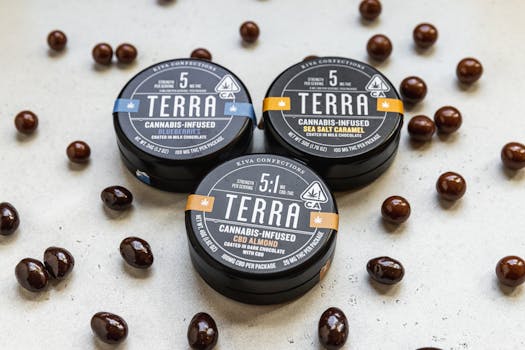
Chocolate-covered almonds
Rated by 11 diets
The diets react (see scores below)
Diet Ratings
Chocolate coating adds 2-5g net carbs per ounce depending on cocoa percentage and sweetener. Dark chocolate (85%+) with sugar alcohols is more keto-friendly. Portion control essential due to carb density of coating.
Strict keto advocates prefer plain almonds or 100% cocoa chocolate separately, avoiding any added sweeteners and potential insulin response from chocolate compounds.
Almonds are vegan, but chocolate coating often contains dairy milk or whey. Some brands use vegan chocolate. Requires ingredient verification.
Some vegans rate dark chocolate-covered almonds as approvable (8+) assuming dark chocolate is dairy-free without checking labels.
Almonds are paleo-approved, but chocolate coating adds processing and sugar. Dark chocolate (>70% cacao) is more acceptable than milk chocolate. Portion control is important due to calorie density and sugar content.
Strict paleo excludes all processed chocolate products. Some paleo practitioners accept dark chocolate (>70% cacao) as a rare treat, but chocolate-covered nuts are considered processed snacks.
Almonds are Mediterranean staple nuts with healthy fats, but chocolate coating adds sugar and processing. Acceptable in small portions if chocolate is dark (70%+ cacao) with minimal added sugar, but plain almonds are preferable.
Some Mediterranean interpretations allow small amounts of dark chocolate as acceptable indulgence. The combination of nuts and dark chocolate could be viewed as acceptable if portions are controlled and sugar minimal.
This product contains almonds (plant-derived nuts) and chocolate (cacao, plant-derived). Both primary ingredients are plant-based, making it fundamentally incompatible with carnivore diet principles.
Chocolate-covered almonds contain added sugar in the chocolate coating. Even dark chocolate typically contains added sugar. Additionally, this recreates a candy/dessert, violating the junk food recreation rule.
Almonds are low-FODMAP and chocolate is low-FODMAP, but the combination often includes added sugars and milk solids. Dark chocolate (70%+) with almonds is safer. Portion control is important due to sugar and fat content.
Monash rates almonds and dark chocolate separately as low-FODMAP; however, commercial chocolate-covered almonds often contain excess sugar and milk powder. Homemade or high-cocoa versions are preferable.
Almonds are DASH-approved (rich in magnesium, fiber, and unsaturated fat), but chocolate coating adds sugar and saturated fat. Portion control is critical. A small handful (1 ounce) is acceptable; larger portions exceed added sugar and calorie recommendations. Plain almonds are preferred.
NIH DASH guidelines prioritize nuts without added sugars; updated clinical interpretation permits small amounts of chocolate-covered nuts as occasional treats if total added sugar intake remains controlled.
Almonds are excellent monounsaturated fat source, but chocolate coating adds sugar. Portion must be strictly controlled: approximately 10-12 almonds (1 fat block + 1 carb block). Dark chocolate (70%+) preferable. Can fit Zone if measured carefully.
Almonds provide omega-3s, vitamin E, magnesium, and fiber. Dark chocolate (if >70% cacao) adds polyphenols and antioxidants. Combination provides anti-inflammatory benefits. Portion control important due to caloric density, but nutrient profile is excellent.
Almonds provide good protein (6g per ounce) and healthy fats, but chocolate coating adds sugar and fat. Total fat per serving is moderate-to-high (14-16g per ounce), which may worsen nausea/bloating. Portion control essential. Better as occasional treat than regular snack.
Nutritional profile
Six traits that cut across every diet.
Fiber & Plants
How much whole-plant food and fiber it delivers.
Healthy Fats
The quality of its fats (unsaturated, omega-3).
Whole / Unprocessed
How close it is to its natural, unprocessed form.
Gut Gentle
How easy it is on digestion (low FODMAP, few irritants).
Low Glycemic
How little it spikes your blood sugar.
Protein Density
How much protein it packs per calorie.
Controversy Index
Score range: 1–8/10. Higher controversy = more disagreement between diets.
Diet-Specific Tips for Chocolate-covered almonds
 Keto — 5/10
- 2-5g net carbs per ounce (coating dependent)
- Cocoa percentage matters (85%+ preferred)
- Sugar alcohols in sweetened versions
- Portion control required
 Vegan — 6/10
- Dairy in most chocolate coatings
- Whey common in milk chocolate
- Vegan chocolate options exist
- Label-dependent
 Paleo — 5/10
- chocolate processing
- added sugars
- cacao percentage
- calorie density
 Mediterranean — 5/10
- nuts are staple
- chocolate adds sugar
- processing level matters
- portion control essential
 Low-FODMAP — 6/10
- Almonds are low-FODMAP
- Dark chocolate is low-FODMAP
- Added sugars and milk solids in commercial products
- Portion size matters for sugar load
 DASH — 5/10
- Added sugar from chocolate coating
- Almonds provide magnesium and fiber
- Calorie-dense
- Saturated fat from chocolate
 Zone — 6/10
- Almond fat quality high
- Chocolate sugar content variable
- Portion sensitivity critical
- Dark chocolate preferable
- Polyphenol benefit from cocoa
 Anti-Inflammatory — 8/10
- omega-3 fatty acids from almonds
- polyphenols from dark chocolate
- vitamin E and magnesium
- fiber content
- caloric density requires moderation
 GLP-1 Friendly — 5/10
- good protein
- high fat
- added sugar
- portion-critical
- nausea risk