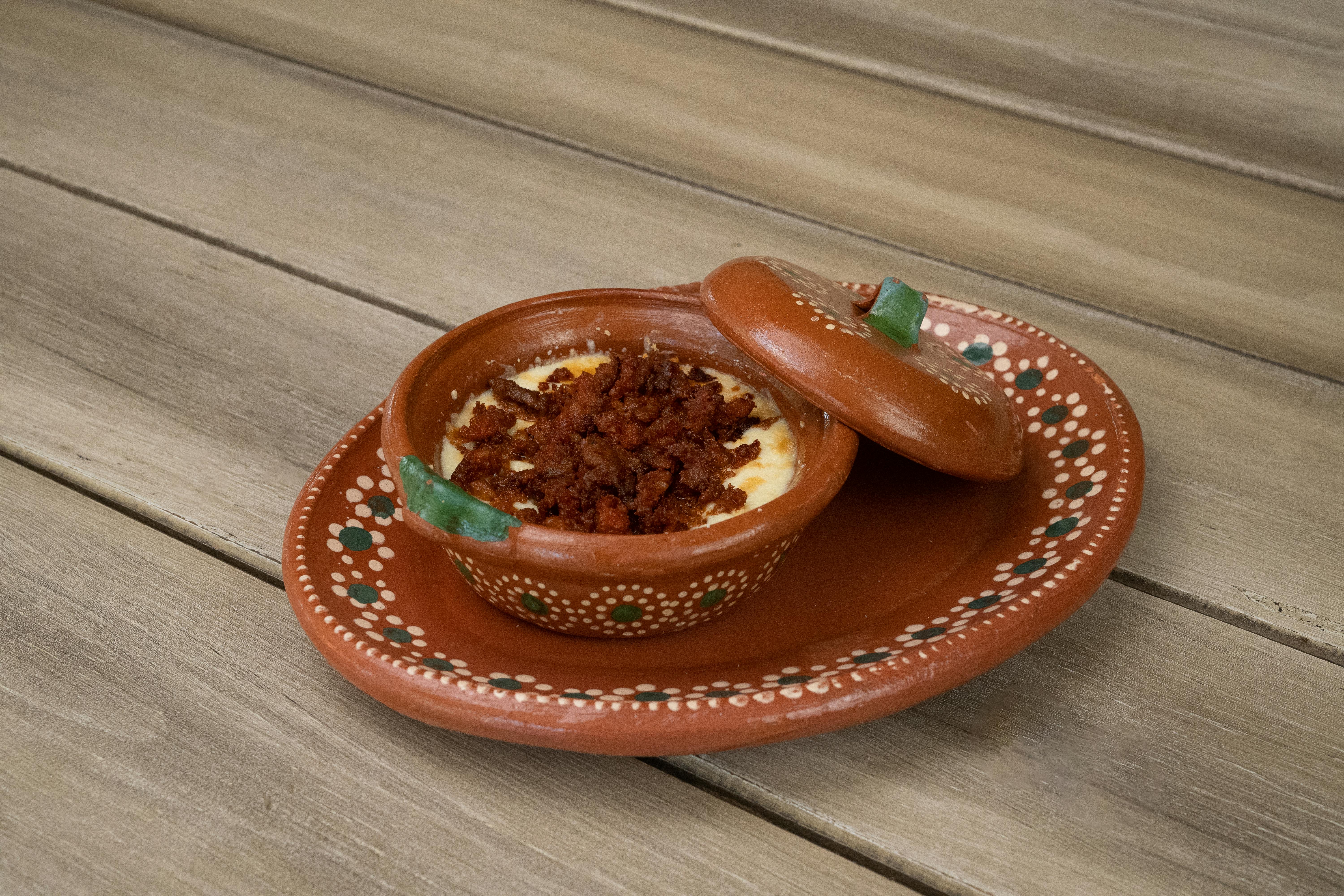
The diets react (see scores below)
Diet Ratings
Mexican chorizo is high in fat and protein but often contains added sugars, fillers, and carbohydrates (typically 2-4g net carbs per 100g depending on brand). Quality varies significantly; some artisanal versions are cleaner than mass-produced options. Requires careful label inspection.
Strict keto practitioners avoid most commercial chorizo due to hidden sugars and nitrates, preferring homemade or verified sugar-free versions. Some lazy keto followers consume standard chorizo without concern for minor carb additions.
Pork-based sausage. Contains meat and animal fat. Clearly violates vegan diet rules.
Chorizo is a processed meat product made from pork. While the base ingredient (pork) is paleo-approved, commercial chorizo typically contains added salt, spices, and sometimes fillers or preservatives. Quality matters significantly.
Strict paleo practitioners avoid all processed meats due to additives and salt content. However, some paleo advocates accept minimally processed chorizo made with just meat and spices, particularly if sourced from quality producers.
Highly processed cured meat with excessive saturated fat, sodium, and additives. Not part of traditional Mediterranean diet and contradicts red meat guidelines.
Mexican chorizo is pork-based but typically contains added spices (paprika, garlic, chili), sugar, and sometimes fillers or plant-based additives. While the base is animal-derived, additives and processing lower its rating. Quality varies significantly by brand.
Strict carnivore practitioners avoid chorizo due to spice content and potential sugar/additives, preferring plain ground pork or whole cuts. Some practitioners accept it if ingredients are verified as pure meat and salt only.
Chorizo can be Whole30 compliant if made with only meat and spices, but many commercial varieties contain added sugars, soy, or other non-compliant ingredients. Requires careful label verification.
Some strict Whole30 followers avoid processed sausages entirely due to potential hidden additives and processing methods, even if ingredient lists appear compliant. Official Whole30 allows compliant sausages but emphasizes checking labels.
Chorizo is typically low-FODMAP as a meat product, but many commercial varieties contain garlic and onion as hidden ingredients, which are high-FODMAP. Ingredient verification is essential.
Monash University rates plain chorizo as low-FODMAP, but clinical practitioners recommend checking labels carefully as garlic and onion are common additives in Mexican chorizo formulations.
Extremely high in sodium (400-600mg per ounce), saturated fat, and processed meat. Directly contradicts DASH sodium limits and cardiovascular guidelines.
High in saturated fat (~23g per 100g) and heavily processed. Contains added sugars and spices that increase inflammatory markers. Fat profile violates Zone's monounsaturated fat preference. Excessive sodium and nitrates.
Processed pork sausage high in saturated fat, sodium, and inflammatory additives (nitrates, nitrites). Excessive omega-6 content. Lacks anti-inflammatory compounds. Strong association with increased inflammation markers.
High in saturated fat (21g per 100g), high in sodium, often spicy (triggers reflux/nausea on GLP-1). While it contains protein (24g per 100g), the fat content significantly worsens GLP-1 side effects. Fried or heavily processed versions are especially problematic.
Nutritional profile
Six traits that cut across every diet.
Fiber & Plants
How much whole-plant food and fiber it delivers.
Healthy Fats
The quality of its fats (unsaturated, omega-3).
Whole / Unprocessed
How close it is to its natural, unprocessed form.
Gut Gentle
How easy it is on digestion (low FODMAP, few irritants).
Low Glycemic
How little it spikes your blood sugar.
Protein Density
How much protein it packs per calorie.
Controversy Index
Score range: 1–5/10. Higher controversy = more disagreement between diets.
Diet-Specific Tips for Chorizo (Mexican)
 Keto — 5/10
- Variable sugar content by brand
- High fat content (good)
- Potential fillers and additives
- 2-4g net carbs per 100g typical
- Requires label verification
 Paleo — 5/10
- processed meat
- added salt
- potential additives
- quality-dependent
- pork base is paleo
 Carnivore — 4/10
- Pork-based (animal-derived)
- Contains added spices
- Potential sugar content
- Variable ingredient quality
- Processing method matters
 Whole30 — 5/10
- Requires label verification
- Often contains added sugar
- May contain soy or other additives
- Processing method varies by brand
 Low-FODMAP — 5/10
- Meat base is low-FODMAP
- Garlic and onion are common hidden ingredients
- Brand and formulation variability
- Requires ingredient label verification