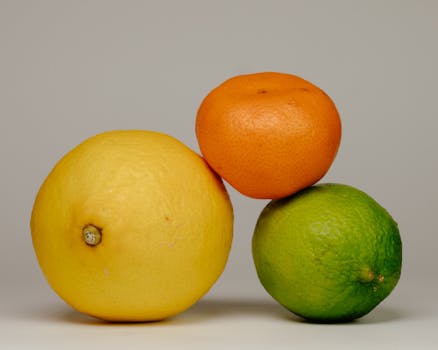
The diets react (see scores below)
Diet Ratings
Clementines contain approximately 8-9g net carbs per medium fruit. While lower in carbs than larger citrus fruits, they still exceed reasonable keto portions and are incompatible with strict carb limits.
Clementines are whole plant fruits with no animal products or derivatives. Unprocessed and nutritious.
Whole fruit, unprocessed, available to hunter-gatherers. Natural sugars acceptable in paleo diet. Nutrient-dense with fiber.
Fresh whole fruit with fiber, vitamin C, and natural sugars. Aligns perfectly with Mediterranean emphasis on abundant fruit consumption multiple times daily.
Clementines are plant-derived fruit with high sugar content. Carnivore diet excludes all fruits and plant foods. No exceptions, even for whole fruits.
Clementines are whole, unprocessed fruit with no excluded ingredients. Fully compliant with Whole30.
Clementines are low-FODMAP at 1 medium fruit (88g) per Monash, but portion control is critical. Larger servings or multiple fruits increase fructose load. Citrus fruits are dose-dependent.
Monash University specifies 1 medium clementine (88g) as low-FODMAP. Clinical practitioners note that 2 clementines may exceed fructose thresholds for sensitive individuals. Serving size cutoff is strict.
Whole fruit with natural sugars balanced by fiber, rich in vitamin C and potassium. Low sodium, supports satiety. Core DASH fruit choice with excellent nutrient profile.
Small citrus fruit with ~9g carbs per fruit. Fits within 2 fruit servings daily but higher glycemic than berries. Acceptable occasional choice but Zone prioritizes berries and lower-glycemic fruits. Portion: 1 medium fruit = 1 carb block.
Citrus fruit with vitamin C, flavonoids, and polyphenols. Whole fruit provides fiber and natural sugars without added sweeteners. Fits anti-inflammatory fruit category well.
Clementines are small, portion-friendly citrus fruits with 9g natural sugar, 1.6g fiber, and high water content (87%). They satisfy sweet cravings without added sugar, provide vitamin C, and are easy to digest. The small size naturally limits portion creep. Excellent fruit choice for GLP-1 patients.
Nutritional profile
Six traits that cut across every diet.
Fiber & Plants
How much whole-plant food and fiber it delivers.
Healthy Fats
The quality of its fats (unsaturated, omega-3).
Whole / Unprocessed
How close it is to its natural, unprocessed form.
Gut Gentle
How easy it is on digestion (low FODMAP, few irritants).
Low Glycemic
How little it spikes your blood sugar.
Protein Density
How much protein it packs per calorie.
Controversy Index
Score range: 1–9/10. Higher controversy = more disagreement between diets.
Diet-Specific Tips for Clementine
 Vegan — 9/10
- Whole plant food
- Fruit
- No processing
 Paleo — 8/10
- whole fruit
- unprocessed
- natural sugars
- nutrient-dense
 Mediterranean — 9/10
- whole fruit
- fiber-rich
- natural sugars with fiber
- minimal processing
 Whole30 — 9/10
- Whole fruit
- No processing
- No excluded ingredients
- Natural sugars only
 Low-FODMAP — 5/10
- Excess fructose in larger portions
- Safe portion: 1 medium fruit
- Multiple fruits exceed low-FODMAP threshold
- Dose-dependent FODMAP status
 DASH — 8/10
- Whole fruit
- High fiber
- High vitamin C
- High potassium
- Low sodium
- Natural sugars with fiber balance
 Zone — 6/10
- Moderate glycemic index
- Vitamin C source
- Fruit serving
- Higher carb than berries
 Anti-Inflammatory — 8/10
- vitamin C
- flavonoids
- polyphenols
- fiber
- whole fruit
 GLP-1 Friendly — 7/10
- portion-friendly size
- high water content
- natural sweetness
- moderate fiber
- easy to digest
- vitamin C-rich