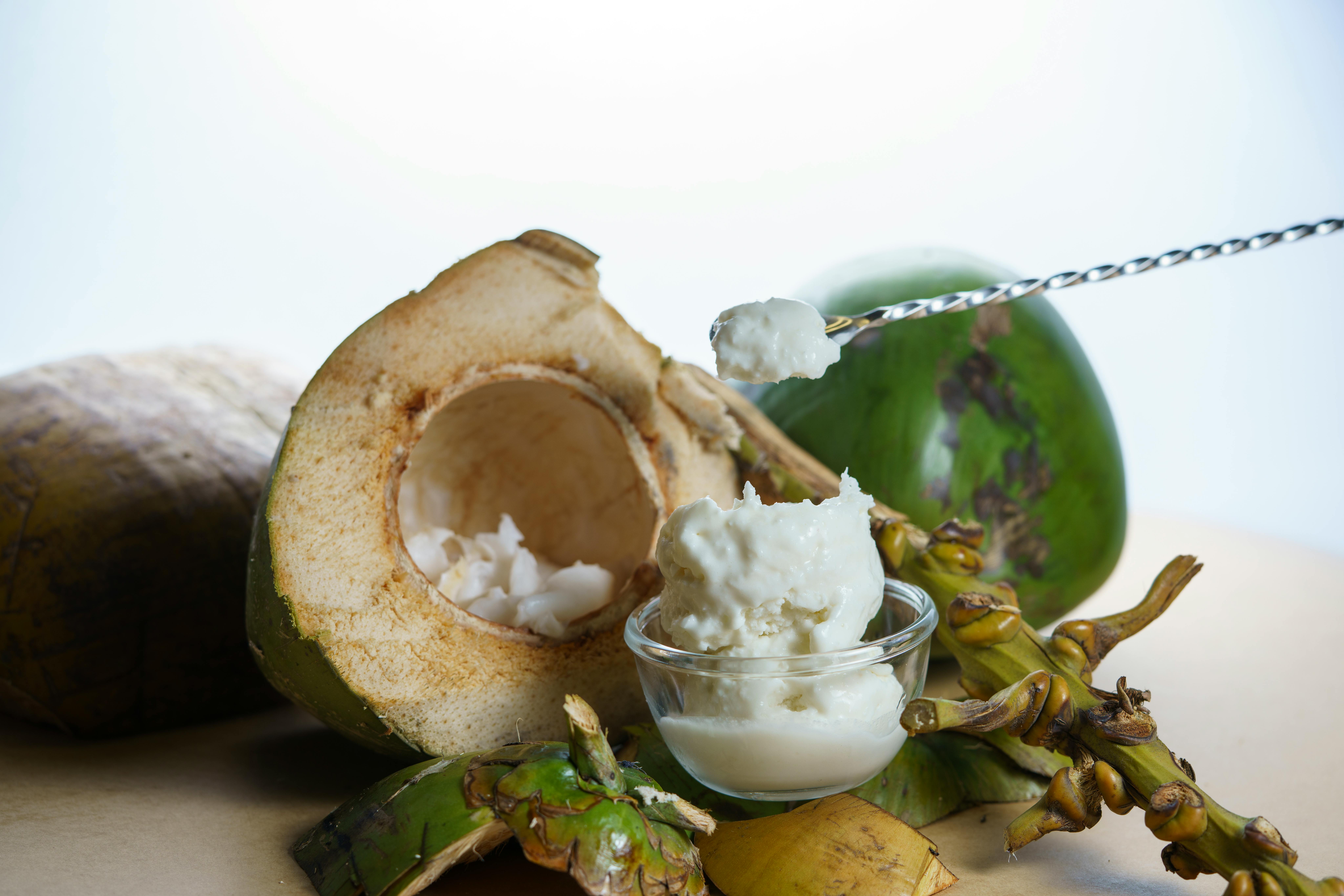
The diets react (see scores below)
Diet Ratings
Full-fat coconut cream contains ~2g net carbs per 100g with 35g fat and 3g protein. Excellent fat source for keto macros. Minimal carb impact even in generous portions. Ideal for sauces and coffee.
Whole plant food with minimal processing (coconut + water). Nutrient-dense, versatile, fully plant-based. Excellent dairy alternative.
Coconut cream is the thick, fatty portion of coconut milk, derived from whole coconuts with minimal processing (pressing/extraction). No additives in pure versions. Excellent paleo fat source.
Processed coconut product high in saturated fat. Mediterranean diet prioritizes extra virgin olive oil as primary fat source. Coconut cream acceptable occasionally in cooking but not a staple. Minimal processing but contradicts fat source principles.
Some modern Mediterranean diet practitioners accept coconut cream in moderation as alternative fat source; traditionalists strictly prioritize olive oil and limit coconut products.
Coconut cream is plant-derived (coconut fruit). While less processed than some alternatives, it remains a plant product explicitly excluded from carnivore diet. No animal equivalent needed.
Coconut cream is a whole, unprocessed natural fat derived from coconuts. It contains no excluded ingredients and is widely endorsed by Whole30 as a compliant cooking ingredient and addition to meals.
Coconut cream is Monash-tested and rated low-FODMAP at generous servings (>3 tablespoons). Pure coconut cream contains no fermentable carbohydrates—only fat and minimal carbohydrate.
Very high in saturated fat from coconut oil (tropical oil explicitly limited in DASH). Minimal nutritional benefit beyond calories. Contradicts DASH fat recommendations.
High saturated fat (~14g per 2 tbsp) with minimal protein (~1g) and carbs (~1g). Usable as fat block but saturated fat-heavy. Dr. Sears prefers monounsaturated fats. Small portions acceptable in curries or smoothies; not primary fat source.
High in saturated fat (lauric acid). While some research suggests coconut's medium-chain triglycerides may have neutral effects, anti-inflammatory diet limits saturated fat. Acceptable in small amounts for flavor, but not a primary fat source.
Some practitioners argue coconut's lauric acid and MCT content provide metabolic benefits and are less inflammatory than other saturated fats. However, mainstream anti-inflammatory guidance (Dr. Weil, AHA) recommends limiting saturated fat overall.
Very high saturated fat (13-14g per 2 tablespoons), high calorie density, no protein, triggers nausea and bloating in GLP-1 patients. Empty calories that waste limited appetite capacity. No nutritional advantage over lower-fat alternatives.
Nutritional profile
Six traits that cut across every diet.
Fiber & Plants
How much whole-plant food and fiber it delivers.
Healthy Fats
The quality of its fats (unsaturated, omega-3).
Whole / Unprocessed
How close it is to its natural, unprocessed form.
Gut Gentle
How easy it is on digestion (low FODMAP, few irritants).
Low Glycemic
How little it spikes your blood sugar.
Protein Density
How much protein it packs per calorie.
Controversy Index
Score range: 2–9/10. Higher controversy = more disagreement between diets.
Diet-Specific Tips for Coconut cream
 Keto — 9/10
- Low net carbs (2g per 100g)
- Very high fat content (35g per 100g)
- Supports ketone production
- Minimal processing, whole food source
 Vegan — 8/10
- Whole plant food
- Minimal processing
- Dairy alternative
- Sustainability concerns with coconut monoculture
 Paleo — 9/10
- Whole food source (coconut)
- Minimal processing
- No additives in pure versions
- Nutrient-dense fat source
 Mediterranean — 4/10
- high saturated fat
- not olive oil
- processed product
- not traditional Mediterranean fat source
 Whole30 — 9/10
- Whole food
- Natural fat
- No excluded ingredients
- Explicitly approved by Whole30
 Low-FODMAP — 9/10
- Monash-tested low-FODMAP
- Pure fat with minimal carbohydrate
- No fermentable oligosaccharides
- Safe at unlimited portions
 Zone — 5/10
- High saturated fat
- Minimal protein
- Low carbs
- Monounsaturated fats preferred
 Anti-Inflammatory — 5/10
- high saturated fat
- limited polyphenols
- processed form
- portion control essential