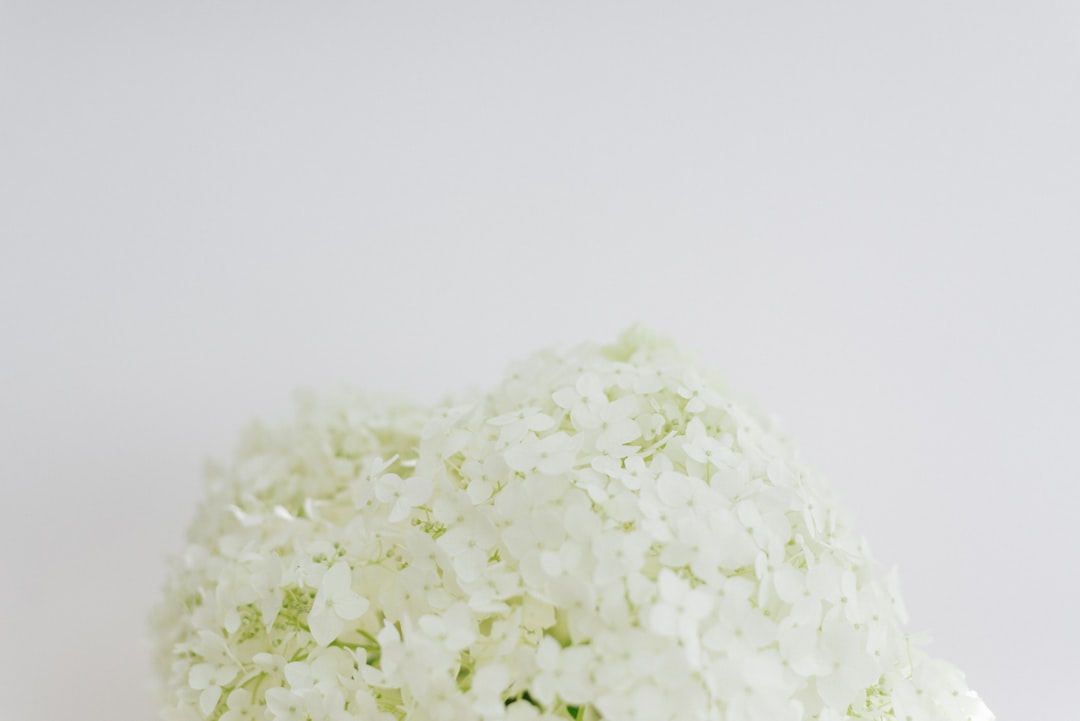
Coconut flakes (unsweetened)
Rated by 11 diets
The diets react (see scores below)
Diet Ratings
Unsweetened coconut flakes contain ~1g net carbs per ounce with high fat content (9g fat per ounce). No added sugar, whole food, excellent for keto baking and snacking in moderate portions.
Pure plant-based product with no animal-derived ingredients or processing concerns. Whole food form.
Unsweetened coconut flakes are minimally processed, contain no added sugars, grains, legumes, or seed oils. Fully paleo-compliant and nutrient-dense.
Unsweetened coconut is minimally processed, but coconut is not a traditional Mediterranean ingredient and is high in saturated fat. Can be used occasionally in small amounts for texture, but not a staple.
Some modern Mediterranean diet interpretations, particularly in coastal regions with global trade influences, accept small amounts of unsweetened coconut as an acceptable occasional ingredient. Traditional Mediterranean diet does not emphasize coconut.
Plant-derived product from coconut fruit. Despite being unsweetened, coconut is plant-based and explicitly excluded from carnivore diet.
Unsweetened coconut flakes are a whole food with no added sugar, additives, or excluded ingredients. Fully compliant with Whole30.
Unsweetened coconut flakes are low-FODMAP. Monash University has tested coconut and confirms it is low in FODMAPs at standard serving sizes (approximately 1/4 cup or 25g).
Tropical oil source with high saturated fat (~14g per 2 tablespoons). DASH guidelines limit tropical oils. Minimal sodium but fat profile conflicts with DASH emphasis on limiting saturated fat.
High saturated fat (9g per 2 tbsp) and moderate carbs (3g per 2 tbsp). While unsweetened avoids sugar, saturated fat profile conflicts with Zone preference for monounsaturated fats. Usable in small portions for flavor/texture.
Unsweetened coconut flakes provide fiber and some minerals. However, approximately 90% of calories come from saturated fat (mostly lauric acid). While some research suggests lauric acid has neutral inflammatory effects, high saturated fat content warrants moderation per anti-inflammatory guidelines.
Some researchers argue that coconut's medium-chain triglycerides (MCTs) and lauric acid have metabolic benefits and may not promote inflammation like other saturated fats. Dr. Weil allows coconut in moderation. AIP protocol includes coconut as acceptable.
High in saturated fat (~14g per 2 tbsp) and calories (~180 per 2 tbsp), but unsweetened is a plus. Provides some fiber and micronutrients. Small amounts can add flavor and satiety to meals, but fat content may trigger nausea or bloating. Portion control is essential. Better used as a garnish than a snack.
Some RDs view unsweetened coconut flakes as acceptable in small amounts for flavor and satiety, citing the fiber and micronutrient content. Others recommend avoiding due to high saturated fat density and potential for GI side effect exacerbation, especially in early GLP-1 treatment phases.
Controversy Index
Score range: 1–9/10. Higher controversy = more disagreement between diets.
Diet-Specific Tips for Coconut flakes (unsweetened)
 Keto — 8/10
- Low net carbs
- High fat content
- No added sugar
- Whole food
 Vegan — 9/10
- 100% plant-based
- No added sweeteners or additives
- Whole food product
 Paleo — 9/10
- Minimally processed
- No added sugars
- Nutrient-dense
- Historically available
 Mediterranean — 5/10
- High saturated fat content
- Not traditional Mediterranean ingredient
- Minimal processing (unsweetened)
- Portion control important
 Whole30 — 9/10
- No added sugar
- Whole food
- No additives
 Low-FODMAP — 8/10
- No added sugars
- Low-FODMAP at typical portions
- Monash tested
 DASH — 4/10
- High saturated fat
- Tropical oil classification
- No added sugar benefit
- Portion control critical
 Zone — 5/10
- High saturated fat
- Moderate carbs
- No added sugar
- Portion control critical
 Anti-Inflammatory — 6/10
- high saturated fat
- medium-chain triglycerides
- fiber
- minerals
- lauric acid
 GLP-1 Friendly — 5/10
- high saturated fat
- calorie-dense
- unsweetened is appropriate
- some fiber and micronutrients
- portion-sensitive