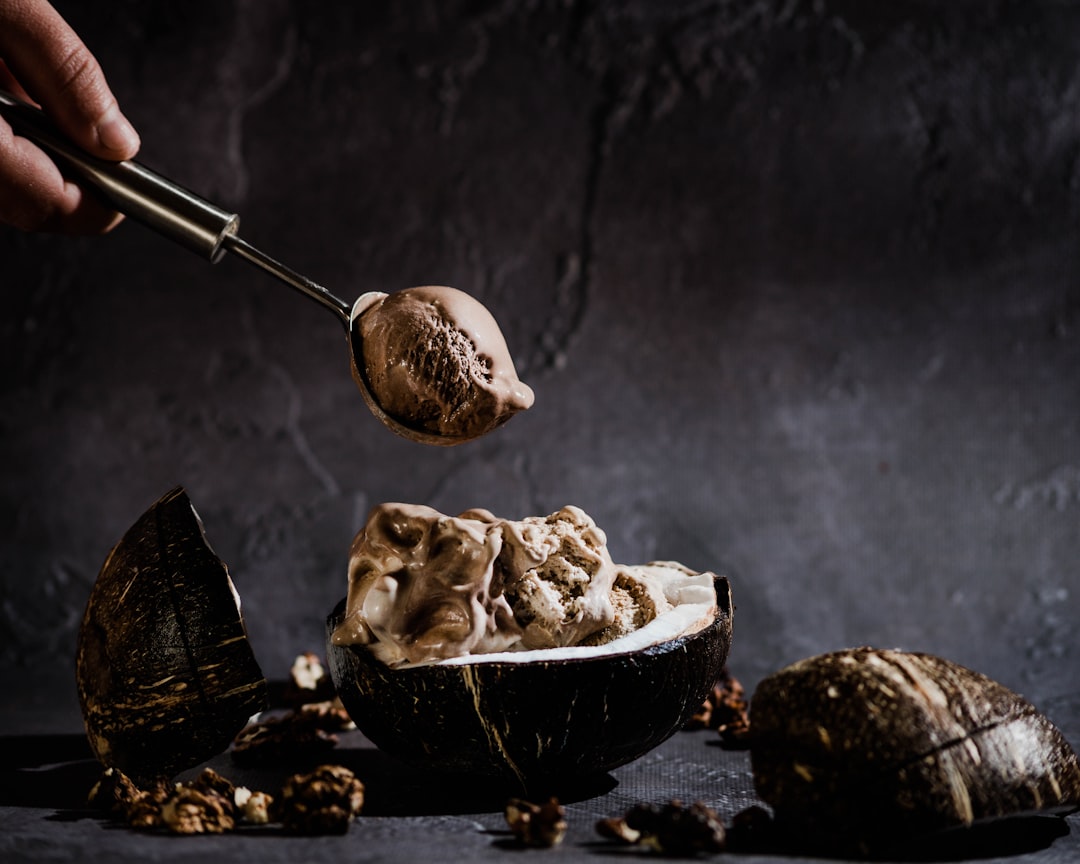
Coconut ice cream
Rated by 11 diets
The diets react (see scores below)
Diet Ratings
Depends heavily on brand and sweetener. Full-fat coconut ice cream with sugar alcohols or stevia can fit keto (2-5g net carbs per serving), but many commercial versions contain added sugars (15-20g carbs). Portion control essential.
Strict keto practitioners avoid all ice cream products due to potential for overconsumption and insulin response from even sugar alcohols, while mainstream keto allows small portions of properly sweetened versions.
Plant-based and vegan-compliant, but typically heavily processed with added sugars, oils, and stabilizers. Whole-food advocates prefer fresh fruit-based alternatives.
Coconut cream base is paleo-approved, but commercial coconut ice cream typically contains added sugars, gums, and stabilizers. Homemade versions with minimal sweetener are acceptable; store-bought versions are processed.
Strict paleo practitioners avoid all ice cream due to processing and sugar content, while some paleo-friendly brands use monk fruit or stevia as acceptable sweeteners, making them closer to 'approve' territory.
Highly processed frozen dessert with added sugars and saturated fat. Contradicts Mediterranean emphasis on whole foods and minimal added sugars. Ice cream is not a traditional Mediterranean food.
Coconut is plant-derived. Ice cream typically contains added sugars, plant-based additives, and stabilizers. Violates core carnivore principle of animal-only foods.
Ice cream is a recreated dessert/junk food that violates the spirit of Whole30, even if made with compliant ingredients. The program explicitly prohibits recreating baked goods and junk foods.
Coconut milk base is low-FODMAP, but ice cream typically contains added sugars and may include high-fructose sweeteners or sorbitol. Serving size and sweetener type are critical.
Monash University rates coconut milk as low-FODMAP; however, commercial ice cream formulations vary widely. Some brands use polyol sweeteners (sorbitol, xylitol) which are high-FODMAP. Clinical practitioners recommend checking ingredient labels carefully.
High in saturated fat from coconut oil (tropical oil explicitly limited in DASH), added sugars, and often full-fat dairy. Minimal nutritional benefit for cardiovascular health.
High sugar content (typically 15-25g per serving) with high saturated fat. Impossible to balance within Zone macros without exceeding carb blocks. Frozen dessert format amplifies glycemic impact.
Ice cream combines saturated fat (coconut), refined sugars, and often inflammatory additives. Even coconut-based versions lack anti-inflammatory benefits and promote blood sugar spikes and inflammatory responses.
High saturated fat content (typical serving 10-15g fat), high sugar, frozen texture may worsen nausea, low protein density, empty calories.
Nutritional profile
Six traits that cut across every diet.
Fiber & Plants
How much whole-plant food and fiber it delivers.
Healthy Fats
The quality of its fats (unsaturated, omega-3).
Whole / Unprocessed
How close it is to its natural, unprocessed form.
Gut Gentle
How easy it is on digestion (low FODMAP, few irritants).
Low Glycemic
How little it spikes your blood sugar.
Protein Density
How much protein it packs per calorie.
Controversy Index
Score range: 2–6/10. Higher controversy = more disagreement between diets.
Diet-Specific Tips for Coconut ice cream
 Keto — 5/10
- Sweetener type (sugar vs. sugar alcohols vs. stevia)
- Serving size (typically 1/2 cup)
- Brand variation in carb content
- High fat content supports ketosis if carbs are low
 Vegan — 6/10
- No animal products
- High in processed ingredients
- High sugar content typical
- Check for non-vegan additives
 Paleo — 5/10
- Added sugars in commercial versions
- Gums and stabilizers (guar gum, carrageenan)
- Processing contradicts paleo philosophy
- Homemade versions with minimal sweetener acceptable
 Low-FODMAP — 5/10
- Sweetener type (avoid sorbitol, xylitol, high-fructose corn syrup)
- Serving size (typically 1/2 cup is safer)
- Lactose content if dairy-based