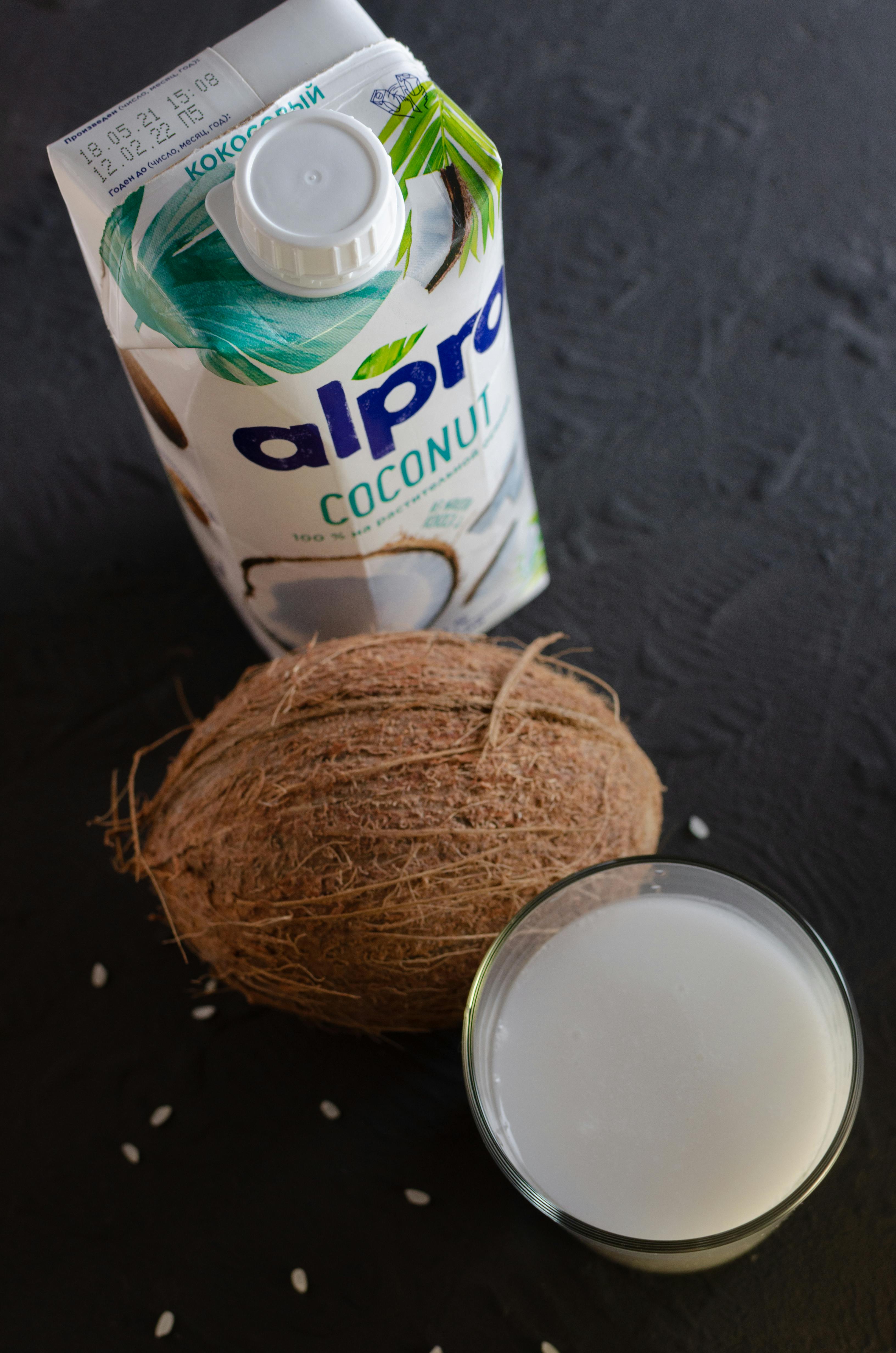
Coconut milk (carton)
Rated by 11 diets
The diets react (see scores below)
Diet Ratings
Typically 1-2g net carbs per cup, but carton versions often contain gums and additives. Full-fat canned coconut milk is preferable. Acceptable with attention to brand selection.
Strict whole-food keto practitioners prefer canned full-fat coconut milk over carton versions due to additives and gums, though carb content is similar.
Coconut milk is plant-based, made from coconut and water. Carton versions are shelf-stable and contain no animal products or derivatives.
Coconut milk itself is paleo-approved, but carton versions typically contain gums (guar gum, xanthan gum), additives, and sometimes added sugars or oils. Canned coconut milk (BPA concerns aside) is less processed. Carton versions warrant caution due to additives.
Some paleo practitioners accept carton coconut milk with only guar gum as an acceptable additive, viewing it as a minor processing compromise for convenience.
Carton coconut milk is processed with additives and gums. Coconut is not traditional to Mediterranean cuisine, and the fat profile differs from olive oil emphasis. Occasional use acceptable, but not a staple. Traditional dairy or whole coconuts preferable.
Some Mediterranean diet practitioners in tropical or modern adaptations accept coconut milk as an alternative to dairy, particularly for those with lactose intolerance, though traditional Mediterranean regions would use dairy products.
Coconut milk is extracted from coconut (plant fruit). Carton form contains additives, stabilizers, and gums. Plant-derived and violates carnivore diet's animal-only requirement.
Coconut milk is an explicitly approved exception to Whole30 rules. Carton versions are compliant as long as they contain no added sugar or gums (check label). A whole-food beverage.
Canned and carton coconut milk are low-FODMAP per Monash University at standard servings (1 cup/240ml). Primarily fat-based with minimal fermentable carbohydrates.
High in saturated fat from coconut oil (tropical oil explicitly limited in DASH guidelines). Often contains added sugars. Lacks calcium and other key DASH nutrients. Oat, soy, or low-fat dairy milk are superior alternatives.
High saturated fat (~5g per cup) with added carbs/sugars (~1-2g per tablespoon). Minimal protein. Processed with gums/additives. Saturated fat-heavy without protein buffering. Poor Zone alignment.
Coconut milk contains lauric acid with mixed inflammatory effects. Carton versions are processed with guar gum and other additives. Saturated fat content is moderate to high. Acceptable in moderation but not emphasized in anti-inflammatory diet. Canned versions without additives preferred.
Some functional medicine practitioners view coconut milk as anti-inflammatory. Mainstream anti-inflammatory guidance limits saturated fat intake.
Carton coconut milk (not canned) typically contains 1-2g fat per serving and minimal protein (0-1g). Primarily carbohydrate-based with added gums and stabilizers. Low nutrient density per calorie. May contribute to blood sugar spikes. Acceptable in small amounts in beverages or cooking but should not be a primary food choice for GLP-1 patients.
Some GLP-1 RDs view unsweetened carton coconut milk as a reasonable dairy alternative for patients with lactose sensitivity, while others recommend prioritizing higher-protein plant-based milks (soy, pea) or using small amounts of whole coconut cream in cooking instead.
Nutritional profile
Six traits that cut across every diet.
Fiber & Plants
How much whole-plant food and fiber it delivers.
Healthy Fats
The quality of its fats (unsaturated, omega-3).
Whole / Unprocessed
How close it is to its natural, unprocessed form.
Gut Gentle
How easy it is on digestion (low FODMAP, few irritants).
Low Glycemic
How little it spikes your blood sugar.
Protein Density
How much protein it packs per calorie.
Controversy Index
Score range: 2–9/10. Higher controversy = more disagreement between diets.
Diet-Specific Tips for Coconut milk (carton)
 Keto — 6/10
- 1-2g net carbs per cup
- Gums and additives in carton versions
- Full-fat preferred
- Brand variation significant
 Vegan — 9/10
- Plant-derived (coconut)
- No animal products
- Minimal processing
- Whole-food friendly
 Paleo — 6/10
- Coconut-derived (approved base)
- Contains stabilizing gums
- May contain additives or added sugars
 Mediterranean — 4/10
- Processed with additives
- Non-traditional ingredient
- Coconut fat not primary source
- Whole coconut preferable
 Whole30 — 9/10
- Explicitly approved exception
- No added sugar required
- Whole food derivative
- Check label for additives
 Low-FODMAP — 8/10
- Fat-based beverage
- Monash-tested at 1 cup serving
- Minimal fermentable carbohydrates
 Anti-Inflammatory — 5/10
- Moderate to high saturated fat
- Contains guar gum and additives
- Lauric acid has mixed effects
- Processing reduces whole food benefits
- Canned versions preferable to carton
 GLP-1 Friendly — 4/10
- minimal protein
- carbohydrate-based
- added stabilizers
- poor nutrient density
- may spike blood sugar