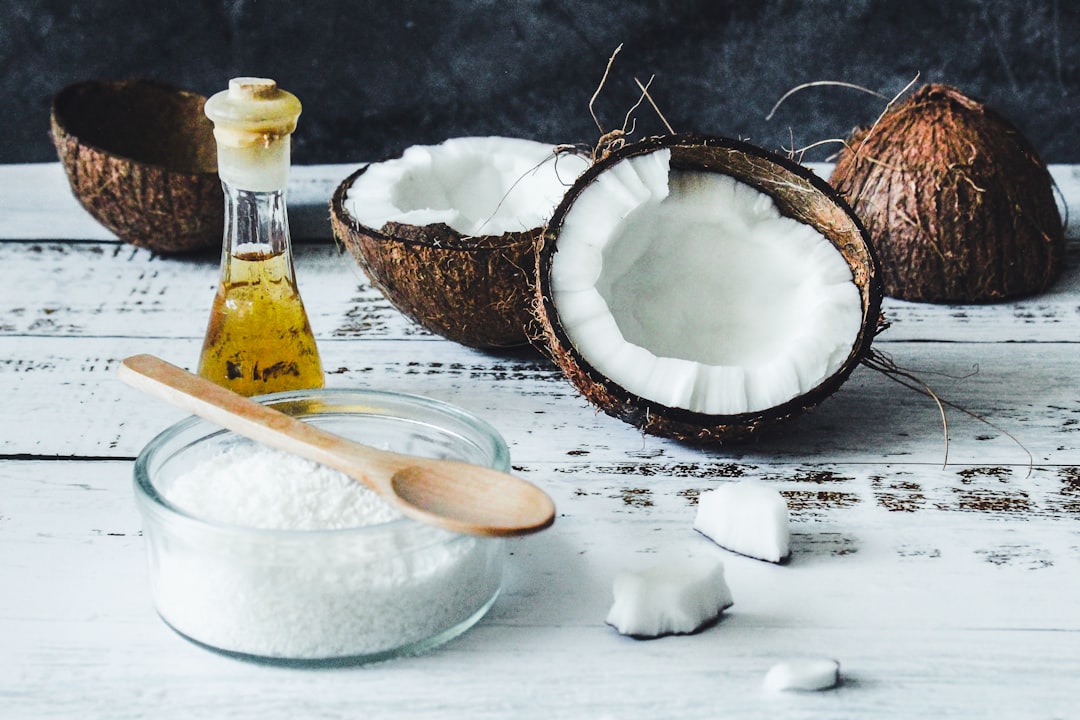
The diets react (see scores below)
Diet Ratings
Coconut oil is a keto superstar: zero carbs, 100% fat, high in MCTs for ketone production. Ideal for cooking and fat intake.
Plant-based oil extracted from coconut. No animal products or derivatives. Minimal processing.
Coconut oil is an approved fat source in paleo diet. Minimally processed, stable at high temperatures, and contains medium-chain triglycerides (MCTs) with potential metabolic benefits. Universally endorsed by all paleo authorities.
Coconut oil is not a Mediterranean ingredient and is high in saturated fat (92%). Extra virgin olive oil is the primary fat source in Mediterranean diet, making coconut oil contradictory to core principles.
Coconut oil is plant-derived (from coconut fruit), violating strict carnivore rules. However, some carnivore practitioners use it for cooking due to high saturated fat content and neutral taste. Most strict carnivore advocates recommend animal fats (tallow, lard) instead.
Strict carnivore practitioners (Lion Diet, meat-only advocates) exclude coconut oil entirely as plant-derived. Paul Saladino's animal-based approach may include it, but traditional carnivore emphasizes exclusive animal fat use.
Coconut oil is a whole food fat explicitly allowed and frequently recommended on Whole30. It is unprocessed and contains no excluded ingredients.
Coconut oil is pure fat with no carbohydrate content. It contains no FODMAPs and is suitable for all phases of the low-FODMAP diet.
Tropical oil explicitly limited in DASH guidelines. High in saturated fat (87%), which raises LDL cholesterol and increases cardiovascular risk. Contradicts DASH emphasis on unsaturated oils.
Coconut oil is ~90% saturated fat, conflicting with Zone preference for monounsaturated fats. While some research supports MCT metabolism, Dr. Sears emphasizes monounsaturated sources for anti-inflammatory benefits. Coconut oil lacks polyphenols and omega-3s. Usable in small amounts but not recommended as primary fat source.
Coconut oil is ~90% saturated fat, primarily lauric acid. While some claim anti-inflammatory benefits, mainstream anti-inflammatory guidelines (Dr. Weil, AHA) recommend limiting saturated fat. Acceptable occasionally but not a primary oil choice.
Some alternative medicine practitioners and paleo advocates argue coconut oil's lauric acid and MCTs have anti-inflammatory properties. However, Dr. Weil and mainstream cardiology recommend extra virgin olive oil as primary choice due to saturated fat concerns.
Coconut oil is 100% fat (120 calories per tablespoon) with zero protein or fiber. High in saturated fat (12g per tablespoon), which is explicitly discouraged in GLP-1 guidance. Provides no nutritional density per calorie and likely to trigger nausea, bloating, or reflux. No place in GLP-1 diet.
Nutritional profile
Six traits that cut across every diet.
Fiber & Plants
How much whole-plant food and fiber it delivers.
Healthy Fats
The quality of its fats (unsaturated, omega-3).
Whole / Unprocessed
How close it is to its natural, unprocessed form.
Gut Gentle
How easy it is on digestion (low FODMAP, few irritants).
Low Glycemic
How little it spikes your blood sugar.
Protein Density
How much protein it packs per calorie.
Controversy Index
Score range: 2–10/10. Higher controversy = more disagreement between diets.
Diet-Specific Tips for Coconut oil
 Keto — 10/10
- Zero net carbs
- High MCT content
- Stable at high temperatures
 Vegan — 8/10
- 100% plant-based
- Minimal processing
- Saturated fat content
- Environmental concerns secondary to vegan status
 Paleo — 9/10
- Approved fat source
- Minimal processing
- Stable at high temperatures
- Contains beneficial MCTs
 Carnivore — 5/10
- Plant-derived (coconut)
- High saturated fat content
- Widely used by some practitioners despite plant origin
- Animal fat alternatives available
 Whole30 — 10/10
- Whole food fat
- Explicitly allowed
- No excluded ingredients
 Low-FODMAP — 9/10
- Pure fat, no carbohydrates
- No FODMAP content
- Unlimited use permitted
 Zone — 4/10
- High saturated fat content
- Lacks polyphenols
- No omega-3 benefits
- Conflicts with anti-inflammatory focus
 Anti-Inflammatory — 5/10
- High saturated fat content
- Lauric acid present
- Limited polyphenols
- Conflicting evidence on inflammation