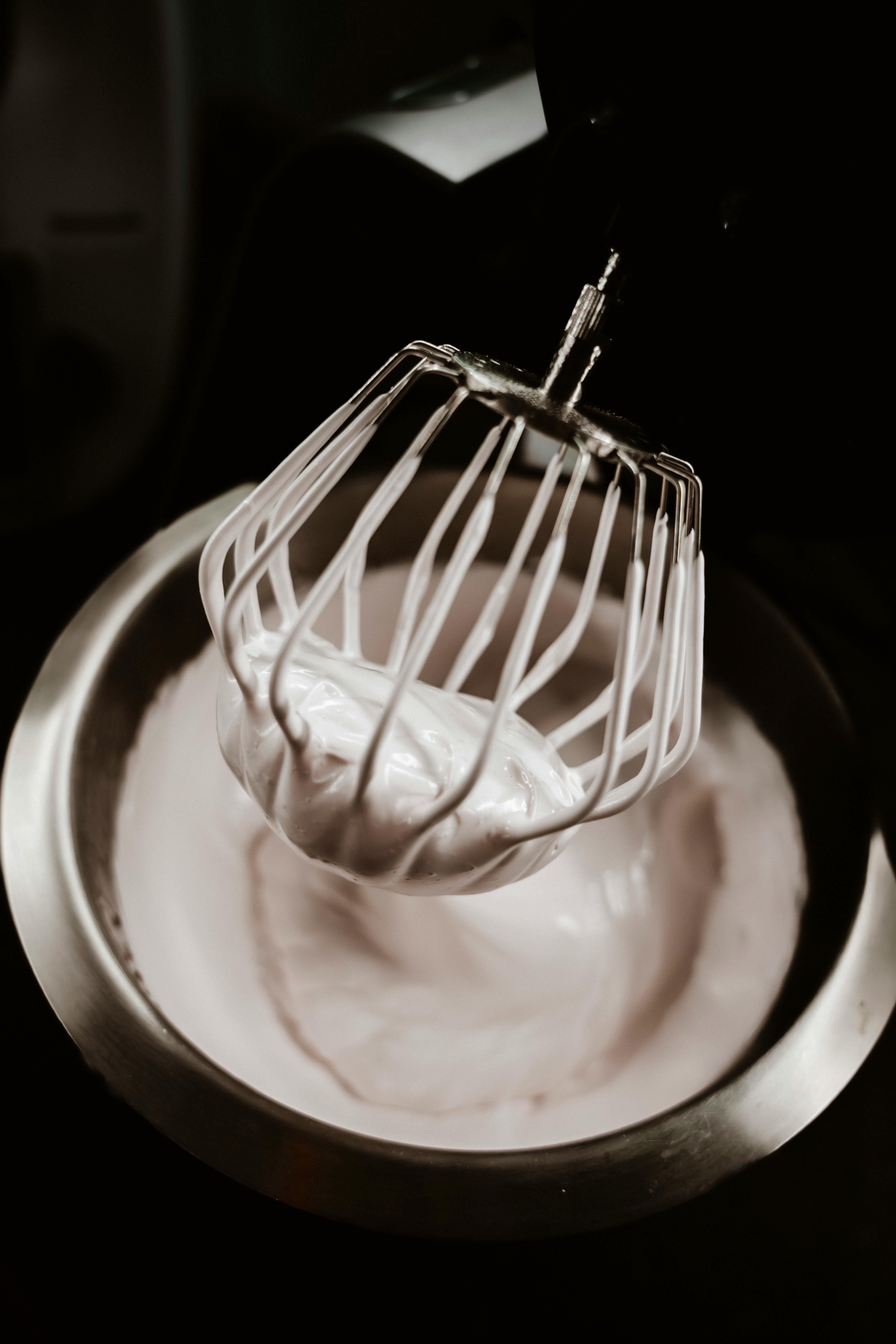
Coconut whipped cream
Rated by 11 diets
The diets react (see scores below)
Diet Ratings
High fat, minimal carbs (1-2g per serving). Made from coconut cream with no added sugars. Excellent keto-friendly dessert topping and aligns with high-fat macros.
Coconut whipped cream is made from coconut milk solids, plant-based, and requires no animal products. Universally approved by vegan organizations.
Coconut whipped cream made from coconut milk (coconut + water) with no additives is paleo-approved. Coconut is a Paleolithic food source. Check labels for added sugar or gums; pure versions are excellent.
Coconut whipped cream is highly processed with added sugars, stabilizers, and additives. Coconut oil is not a primary Mediterranean fat source (olive oil is). The product contradicts principles on processing, added sugars, and fat source.
Coconut whipped cream is made from coconut (plant fruit). While some carnivore practitioners consume coconut oil, whipped cream form typically contains additives and plant-based ingredients. Plant-derived and violates strict carnivore protocol.
Coconut whipped cream made from coconut milk (a compliant exception) with no added sugar is compliant. Coconut milk is explicitly approved, and whipping it is a simple preparation, not recreating a prohibited food.
Coconut whipped cream is primarily fat with minimal carbohydrates. Monash confirms coconut cream is low-FODMAP at standard servings. No fermentable components present.
High in saturated fat from coconut oil (tropical oil explicitly limited in DASH). Often contains added sugars. Lacks nutritional value. Does not align with DASH emphasis on limiting saturated fat and tropical oils. Low-fat dairy or plant-based alternatives preferred.
High saturated fat (~8g per 2 tablespoons) with added sugars/carbs (~2-3g). Minimal protein. Saturated fat-heavy without protein/carb balance. Processed with additives. Poor Zone macro ratio.
Coconut contains lauric acid (mixed inflammatory profile). Whipped cream products are processed with additives, emulsifiers, and sometimes added sugars. High in saturated fat. Inflammatory profile is neutral to slightly pro-inflammatory. Occasional use acceptable.
Some paleo and functional medicine practitioners view coconut fat as anti-inflammatory and acceptable. Mainstream anti-inflammatory guidance limits saturated fat and processed forms.
Coconut whipped cream is primarily saturated fat (12-15g per 2 tablespoon serving) with negligible protein (0-1g) and minimal fiber. Empty calories that provide no nutritional value for GLP-1 patients. High fat content will trigger nausea, bloating, and reflux. Portion control is difficult with whipped cream. Not compatible with GLP-1 dietary priorities.
Nutritional profile
Six traits that cut across every diet.
Fiber & Plants
How much whole-plant food and fiber it delivers.
Healthy Fats
The quality of its fats (unsaturated, omega-3).
Whole / Unprocessed
How close it is to its natural, unprocessed form.
Gut Gentle
How easy it is on digestion (low FODMAP, few irritants).
Low Glycemic
How little it spikes your blood sugar.
Protein Density
How much protein it packs per calorie.
Controversy Index
Score range: 2–9/10. Higher controversy = more disagreement between diets.
Diet-Specific Tips for Coconut whipped cream
 Keto — 8/10
- 1-2g net carbs per serving
- High fat content
- Minimal processing
- Supports keto macros
 Vegan — 8/10
- Plant-derived (coconut)
- No animal products
- Minimal processing
- Direct dairy alternative
 Paleo — 8/10
- Coconut-derived
- Minimal processing if pure
- Check for added sugars or gums
 Whole30 — 8/10
- Coconut milk is approved exception
- No added sugar
- Simple preparation
- Whole food derivative
 Low-FODMAP — 9/10
- Pure fat source
- Minimal carbohydrates
- No fermentable components
 Anti-Inflammatory — 4/10
- High saturated fat content
- Processed with additives
- Contains emulsifiers
- May contain added sugars
- Limited anti-inflammatory compounds