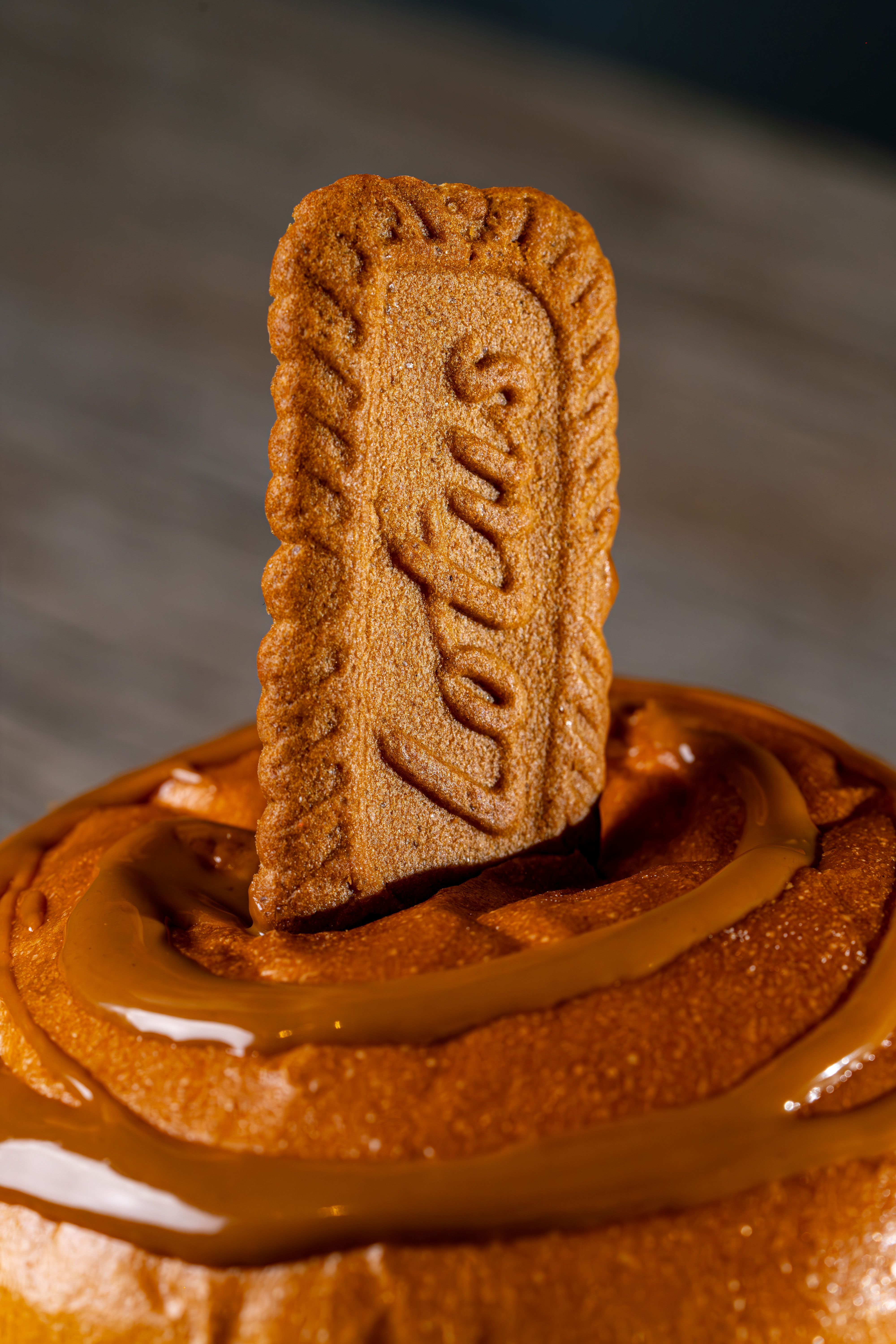
Cookie butter (Biscoff)
Rated by 11 diets
The diets react (see scores below)
Diet Ratings
Biscoff cookie butter contains approximately 8-10g net carbs per 2 tablespoons with added sugars and refined grain flour. Completely incompatible with ketosis.
Plant-based spread made from cookies, but heavily processed. Contains sugar, palm oil, and minimal nutritional value. Technically vegan but not whole-food aligned.
Processed spread made from grain-based cookies with added sugar and seed oils. Multiple paleo violations: grains, refined sugar, and processed ingredients.
Highly processed spread with added sugars, refined grains, and unhealthy fats. Contradicts Mediterranean principles of minimal processing and added sugars.
Processed plant-based spread made from cookies (grain-derived), sugar, and plant oils. Multiple plant ingredients and added sugar. Completely incompatible with carnivore diet.
Cookie butter is a processed spread made from cookies (grain-based) and contains added sugar. It violates Whole30 on multiple grounds: grains, added sugar, and the spirit of avoiding recreated junk foods.
Biscoff spread is primarily caramelized wheat flour and sugar. Wheat contains fructans; however, Monash testing of similar products suggests low-FODMAP status at restricted portions (1-2 tablespoons). Serving size is critical.
Monash University data on cookie butter is limited; clinical practitioners express caution due to wheat fructan content, recommending minimal portions or avoidance during strict elimination despite potential low-FODMAP status at very small servings.
Highly processed spread with added sugar, refined carbohydrates, and unhealthy fats. Minimal nutritional value. High calorie density with no potassium, magnesium, or fiber benefits. Directly contradicts DASH principles on added sugars and processed foods.
Cookie butter is processed spread made from cookies with added sugar, refined carbs, and hydrogenated oils. High glycemic load (8g carbs per tbsp, mostly sugar), trans fat risk, minimal nutritional value. Fundamentally incompatible with Zone's low-glycemic carb and anti-inflammatory fat requirements.
Highly processed spread with refined carbohydrates, added sugars, and inflammatory seed oils (palm, soybean). No meaningful anti-inflammatory compounds. Directly contradicts anti-inflammatory diet principles.
Ultra-processed spread with high sugar (7g per tbsp), high fat (9g per tbsp), minimal protein (0g per tbsp), and empty calories. Triggers blood sugar spikes and provides zero nutritional value for GLP-1 patients eating in caloric deficit. Directly contradicts nutrient density requirement.
Nutritional profile
Six traits that cut across every diet.
Fiber & Plants
How much whole-plant food and fiber it delivers.
Healthy Fats
The quality of its fats (unsaturated, omega-3).
Whole / Unprocessed
How close it is to its natural, unprocessed form.
Gut Gentle
How easy it is on digestion (low FODMAP, few irritants).
Low Glycemic
How little it spikes your blood sugar.
Protein Density
How much protein it packs per calorie.
Controversy Index
Score range: 1–6/10. Higher controversy = more disagreement between diets.
Diet-Specific Tips for Cookie butter (Biscoff)
 Vegan — 6/10
- processed food
- plant-based ingredients
- high sugar
- palm oil concerns
 Low-FODMAP — 5/10
- Wheat fructan content
- Portion-dependent safety
- 1-2 tablespoon maximum