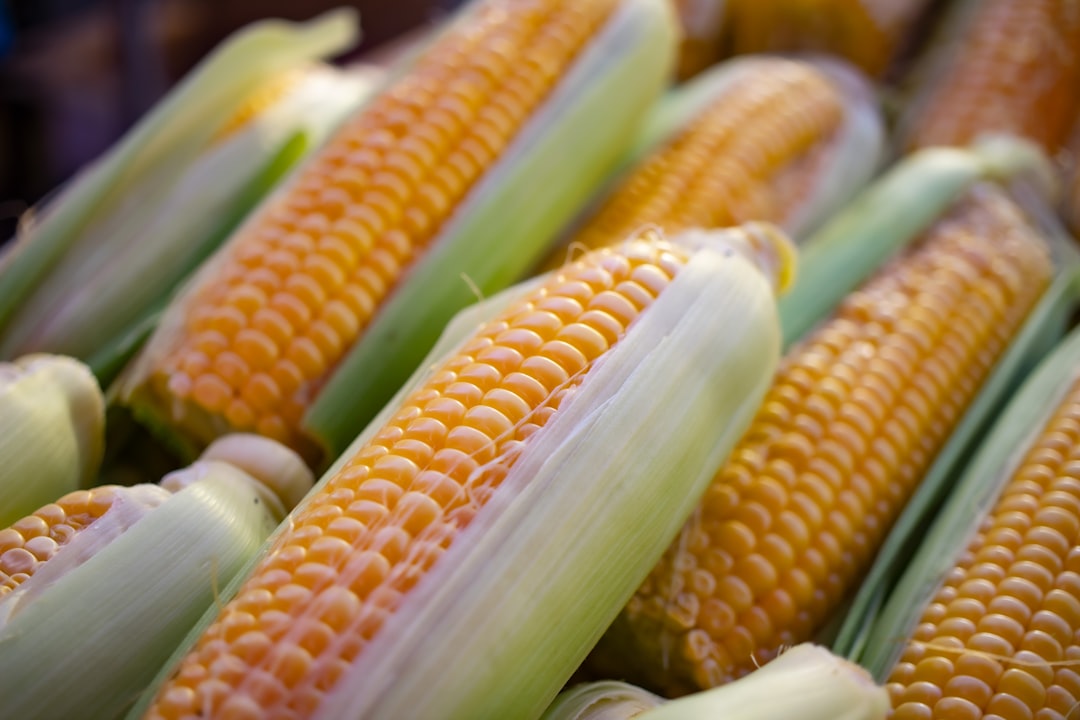
The diets react (see scores below)
Diet Ratings
Corn contains 17.3g net carbs per 100g and is a grain product. Even small portions (50g) provide 8.7g net carbs. Fundamentally incompatible with ketogenic diet due to high carbohydrate and starch content.
Whole plant food, grain/vegetable with no animal products or derivatives. Complete protein when combined with legumes.
Grain excluded from paleo diet. High omega-6 polyunsaturated fat content, high carbohydrate load, and contains anti-nutrients like phytic acid and lectins.
Higher in carbohydrates and calories than other vegetables. While not prohibited, corn is not a traditional Mediterranean staple and should be consumed in moderation. Fresh corn is preferable to processed forms.
Some Mediterranean diet interpretations, particularly in Southern European regions, include corn as an acceptable grain-vegetable hybrid when consumed fresh and in reasonable portions.
Grain crop derived from plants. High in carbohydrates and plant compounds. Explicitly excluded from carnivore diet as a plant-based food.
Corn is explicitly excluded from Whole30 as a grain. It is not permitted in any form during the 30-day elimination period.
Corn is low-FODMAP at standard serving sizes per Monash University. Grain product with minimal fermentable carbohydrates at typical portions.
Starchy vegetable higher in carbohydrates and calories than non-starchy vegetables. Low sodium and contains some potassium, but portion control important. Acceptable in moderation within DASH framework.
High-glycemic starch with net carbs ~17g per 100g and high omega-6 content. Explicitly discouraged in Zone Diet as a high-glycemic carb. Sears recommends avoiding corn and corn oil due to inflammatory omega-6 profile.
Whole corn contains fiber and some antioxidants, but is high in omega-6 polyunsaturated fat and low in omega-3. Refined corn products are worse. Whole corn acceptable in moderation; refined corn products should be limited.
Some mainstream nutrition authorities treat whole corn as acceptable whole grain. However, strict anti-inflammatory protocols note corn's unfavorable omega-6:omega-3 ratio and recommend limiting frequency.
Starchy vegetable with moderate protein but high carbohydrate content and lower fiber density per serving compared to legumes. Higher caloric density than non-starchy vegetables. Acceptable in small portions but not ideal for calorie-restricted GLP-1 patients.
Nutritional profile
Six traits that cut across every diet.
Fiber & Plants
How much whole-plant food and fiber it delivers.
Healthy Fats
The quality of its fats (unsaturated, omega-3).
Whole / Unprocessed
How close it is to its natural, unprocessed form.
Gut Gentle
How easy it is on digestion (low FODMAP, few irritants).
Low Glycemic
How little it spikes your blood sugar.
Protein Density
How much protein it packs per calorie.
Controversy Index
Score range: 1–9/10. Higher controversy = more disagreement between diets.
Diet-Specific Tips for Corn
 Vegan — 9/10
- 100% plant-based
- Whole food
- No processing
- Complete amino acid profile when paired
 Mediterranean — 5/10
- higher carbohydrate content
- moderate glycemic index
- not traditional Mediterranean staple
- portion control recommended
 Low-FODMAP — 8/10
- Low fructans
- Low GOS
- Low polyols
- Grain product
 DASH — 5/10
- Low sodium
- Higher carbohydrate content
- Moderate potassium
- Portion control needed
 Anti-Inflammatory — 5/10
- high omega-6 polyunsaturated fat
- low omega-3 content
- contains fiber and antioxidants when whole
- refined forms more problematic
 GLP-1 Friendly — 4/10
- high carbohydrate content
- moderate fiber
- higher calorie density
- low protein
- portion-sensitive