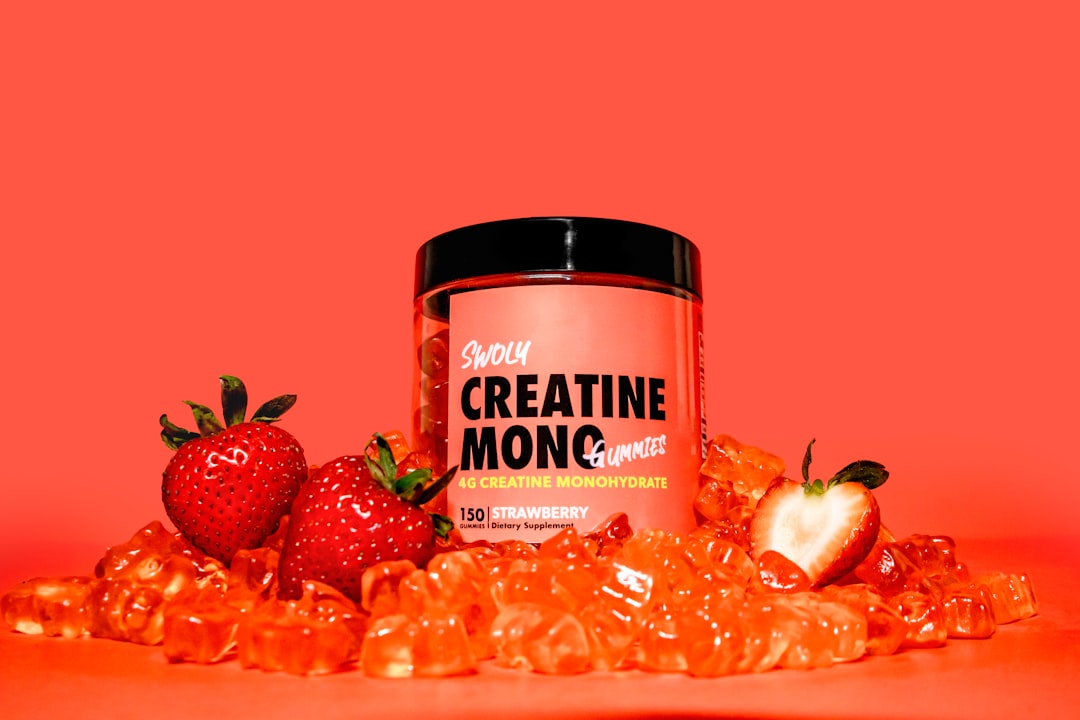
Creatine monohydrate
Rated by 11 diets
The diets react (see scores below)
Diet Ratings
Pure creatine monohydrate is zero carbs, zero calories, zero sugar. Supports muscle performance and cognitive function. Universally accepted in keto protocols.
Synthetic compound produced through chemical synthesis, not derived from animal sources. Vegan-friendly supplement widely accepted by vegan athletes.
Creatine is a naturally occurring compound found in meat, but creatine monohydrate is a synthesized supplement. Paleo philosophy emphasizes whole foods over isolated supplements, but creatine is not toxic or inflammatory. It's a gray area—not a food, but a performance aid.
Some paleo practitioners accept creatine as a legitimate performance supplement since it's naturally present in meat and has no anti-nutrients or inflammatory properties. Others argue supplements contradict the whole-food philosophy. The Paleo Foundation does not explicitly address creatine.
Synthetic supplement not found in traditional Mediterranean diet. While research shows safety, it contradicts whole-food emphasis. Acceptable for specific athletic goals but not a dietary staple.
Some Mediterranean diet researchers accept creatine supplementation as evidence-based ergogenic aid that doesn't contradict core dietary principles, particularly for muscle preservation in aging.
Creatine is synthesized but not plant-derived. It's a naturally occurring compound found in animal muscle. Most carnivore practitioners accept it as a supplement, though purists debate supplementation.
Strict carnivore ideologues argue that any non-food supplement violates the 'whole food only' principle, even if the compound is animal-derived or synthesized.
Creatine monohydrate is a non-food supplement that does not contain any excluded ingredients. It is a simple chemical compound (creatine + water) with no added sugar, grains, legumes, dairy, or other prohibited items. Supplements are permitted as long as they contain no excluded ingredients.
Pure creatine monohydrate is a non-carbohydrate amino acid derivative. No fermentable carbohydrates. Safe at any dose.
Not a food but a supplement. Supports muscle strength and cardiovascular function in some populations. Generally recognized as safe by NIH. However, DASH guidelines do not address supplementation, and evidence for hypertension benefit is limited. Consult healthcare provider.
NIH DASH guidelines do not address creatine supplementation. Updated clinical interpretation varies: some cardiologists support creatine for muscle preservation in hypertensive patients; others recommend whole food protein sources exclusively. Individual assessment recommended.
Non-caloric supplement with no macronutrient impact. Supports muscle performance and recovery. Neutral to Zone diet; does not interfere with 40/30/30 balance. Well-researched safety profile.
Creatine is not inflammatory and supports muscle function. However, it is a supplement, not a food, and anti-inflammatory diet emphasizes whole foods. Research shows safety, but not inherently anti-inflammatory.
Sports medicine and some functional practitioners view creatine as beneficial for muscle health and recovery. Anti-inflammatory purists argue supplements cannot replace whole food nutrition.
Supports muscle preservation during rapid weight loss on GLP-1s, well-researched safety profile, minimal calories, no protein but synergistic with protein intake and resistance training. Requires adequate hydration (critical for GLP-1 patients).
Some GLP-1 specialists recommend creatine as standard for all patients undergoing rapid weight loss to preserve lean mass; others view it as optional and recommend prioritizing whole-food protein first. No clinical consensus on universal recommendation, though safety is well-established.
Nutritional profile
Six traits that cut across every diet.
Fiber & Plants
How much whole-plant food and fiber it delivers.
Healthy Fats
The quality of its fats (unsaturated, omega-3).
Whole / Unprocessed
How close it is to its natural, unprocessed form.
Gut Gentle
How easy it is on digestion (low FODMAP, few irritants).
Low Glycemic
How little it spikes your blood sugar.
Protein Density
How much protein it packs per calorie.
Controversy Index
Score range: 5–9/10. Higher controversy = more disagreement between diets.
Diet-Specific Tips for Creatine monohydrate
 Keto — 9/10
- Zero carbs
- Zero calories
- Supports muscle performance
- Evidence-based supplement
- No keto conflicts
 Vegan — 8/10
- Synthetically produced, not animal-derived
- No animal testing concerns for the compound itself
- Widely accepted in vegan fitness communities
 Paleo — 5/10
- synthesized supplement
- naturally occurring in meat
- no inflammatory properties
- not a whole food
 Mediterranean — 5/10
- Non-food supplement
- Synthetic origin
- Evidence-based efficacy
- Not traditional Mediterranean component
 Carnivore — 6/10
- not plant-derived
- synthesized supplement
- naturally occurs in animal muscle
- supplementation debate
 Whole30 — 9/10
- No excluded ingredients
- Simple chemical compound
- Permitted supplement
- Verify label for additives
 Low-FODMAP — 9/10
- No fermentable carbohydrates
- Non-FODMAP compound
- Unflavored form safest
 DASH — 6/10
- Not a food
- Supplement status
- Limited DASH guidance
- Individual variation
 Zone — 9/10
- Zero macronutrient content
- Performance-enhancing
- No glycemic impact
- Supports lean muscle
 Anti-Inflammatory — 6/10
- Not inherently inflammatory
- Supports muscle function
- Supplement, not whole food
- Research supports safety
- No anti-inflammatory compounds
 GLP-1 Friendly — 8/10
- muscle preservation
- well-researched
- minimal calories
- requires hydration
- synergistic with resistance training