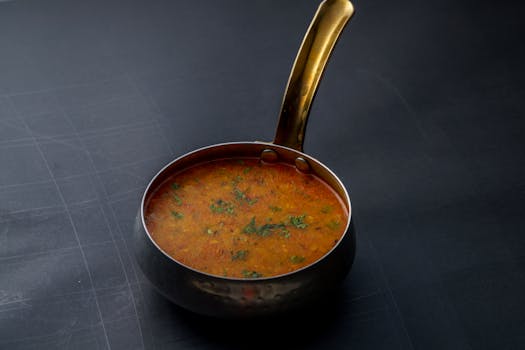
The diets react (see scores below)
Diet Ratings
Dal contains 15-25g net carbs per cup depending on recipe. Lentil-based soup with high carbohydrate content. Incompatible with ketogenic macros.
Traditional plant-based lentil dish, excellent protein and fiber. Often made with ghee (clarified butter) in traditional recipes, but vegan versions using oil are widely available and authentic. Check preparation method.
Some vegans strictly avoid dal made with ghee, while others accept it only when prepared with plant-based oils.
Dal is a lentil-based dish, and lentils are legumes explicitly excluded from paleo. The legume base disqualifies it regardless of preparation method or spices used.
Lentil-based soup aligns perfectly with Mediterranean principles of legume consumption. When prepared with olive oil, vegetables, and minimal salt, it exemplifies Mediterranean nutrition.
Dal is lentil-based (plant-derived legume) and explicitly excluded from carnivore diet. Often contains added spices and plant ingredients incompatible with carnivore principles.
Dal is made from lentils, which are legumes explicitly excluded from Whole30 for the full 30-day period.
Dal FODMAP content depends on lentil type and added ingredients. Traditional dal often contains garlic and onion (high-FODMAP). Lentil portion and cooking method affect final FODMAP load. Low-FODMAP dal requires careful ingredient selection.
Monash University has not formally tested 'dal' as a prepared dish. Clinical practitioners note that traditional dal recipes with garlic and onion are high-FODMAP; low-FODMAP versions require modified recipes using garlic-infused oil and garlic-free aromatics.
Nutrient-dense lentil-based soup with protein, fiber, potassium, and magnesium. Low sodium when prepared without excess salt. Excellent DASH food. Score slightly lower than plain lentils due to potential added oil/ghee.
Dal's Zone compatibility depends heavily on preparation method and fat source. Traditional dal uses ghee or oil; if prepared with monounsaturated fat and appropriate vegetable ratios, it can work. However, many recipes use excessive oil or coconut milk, making macro balance difficult.
Dr. Sears emphasizes controlling fat sources and total fat content. Traditional dal preparations often exceed Zone fat blocks due to ghee or oil content. The dish requires significant modification to align with Zone anti-inflammatory fat guidelines.
Traditional preparation combines lentils with anti-inflammatory spices (turmeric, ginger, cumin) and often uses ghee or coconut oil. High in fiber, polyphenols, and bioactive compounds from spices.
High protein (12-15g per serving depending on recipe), high fiber, low fat if prepared with minimal oil, nutrient-dense. Liquid-based aids hydration and digestion. Soft texture easy on stomach. Excellent GLP-1 food if made with lean preparation.
Nutritional profile
Six traits that cut across every diet.
Fiber & Plants
How much whole-plant food and fiber it delivers.
Healthy Fats
The quality of its fats (unsaturated, omega-3).
Whole / Unprocessed
How close it is to its natural, unprocessed form.
Gut Gentle
How easy it is on digestion (low FODMAP, few irritants).
Low Glycemic
How little it spikes your blood sugar.
Protein Density
How much protein it packs per calorie.
Controversy Index
Score range: 1–9/10. Higher controversy = more disagreement between diets.
Diet-Specific Tips for Dal (lentil soup)
 Vegan — 8/10
- Whole food legume base
- Often made with ghee traditionally
- Vegan versions readily available
- High protein and fiber
 Mediterranean — 9/10
- legume-based
- plant protein
- traditional preparation
- vegetable inclusion
 Low-FODMAP — 4/10
- Lentil type determines base FODMAP
- Garlic and onion are common high-FODMAP additions
- Recipe variation affects rating significantly
 DASH — 8/10
- High plant protein and fiber
- Rich in potassium and magnesium
- Low sodium when prepared traditionally without excess salt
- Often includes turmeric and spices with anti-inflammatory properties
- May contain added ghee or oil—monitor fat content
 Zone — 6/10
- Preparation-dependent
- Often high in added fats
- Good protein-carb base
- Requires fat source verification
 Anti-Inflammatory — 9/10
- lentil base (high fiber, polyphenols)
- turmeric (curcumin)
- ginger
- traditional anti-inflammatory preparation
- bioactive spice compounds
 GLP-1 Friendly — 8/10
- high protein
- high fiber
- low fat (if prepared lean)
- liquid-based aids hydration
- easy to digest