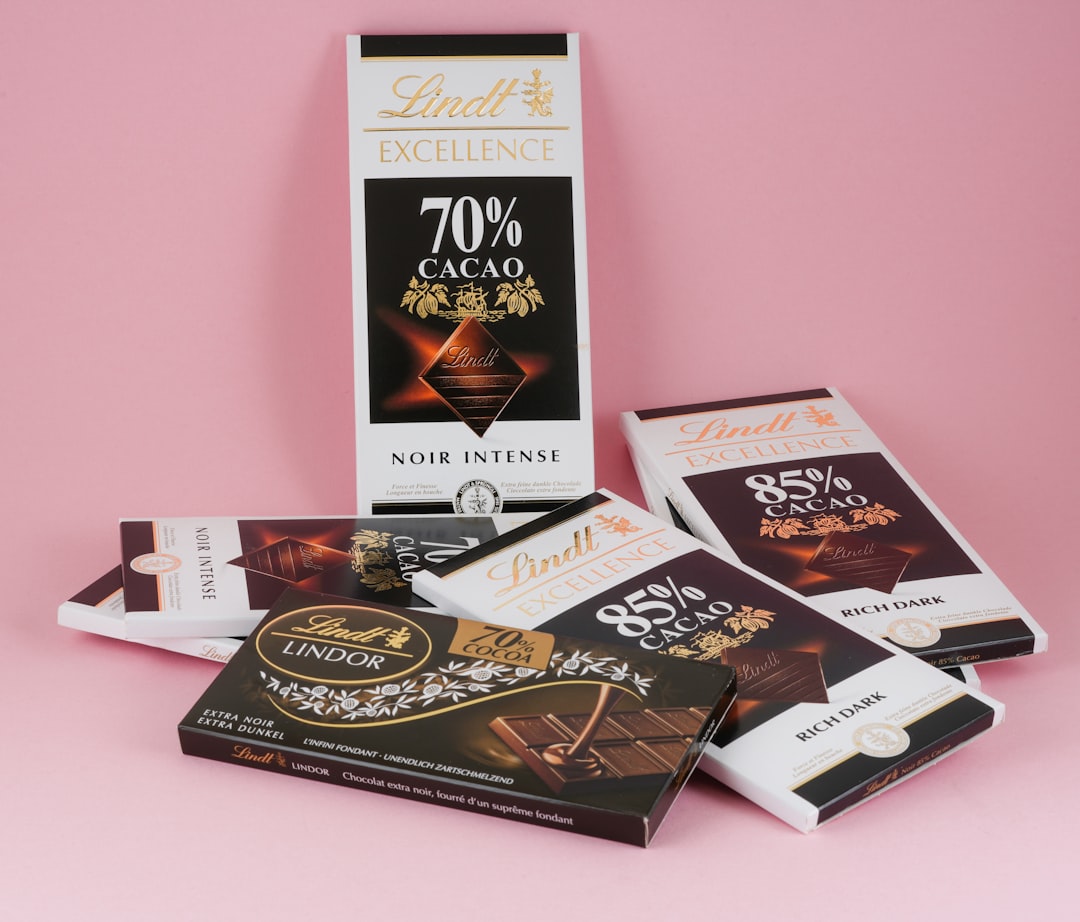
Dark chocolate (70%+)
Rated by 11 diets
The diets react (see scores below)
Diet Ratings
70%+ dark chocolate contains 3-5g net carbs per ounce. Consumable in small portions (1-2 squares) but requires strict tracking. High fat and minimal sugar relative to lower-cacao alternatives.
Strict keto practitioners avoid all chocolate due to residual sugar and potential for cravings, while mainstream keto allows small amounts of 85%+ varieties as occasional treats.
Dark chocolate at 70%+ cacao typically contains only plant-based ingredients: cacao, sugar, cocoa butter. No dairy or animal derivatives present in most quality brands.
Dark chocolate >70% cacao is widely accepted in mainstream paleo due to minimal processing and low sugar content. However, it remains a processed food and contains some anti-nutrients from cacao. Moderation is key.
Strict Cordain-school paleo excludes all processed cacao products, arguing that chocolate was unavailable to Paleolithic humans and processing contradicts paleo philosophy.
Dark chocolate contains antioxidants and polyphenols aligned with Mediterranean principles, but is calorie-dense and contains added sugars. Traditionally consumed in small amounts in Mediterranean regions.
Some Mediterranean diet authorities emphasize dark chocolate's cardiovascular benefits and recommend regular small portions (1 oz daily), particularly in Spanish and Italian traditions where chocolate consumption is more normalized.
Plant-derived product (cacao bean). Contains plant compounds, sugar, and carbohydrates. Violates core carnivore principle of exclusive animal products.
Dark chocolate without added sugar is technically compliant, but most commercial dark chocolate contains added sugar. Pure cacao products are allowed, but the 70%+ threshold typically includes sweeteners. Verify ingredient list for added sugars.
Melissa Urban acknowledges that some dark chocolate with minimal added sugar may fit the spirit, but community interpretation varies widely on acceptable sugar content.
Dark chocolate at 70% cacao and above is low in FODMAPs. Monash University has tested dark chocolate and confirms low-FODMAP status at standard serving sizes (30g). Higher cacao content means lower sugar and fewer fermentable carbohydrates.
Dark chocolate contains flavonoids with cardiovascular benefits, but is calorie-dense and contains added sugar. Acceptable in small portions (1 oz/day) as part of DASH, but not a core food.
Dark chocolate contains polyphenols (anti-inflammatory) and monounsaturated fat, but is calorie-dense and carb-heavy. A small portion (0.5-1 oz) can fit into Zone macros as a fat/carb block, but requires strict portioning to avoid exceeding carb targets.
Rich in polyphenols and antioxidants with anti-inflammatory properties. Contains minimal added sugar when 70%+ cacao. Supports endothelial function and cardiovascular health.
Dark chocolate provides antioxidants and small amounts of fiber, but is calorie-dense and high in fat (9g fat per 1oz serving). The small portion size that satisfies on GLP-1 may provide minimal nutritional benefit. Sugar content varies by brand but typically 5-12g per serving.
Some GLP-1 RDs approve dark chocolate in very small amounts (1-2 squares) as a satisfying treat that leverages reduced appetite, while others recommend avoiding it entirely due to fat density and empty calories relative to protein/fiber needs.
Nutritional profile
Six traits that cut across every diet.
Fiber & Plants
How much whole-plant food and fiber it delivers.
Healthy Fats
The quality of its fats (unsaturated, omega-3).
Whole / Unprocessed
How close it is to its natural, unprocessed form.
Gut Gentle
How easy it is on digestion (low FODMAP, few irritants).
Low Glycemic
How little it spikes your blood sugar.
Protein Density
How much protein it packs per calorie.
Controversy Index
Score range: 2–8/10. Higher controversy = more disagreement between diets.
Diet-Specific Tips for Dark chocolate (70%+)
 Keto — 5/10
- 3-5g net carbs per ounce
- High fat content
- Added sugars present
- Portion control critical
 Vegan — 8/10
- Check label for milk/dairy additives
- Verify no shellac or carmine coloring
- Some brands add milk fat—read ingredients
 Paleo — 6/10
- Processed cacao product
- Low sugar content in high-percentage varieties
- Contains some anti-nutrients
- Not available to hunter-gatherers
 Mediterranean — 5/10
- High in antioxidants
- Added sugar content
- Calorie density
- Portion control critical
 Whole30 — 5/10
- Added sugar content
- Ingredient transparency required
- Most commercial versions contain added sugar
 Low-FODMAP — 8/10
- Low sugar content at higher cacao percentages
- Minimal lactose
- No fructans or polyols at standard servings
 DASH — 5/10
- Flavonoids support endothelial function
- High in calories and sugar
- Saturated fat present
- Portion control essential
 Zone — 5/10
- High in polyphenols
- Monounsaturated fat content
- Calorie-dense
- Requires precise portioning
- Contains sugar despite high cocoa %
 Anti-Inflammatory — 8/10
- High polyphenol content
- Antioxidant-rich
- Low added sugar at 70%+ cacao
- Flavonoid compounds
 GLP-1 Friendly — 5/10
- high fat per serving
- calorie-dense
- small portion naturally satisfying
- antioxidants present