How the diets react
Diet Ratings
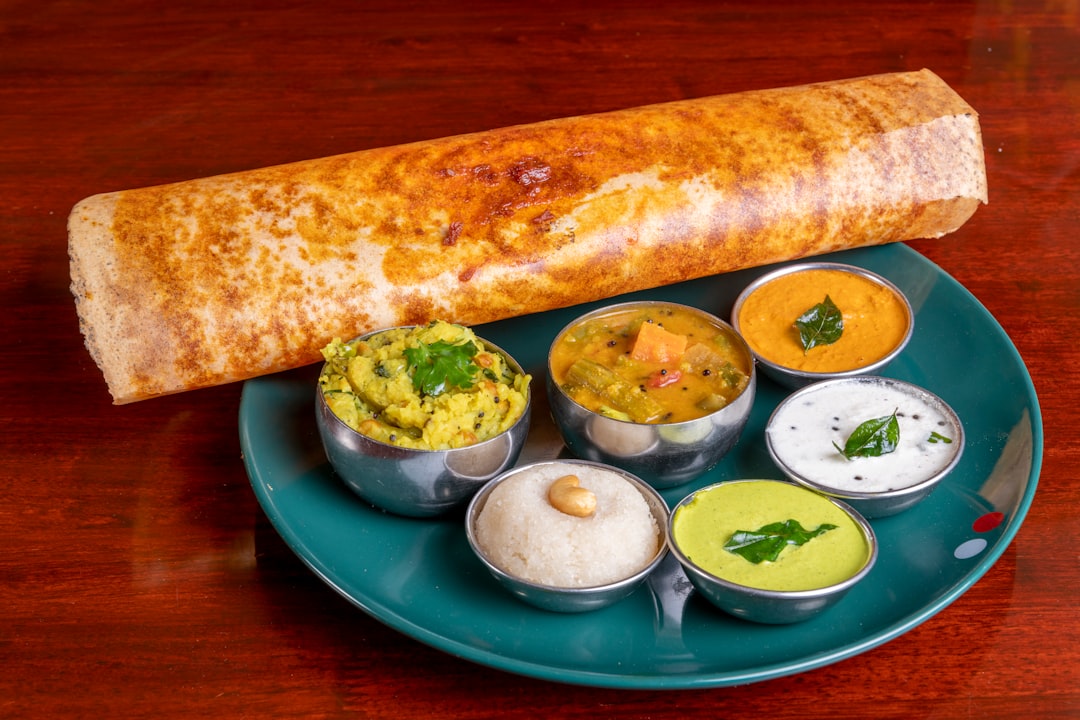
Dosa is a fermented crepe made from rice and lentil flour. A single dosa contains 25-35g net carbs. The grain and legume base makes it fundamentally incompatible with ketosis.
Dosa is made from fermented rice and lentil batter, cooked on a griddle with oil. Inherently plant-based. Often served with plant-based chutneys and sambar. Excellent whole-food vegan option.
Dosa is made from fermented rice and lentil batter, combining two major paleo exclusions: grains (rice) and legumes (lentils). The fermentation does not change the fundamental grain/legume composition.
Dosa is a South Indian fermented rice and lentil crepe. While fermented grains and legumes are Mediterranean-compatible, dosa is typically fried in oil and not a traditional Mediterranean food. Preparation method and accompaniments matter.
Some nutritionists view dosa favorably due to fermentation benefits and legume content, particularly when prepared with minimal oil and served with vegetable-based chutneys.
Dosa is made from fermented rice and lentil batter—both plant-based grains and legumes. Completely incompatible with carnivore diet.
Dosa is a fermented crepe made from rice flour and lentil flour, both excluded grains and legumes on Whole30. The preparation method does not change the excluded ingredient status.
Dosa is made from fermented rice and lentil batter (low-FODMAP), but is typically served with onion-based chutneys and sambar containing garlic and onion. The crepe itself may be low-FODMAP if served plain.
Monash rates rice and lentils as low-FODMAP in appropriate portions, but traditional dosa accompaniments (chutneys, sambar) contain high-FODMAP ingredients. Clinical practitioners recommend plain dosa with low-FODMAP sides.
Dosa is made from fermented rice and lentil batter, providing some fiber and plant protein. However, it is typically fried in oil (high fat), and sodium varies by preparation and accompaniments (chutneys, sambar). Can fit DASH if oil use is minimized and served with vegetable fillings.
Updated clinical interpretation suggests fermented foods may offer probiotic benefits, but NIH DASH guidelines emphasize limiting fried foods and total fat intake, which is the primary concern with dosa.
Dosa is a fermented rice and lentil crepe—high-glycemic carbohydrate base. Even with fermentation reducing glycemic impact slightly, the carb load is excessive for Zone. Typically served with high-carb chutneys and sambar. Difficult to balance 40/30/30.
Dosa is made from fermented rice and lentil batter, providing whole grains, legumes, and probiotics from fermentation. Typically served with coconut chutney (coconut oil is acceptable in moderation) and vegetable fillings. Low inflammatory profile when prepared with minimal oil.
Dosa is a fermented rice and lentil crepe, providing 4-6g protein per dosa and good fiber from lentils and fermentation. However, it is typically fried or cooked with oil, making it high fat (8-12g fat per dosa). Fermentation aids digestibility. Often served with high-fat chutneys and sambar. Portion-friendly but fat content is a concern for GLP-1 side effects.
Controversy Index
Score range: 1–9/10. Higher controversy = more disagreement between diets.