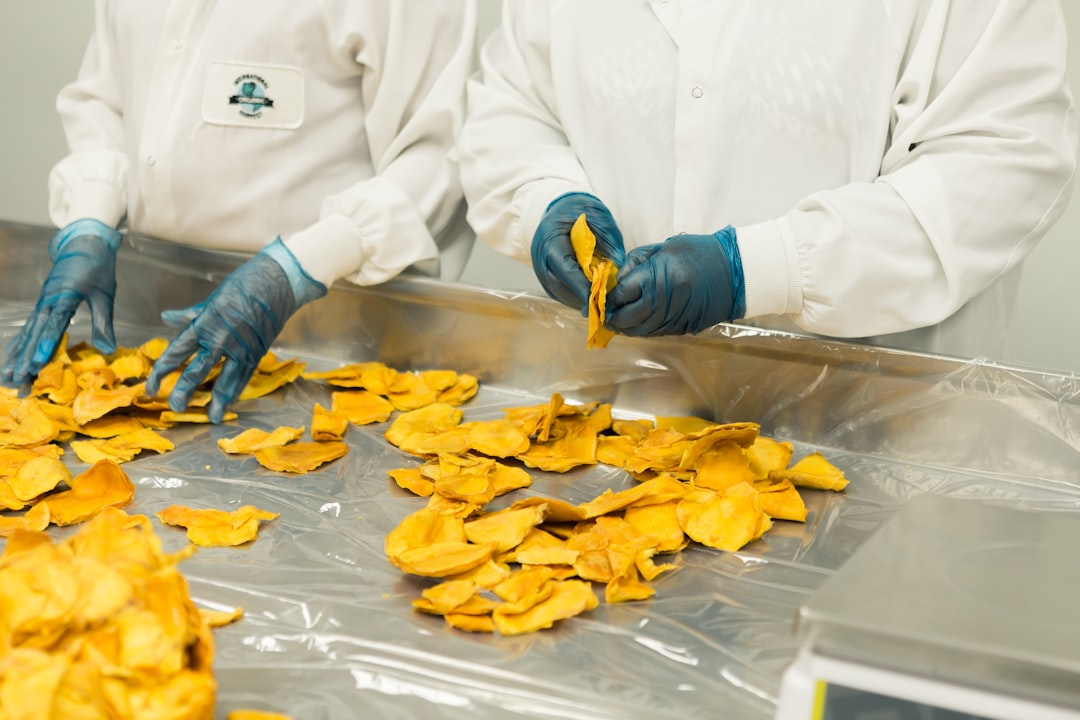
The diets react (see scores below)
Diet Ratings
Dried mango contains approximately 66g net carbs per 100g. Dehydration concentrates sugars dramatically. Completely incompatible with ketosis; even 1 ounce (28g) provides 18g net carbs.
Plant-based dried fruit. Minimal processing (dehydration only). May contain added sugars or processing aids, but no animal products.
Dried fruit concentrates natural sugars significantly, increasing glycemic load. While the base ingredient (mango) is paleo-approved, drying is a processing method that contradicts the whole-food philosophy. Often contains added sugars or sulfites as preservatives.
Some paleo practitioners accept dried fruits as occasional treats since they are minimally processed and contain no grains, legumes, or seed oils. Mark Sisson's Primal Blueprint is more permissive of dried fruits than strict Cordain-school paleo.
Dried fruits concentrate sugars and often contain added sugars. Mediterranean diet emphasizes fresh fruits; dried fruits acceptable occasionally but not regularly.
Plant-derived dried fruit with concentrated sugars. Carnivore diet excludes all fruits and plant foods. Drying concentrates plant sugars and does not change plant-based nature.
While dried fruit is technically allowed, many dried mango products contain added sugar. Must verify ingredient label for no added sugars.
Melissa Urban permits dried fruit on Whole30, but community members debate whether commercially dried mango typically contains added sugar, making it practically difficult to find compliant versions.
Dried mango is high in fructose and polyols due to dehydration concentrating sugars. Monash University testing confirms high-FODMAP status. Not recommended during elimination phase at any reasonable serving.
Concentrated fruit with high natural sugars and calories. While retaining some fiber and potassium, the sugar concentration and caloric density warrant moderation. Portion control essential.
NIH DASH guidelines limit added sugars; dried mango contains natural sugars at high concentration. Updated interpretation acknowledges nutrient retention but emphasizes portion limits due to glycemic impact.
Concentrated sugar source with ~80g carbs per 100g. Drying process removes water, dramatically increasing glycemic load. Incompatible with Zone carb targets.
Drying concentrates sugars dramatically, creating high glycemic load. Often contains added sugars and sulfites. Inflammatory sugar profile outweighs modest antioxidant content.
High sugar concentration (66g per 100g), high calorie density (314 cal per 100g), low fiber relative to calories, minimal protein. Dried fruits concentrate sugars and lose water content, making them poor choices for GLP-1 patients. Easy to overconsume despite reduced appetite.
Nutritional profile
Six traits that cut across every diet.
Fiber & Plants
How much whole-plant food and fiber it delivers.
Healthy Fats
The quality of its fats (unsaturated, omega-3).
Whole / Unprocessed
How close it is to its natural, unprocessed form.
Gut Gentle
How easy it is on digestion (low FODMAP, few irritants).
Low Glycemic
How little it spikes your blood sugar.
Protein Density
How much protein it packs per calorie.
Controversy Index
Score range: 1–9/10. Higher controversy = more disagreement between diets.
Diet-Specific Tips for Dried mango
 Vegan — 9/10
- 100% plant-based
- Minimal processing
- May contain added sugars
- No animal derivatives
 Paleo — 5/10
- Processing concentrates sugars
- High glycemic load
- Often contains additives
- Portion control critical
 Mediterranean — 4/10
- Concentrated sugars
- Often contains added sugars
- Processed form
- High caloric density
 Whole30 — 5/10
- dried fruit allowed
- added sugar risk
- label verification required
 DASH — 5/10
- High natural sugar concentration
- Calorie-dense
- Retains fiber and potassium
- Requires portion control
 GLP-1 Friendly — 4/10
- very high sugar
- high calorie density
- low fiber relative to calories
- easy to overconsume
- no water content