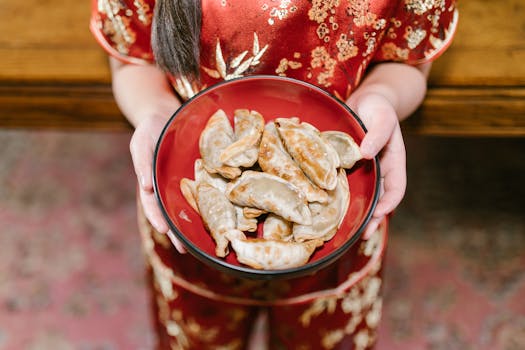
The diets react (see scores below)
Diet Ratings
Dumplings are wrapped in wheat flour dough, which is a grain-based carbohydrate. Even 3-4 dumplings contain 15-20g net carbs. Filling may contain added sugar in sauce.
Contains pork, a direct animal product. Wrapper may contain eggs.
Dumplings are wrapped in wheat flour dough, a grain product explicitly excluded from paleo. The filling may be acceptable, but the wrapper disqualifies the dish.
Refined wheat wrapper, processed pork filling, typically pan-fried or steamed with added sodium. Lacks whole grains, excessive processing, and contradicts Mediterranean protein preferences.
Pork filling is acceptable, but dumplings are wrapped in wheat dough (grain-based). The wrapper violates carnivore principles regardless of filling quality.
Dumplings are made with wheat flour wrapper, which is a grain. Excluded on Whole30.
Pork filling is low-FODMAP, but dumpling wrapper typically contains wheat (fructans). Dipping sauces often contain garlic or onion (high-FODMAP). Success depends on wrapper type and sauce.
Some practitioners suggest rice-paper dumplings or gluten-free wrappers as safer alternatives, though traditional wheat wrappers are portion-dependent for FODMAP status.
High in sodium from filling and wrapper, saturated fat from pork and preparation method (often pan-fried or steamed in high-sodium broth). Refined carbohydrate wrapper. Portion control difficult.
Pork provides lean protein (~15-20g per 3-4 dumplings), but wrapper is refined wheat flour (high-glycemic). Filling often contains added fat and sodium. Steamed version better than fried. Requires careful portioning and vegetable pairing.
Pork dumplings contain saturated fat and are typically pan-fried or deep-fried in seed oils. Refined wheat wrapper adds inflammatory carbohydrates. Steamed preparation would improve profile. Portion control and cooking method are critical.
Some sources accept pork dumplings in moderation if steamed rather than fried, and if pork is lean. Vegetable-filled dumplings would score higher (6-7).
Pork dumplings contain moderate protein but are typically high in fat (pork filling + oil in wrapper). Fried or pan-fried preparation worsens GLP-1 side effects. Steamed versions are better but still fatty. Portion control critical — easy to overeat despite reduced appetite.
Some RDs accept dumplings in moderation if steamed and paired with protein-rich dipping sauce (edamame, tofu-based), viewing them as acceptable cultural foods; others recommend avoiding due to fat content and easy overconsumption.
Nutritional profile
Six traits that cut across every diet.
Fiber & Plants
How much whole-plant food and fiber it delivers.
Healthy Fats
The quality of its fats (unsaturated, omega-3).
Whole / Unprocessed
How close it is to its natural, unprocessed form.
Gut Gentle
How easy it is on digestion (low FODMAP, few irritants).
Low Glycemic
How little it spikes your blood sugar.
Protein Density
How much protein it packs per calorie.
Controversy Index
Score range: 1–5/10. Higher controversy = more disagreement between diets.
Diet-Specific Tips for Dumpling (pork)
 Low-FODMAP — 5/10
- Wheat wrapper contains fructans
- Dipping sauce may contain garlic/onion
- Pork filling itself is low-FODMAP
- Serving size of wrappers matters
 Zone — 5/10
- Refined wheat wrapper
- Moderate protein content
- Portion control critical
- Steamed preferable to fried
 Anti-Inflammatory — 4/10
- saturated fat from pork
- refined wheat wrapper
- typically fried in omega-6 oils
- cooking method determines inflammatory load
 GLP-1 Friendly — 5/10
- moderate protein
- high fat content
- preparation method matters
- portion-prone food