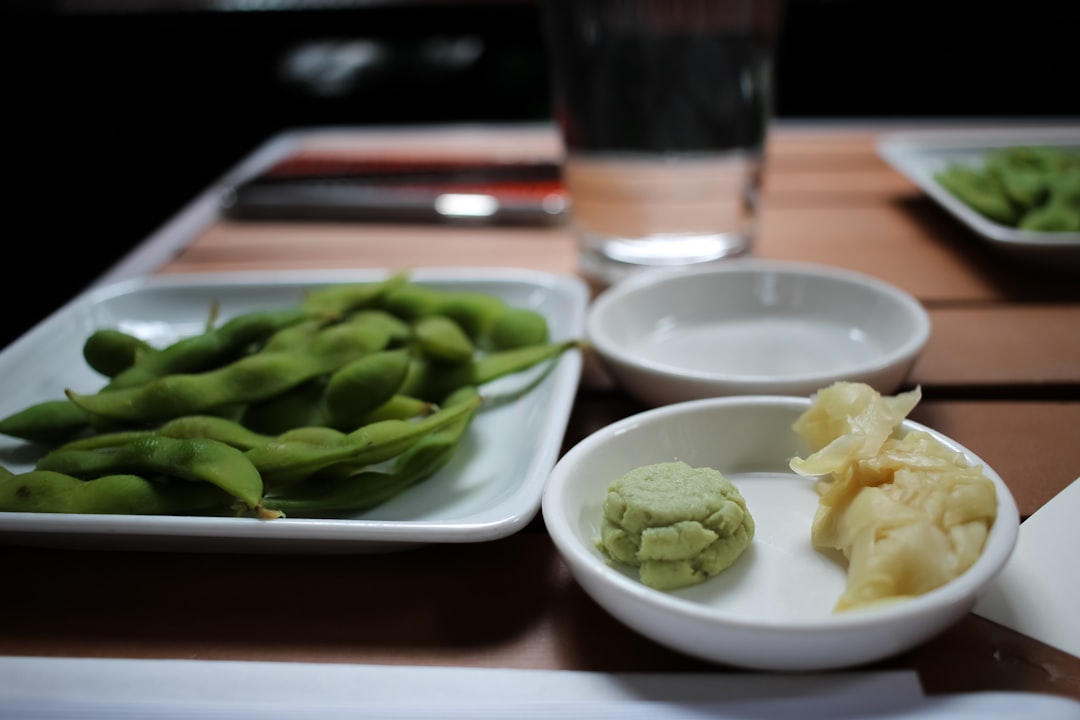
The diets react (see scores below)
Diet Ratings
Edamame contains ~6g net carbs per 100g and is relatively high in plant-based protein. Acceptable in small portions but carbs add up quickly. Some keto practitioners avoid legumes entirely due to carb content and anti-nutrients.
Strict keto and carnivore-leaning practitioners avoid all legumes including edamame due to higher carb density and phytic acid content, despite the protein benefit.
Whole plant food, legume-based with complete protein profile. No animal products or derivatives. Excellent nutritional density.
Edamame are immature soybeans and are explicitly excluded from paleo diets. Soy is a legume containing high levels of phytates, lectins, and goitrogens. The paleo community has clear consensus against all soy products regardless of processing stage.
Edamame are young soybeans providing complete plant-based protein, fiber, and essential nutrients. While not traditionally Mediterranean, they align with the diet's emphasis on legumes and plant-based proteins.
Plant-derived legume. Contains plant proteins, carbohydrates, and anti-nutrients. Completely excluded from carnivore diet.
Edamame are immature soybeans. Soy is explicitly excluded from Whole30 as a legume. Not compliant.
Edamame (immature soybeans) are high in GOS (galacto-oligosaccharides), a FODMAP. Monash University rates legumes as high-FODMAP due to oligosaccharide content.
Plant-based protein source rich in fiber, potassium, and magnesium. Excellent legume choice for DASH. Watch for added salt in prepared versions.
Dual macronutrient profile: ~11g carbs and ~11g protein per cup cooked. Can function as either protein or carb source, but requires careful portioning. Higher fat content (~8g per cup) than typical legumes. Useful for vegetarian Zone meals but less ideal than pure lean proteins.
Whole soy food (edamame) is specifically emphasized in Weil's pyramid. High in plant-based protein, omega-3 fatty acids, isoflavones, and fiber. Strong anti-inflammatory profile with minimal processing.
Excellent plant-based protein source (11g per 100g cooked). Good fiber (4g per 100g). Moderate fat but mostly unsaturated. Easy to digest and works well as a small-portion snack. Supports protein targets without excessive calories.
Nutritional profile
Six traits that cut across every diet.
Fiber & Plants
How much whole-plant food and fiber it delivers.
Healthy Fats
The quality of its fats (unsaturated, omega-3).
Whole / Unprocessed
How close it is to its natural, unprocessed form.
Gut Gentle
How easy it is on digestion (low FODMAP, few irritants).
Low Glycemic
How little it spikes your blood sugar.
Protein Density
How much protein it packs per calorie.
Controversy Index
Score range: 1–9/10. Higher controversy = more disagreement between diets.
Diet-Specific Tips for Edamame
 Keto — 5/10
- 6g net carbs per 100g
- 11g protein per 100g
- Legume (higher carb category)
- Portion control critical
 Vegan — 9/10
- whole plant food
- complete protein
- legume-based
- minimal processing
 Mediterranean — 8/10
- Complete plant protein source
- High fiber content
- Rich in minerals and vitamins
- Legume category alignment
 DASH — 8/10
- High protein
- High fiber
- Rich in potassium
- Sodium varies by preparation
 Zone — 6/10
- Moderate carbs
- Moderate protein
- Higher fat than typical legumes
- Requires careful portioning
 Anti-Inflammatory — 9/10
- whole soy food
- plant protein
- omega-3 fatty acids
- isoflavones
- fiber
 GLP-1 Friendly — 8/10
- high protein (plant-based)
- good fiber
- mostly unsaturated fat
- easy to digest
- portion-friendly snack