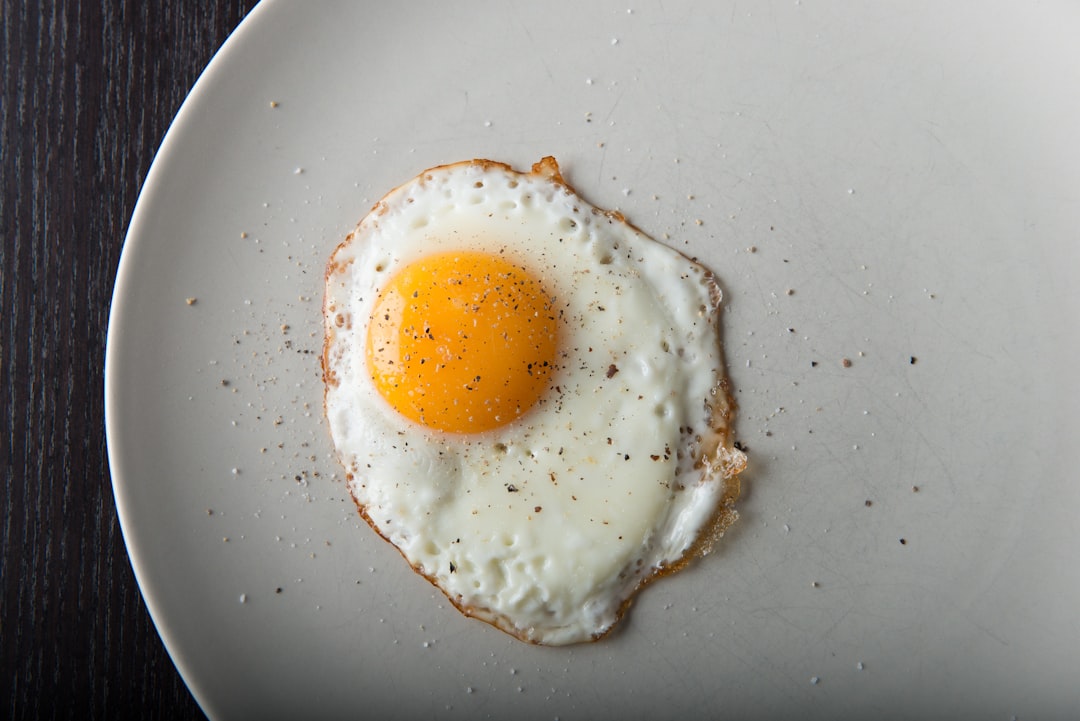
The diets react (see scores below)
Diet Ratings
Fried eggs contain ~0.4g net carbs per egg and 5g fat per egg (plus cooking fat). Perfect keto staple with complete amino acid profile, choline, and lutein. Minimal processing when cooked in butter or lard.
Eggs are animal products from birds. Veganism excludes all eggs regardless of preparation method.
Whole eggs are paleo-approved. Frying in appropriate fat (butter, coconut oil, ghee, or animal fat) maintains paleo compliance. Excellent nutrient density.
Fried eggs are acceptable but the cooking method matters. If fried in olive oil, it aligns better with Mediterranean principles. Eggs are encouraged in moderate amounts. Frying adds calories but olive oil is the preferred fat source, making this acceptable occasionally.
Some Mediterranean diet authorities prefer boiling or poaching to preserve nutritional integrity, while others accept frying in olive oil as traditional Mediterranean preparation.
Eggs are animal-derived and widely accepted by most carnivore practitioners. Fried in animal fat (butter, lard, tallow) maintains carnivore compatibility. Minimal processing and high nutrient density.
Strict Lion Diet adherents following Mikhaila Peterson's protocol exclude eggs as non-ruminant, consuming only ruminant meat, salt, and water, though this represents a minority position.
Whole eggs prepared simply are fully Whole30 compliant. Fried eggs with compliant cooking fat (olive oil, ghee, etc.) are approved.
Fried eggs are low-FODMAP at all reasonable servings per Monash University. Eggs are pure protein with no fermentable carbohydrates. Cooking method does not affect FODMAP status.
Eggs are acceptable on DASH, but frying adds saturated fat from cooking oil. One large fried egg contains ~7g fat (3g saturated). Boiling or poaching preferred. Acceptable occasionally but preparation method matters significantly.
Excellent protein and nutrient profile but cooking method adds fat (butter/oil). Macro balance depends entirely on cooking fat used. If fried in olive oil, becomes approve; if butter or seed oil, requires careful portioning.
Eggs are moderate in anti-inflammatory diet, but frying method matters significantly. Frying in seed oils or butter increases inflammatory load. Cooking method converts this from acceptable to questionable. Boiling or poaching would be preferable.
Some researchers argue whole eggs have neutral inflammatory profile due to choline and lutein content. However, the frying method (typically in inflammatory oils) is the primary concern here rather than the egg itself.
Excellent protein (6g per egg) but frying adds fat (5-7g depending on oil used). Fried preparation worsens nausea/bloating. Boiled, poached, or scrambled eggs are better. Acceptable if fried in minimal oil, but not ideal.
Some RDs view fried eggs as acceptable if prepared with minimal oil and tolerated individually. Others recommend avoiding fried preparation entirely during early GLP-1 treatment, reserving eggs for boiled or soft-cooked preparations.
Nutritional profile
Six traits that cut across every diet.
Fiber & Plants
How much whole-plant food and fiber it delivers.
Healthy Fats
The quality of its fats (unsaturated, omega-3).
Whole / Unprocessed
How close it is to its natural, unprocessed form.
Gut Gentle
How easy it is on digestion (low FODMAP, few irritants).
Low Glycemic
How little it spikes your blood sugar.
Protein Density
How much protein it packs per calorie.
Controversy Index
Score range: 1–10/10. Higher controversy = more disagreement between diets.
Diet-Specific Tips for Egg (fried)
 Keto — 10/10
- 0.4g net carbs per egg
- High-quality protein
- High fat when fried
- Nutrient-dense
- Minimal processing
 Paleo — 9/10
- unprocessed whole food
- complete protein
- nutrient-dense
- cooking fat must be paleo-compliant
 Mediterranean — 6/10
- Cooking method important
- Olive oil preferred for frying
- Moderate egg consumption acceptable
- Calorie-dense preparation
- Traditional Mediterranean cooking
 Carnivore — 8/10
- Animal-derived
- High in protein and micronutrients
- Minimal processing
- Fried in animal fat preferred
- Widely accepted by most practitioners
 Whole30 — 9/10
- Whole food
- No excluded ingredients
- Simple preparation
- Approved protein source
 Low-FODMAP — 9/10
- Pure protein source
- No fermentable carbohydrates
- Cooking method irrelevant to FODMAP status
 DASH — 5/10
- Added fat from frying
- Good protein source
- Cooking method critical
- Preparation alternatives available
 Zone — 6/10
- ~6g protein per egg
- ~5g fat from egg + cooking fat variable
- ~0.5g carbs
- Cooking method critical
- Nutrient-dense yolk
 Anti-Inflammatory — 5/10
- cooking method critical
- likely fried in inflammatory oils
- high heat oxidizes cholesterol
- eggs themselves contain choline and antioxidants
- preparation method determines inflammatory impact
 GLP-1 Friendly — 5/10
- High protein
- Added fat from frying
- Preparation method matters
- Individual tolerance varies