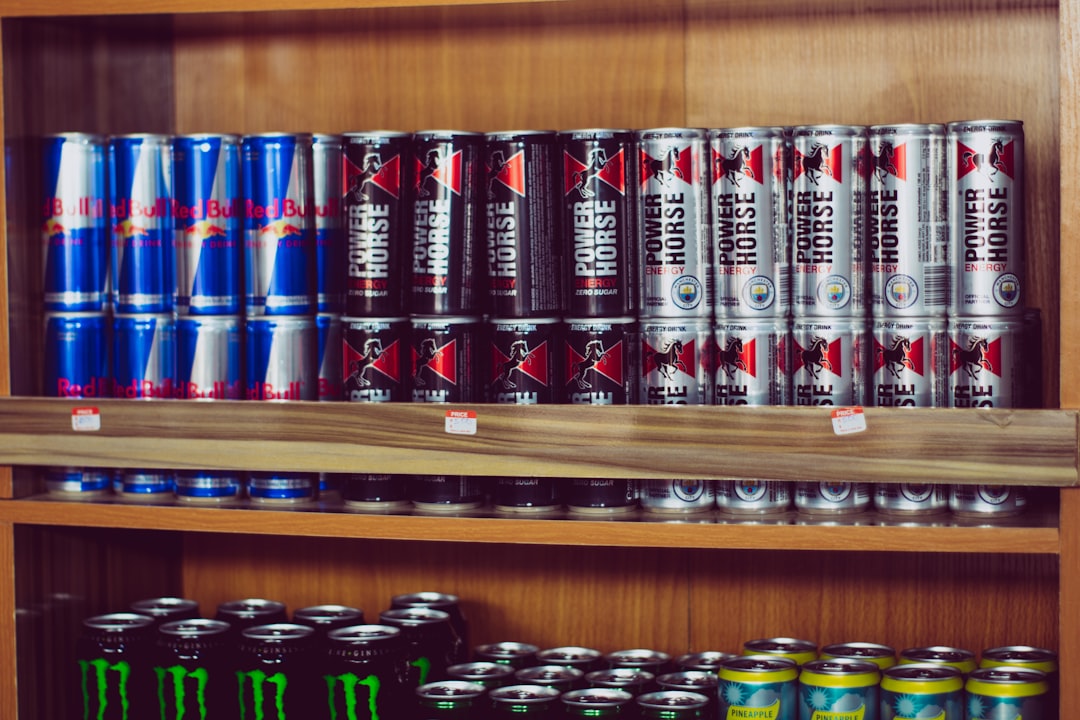
Energy drink (Monster/Red Bull)
Rated by 11 diets
The diets react (see scores below)
Diet Ratings
Standard energy drinks contain 27-54g net carbs per can from added sugars. Even 'sugar-free' versions use artificial sweeteners but may trigger insulin response. Incompatible with keto.
Most energy drinks are technically plant-based but heavily processed with synthetic ingredients. Some formulations may contain animal-derived additives like carmine (cochineal insect dye).
Some vegans avoid energy drinks entirely due to processing and health concerns, while others accept them if verified free of animal-derived colorants and additives.
Energy drinks contain high fructose corn syrup or artificial sweeteners, synthetic caffeine, taurine, and numerous additives. Explicitly violates paleo principles on processed foods and refined sugars.
Energy drinks are highly processed beverages with excessive added sugars, artificial sweeteners, high caffeine, and synthetic ingredients. They directly contradict Mediterranean diet principles emphasizing whole foods and minimal processing. These drinks have no place in a Mediterranean eating pattern.
Energy drinks contain sugar, artificial sweeteners, plant-derived caffeine, taurine (synthetic), and numerous plant-based additives. Highly processed with incompatible ingredients for carnivore diet.
Energy drinks contain added sugar (or artificial sweeteners), caffeine additives, taurine, and other processed ingredients. Multiple excluded components make these non-compliant.
Energy drinks vary by formulation. Sugar-free versions use artificial sweeteners (saccharin, aspartame) which are low-FODMAP. Regular versions contain high fructose corn syrup or excess sugar (high-FODMAP). Caffeine and additives are not FODMAPs. Sugar-free versions are safer; standard versions should be avoided.
Monash has not formally tested commercial energy drinks. Practitioners recommend sugar-free versions only, as regular energy drinks contain high-FODMAP sweeteners. Individual tolerance to caffeine and additives varies independently of FODMAP status.
Energy drinks contain 50-80g added sugars, high sodium (200-400mg), excessive caffeine, and artificial additives. Directly contradicts DASH guidelines limiting added sugars and sodium. Associated with increased blood pressure and cardiovascular risk.
Typical 8.4 oz serving contains 27-54g carbs (primarily high-fructose corn syrup or sugar), 0g protein, 0g fat, plus 80-160mg caffeine and taurine. Extreme glycemic load with no protein/fat. Impossible to balance in Zone meal. Pro-inflammatory sugar profile contradicts Zone anti-inflammatory protocol.
Extremely high added sugars (27-54g per serving), artificial sweeteners, excessive caffeine, and synthetic additives (taurine, guarana, artificial colors). Multiple inflammatory markers: refined sugar, artificial additives, excessive stimulants. Zero anti-inflammatory nutrients. Explicitly violates all anti-inflammatory guidelines.
Energy drinks contain high sugar (27-54g per can), high caffeine (80-300mg), artificial sweeteners, and carbonation. They cause blood glucose spikes, worsen nausea/reflux, increase dehydration (caffeine is a diuretic), and provide zero nutritional value. Carbonation causes bloating — a major GLP-1 side effect.
Nutritional profile
Six traits that cut across every diet.
Fiber & Plants
How much whole-plant food and fiber it delivers.
Healthy Fats
The quality of its fats (unsaturated, omega-3).
Whole / Unprocessed
How close it is to its natural, unprocessed form.
Gut Gentle
How easy it is on digestion (low FODMAP, few irritants).
Low Glycemic
How little it spikes your blood sugar.
Protein Density
How much protein it packs per calorie.
Controversy Index
Score range: 1–5/10. Higher controversy = more disagreement between diets.
Diet-Specific Tips for Energy drink (Monster/Red Bull)
 Vegan — 4/10
- Check for carmine or other insect-derived colorants
- Verify no animal-derived taurine (though synthetic versions exist)
- Heavily processed with artificial ingredients
- High sugar or artificial sweetener content
 Low-FODMAP — 5/10
- Sugar-free versions use low-FODMAP sweeteners
- Regular versions contain high-FODMAP sugars
- Caffeine is not a FODMAP
- Additives (taurine, B-vitamins) are not FODMAPs
- Formulation-dependent verdict