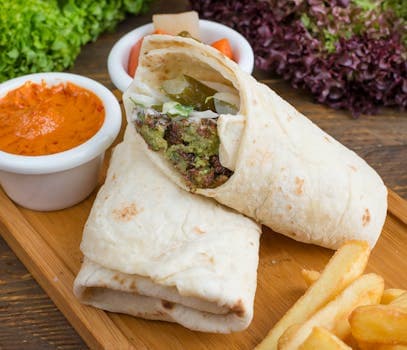
Diet Ratings
Falafel is made from chickpeas (legumes) containing 15-20g net carbs per serving. Wrap adds 15-25g additional carbs. Total carb load of 30-45g makes this incompatible with ketosis.
Falafel is made from chickpeas and spices, a whole plant-based legume product. Wrap is typically plant-based. Verify no dairy-based sauces or egg binders.
Falafel is made from chickpeas (legumes), explicitly excluded from paleo. Wrap is typically grain-based. Tahini contains sesame seeds (acceptable) but overall dish violates core rules.
Falafel is legume-based (positive), but typically deep-fried in oil, adding excessive calories and potentially unhealthy fats. Wrap bread may be refined. Mediterranean-compatible if baked, served with vegetables, tahini, and whole grain wrap.
iMiddle Eastern Mediterranean regions embrace falafel as traditional legume-based protein. Preparation method (baking vs. frying) and portion size determine compatibility more than the ingredient itself.
Falafel is made from chickpeas (legume), which is strictly plant-based. The wrap is grain-based. This dish contains zero carnivore-approved components and is entirely plant-derived.
Falafel is made from chickpeas (legumes, excluded). Wrap is typically grain-based (excluded). Both core components violate Whole30 rules.
Falafel is made from chickpeas (legumes high in GOS oligosaccharides). Wraps typically contain wheat (fructans). Tahini sauce often includes garlic. Multiple high-FODMAP ingredients make this unsuitable for elimination phase.
Falafel is legume-based (DASH-approved protein) and wraps often contain vegetables. However, falafel is deep-fried (high fat and calories) and often high in sodium. Tahini sauce adds fat. Acceptable if baked falafel used and portion-controlled.
iNIH DASH guidelines support legumes as protein sources; however, traditional deep-fried falafel preparation negates benefits. Some clinicians argue baked falafel wraps with vegetable-heavy fillings align with DASH principles.
Falafel is deep-fried chickpeas (high omega-6 seed oils, high-glycemic carbs). Wrap bread adds more high-glycemic carbs. Tahini adds fat but not enough lean protein. Inflammatory preparation and carb-heavy macro profile make Zone compliance nearly impossible.
Chickpeas provide fiber and polyphenols (anti-inflammatory), but falafel is deep-fried in oil (often inflammatory seed oils). Whole wheat wrap is positive, but frying method and tahini/oil content determine overall inflammatory load.
iSome anti-inflammatory advocates approve falafel if made with olive oil; others emphasize deep-frying negates legume benefits. Preparation method is critical.
Fried chickpea fritters are high in fat and calories. Wrap adds refined carbs. Moderate plant protein (8-10g) does not offset high fat content. Triggers nausea and bloating in GLP-1 patients. Poor digestibility.
Controversy Index
Score range: 1–8/10. Higher controversy = more disagreement between diets.