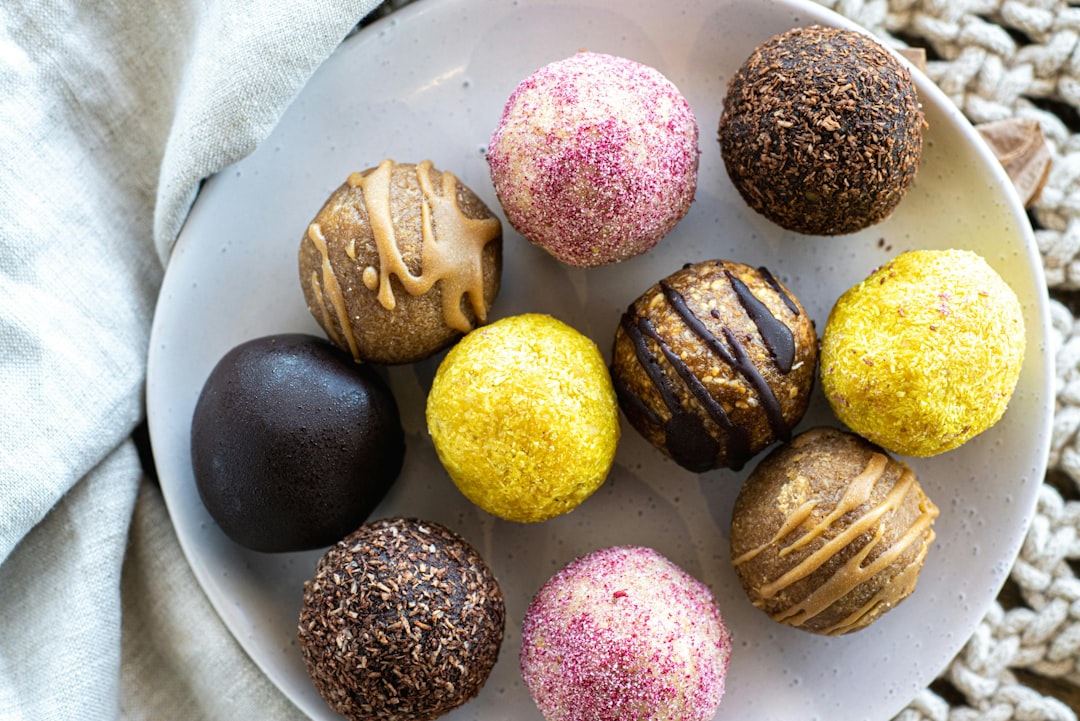
Fat bombs (keto)
Rated by 11 diets
The diets react (see scores below)
Diet Ratings
Purpose-formulated keto fat bombs are typically <2g net carbs with 80%+ calories from fat. Designed to fit macros and maintain ketosis when ingredients are verified.
Fat bombs vary widely; many contain butter, cream cheese, or other dairy. Plant-based versions using coconut oil or nut butters exist but are ultra-processed.
Some vegans accept plant-based fat bombs as legitimate convenience foods within a balanced diet, while others reject all keto-focused processed foods as unnecessary.
Typically made from paleo-compliant ingredients (butter, coconut oil, nuts, eggs) but are processed products designed for ketogenic diets. While ingredients may align with paleo, the ultra-processed nature and caloric density contradict paleo philosophy of whole foods.
Some paleo practitioners accept fat bombs as convenient whole-food-based snacks, particularly for those practicing intermittent fasting or needing portable nutrition. Others argue processed products violate paleo principles regardless of ingredient quality.
Highly processed, calorie-dense products designed for ketogenic diet. Contradicts Mediterranean emphasis on whole foods, plant-based focus, and balanced macronutrients. Often contain artificial sweeteners and lack nutritional density.
Typically made with animal fats and dairy, but often contain sweeteners, plant-based additives, or chocolate. Quality varies significantly by brand and recipe. Pure fat + animal products = approve; with additives = avoid.
Strict carnivores avoid all keto products due to artificial sweeteners and processing, while some practitioners use homemade fat bombs made only from butter, tallow, and salt.
Fat bombs are typically made with compliant ingredients (butter, coconut oil, nuts) but violate the spirit of Whole30 by recreating junk food/desserts. Whole30 discourages treating the program as a vehicle for indulgent foods.
Melissa Urban and official Whole30 guidelines explicitly prohibit recreating baked goods and junk food, even with compliant ingredients. Fat bombs fall into this category as they are dessert-like confections designed to satisfy sweet cravings.
Fat bombs are typically made from butter, cream, coconut oil, and nuts with minimal carbohydrates. They contain no significant FODMAP ingredients when made without high-FODMAP sweeteners (e.g., avoid honey, agave, high-fructose additions). Check ingredient labels for sweetener type.
Extremely high in saturated fat and total fat (often 15-25g per serving), typically made with butter, coconut oil, or cream cheese. Contradicts DASH limits on saturated fat and tropical oils. Minimal fiber, potassium, or other DASH-priority nutrients.
Fat bombs are high-fat, low-carb, minimal protein—designed for ketogenic ratios (70/20/10), not Zone (40/30/30). Can be used as fat blocks but lack protein balance required for Zone meals.
Dr. Sears' later writings acknowledge keto-adapted athletes, but Zone protocol prioritizes balanced macros at every meal. Fat bombs violate this principle unless paired with lean protein.
Composition varies widely. Those made with coconut oil, nuts, and dark chocolate may contain some anti-inflammatory elements (polyphenols, healthy fats). However, many contain butter, cream, and artificial sweeteners. High saturated fat content and lack of fiber/antioxidants limit anti-inflammatory benefit despite low sugar.
Strict anti-inflammatory advocates (Dr. Weil) would caution against high saturated fat content from butter and cream, prioritizing plant-based fats. Some keto-friendly sources argue MCT oil and coconut oil have metabolic benefits, though saturated fat remains a concern.
Extremely high fat (15-25g per serving), designed to be calorie-dense. GLP-1 medications significantly worsen nausea, bloating, and reflux with high-fat foods. No protein or fiber. Directly contradicts GLP-1 dietary needs.
Nutritional profile
Six traits that cut across every diet.
Fiber & Plants
How much whole-plant food and fiber it delivers.
Healthy Fats
The quality of its fats (unsaturated, omega-3).
Whole / Unprocessed
How close it is to its natural, unprocessed form.
Gut Gentle
How easy it is on digestion (low FODMAP, few irritants).
Low Glycemic
How little it spikes your blood sugar.
Protein Density
How much protein it packs per calorie.
Controversy Index
Score range: 1–8/10. Higher controversy = more disagreement between diets.
Diet-Specific Tips for Fat bombs (keto)
 Keto — 8/10
- Ultra-low net carbs (<2g typical)
- High fat content (primary ingredient)
- Minimal protein
- Requires ingredient verification
 Vegan — 5/10
- Often dairy-based
- Heavily processed
- Plant-based versions available
- High caloric density
 Paleo — 6/10
- processed product
- paleo-compliant ingredients possible
- high caloric density
- not a whole food
 Carnivore — 5/10
- Ingredient-dependent quality
- Often contains sweeteners
- May include plant-derived additives
- Processing level varies
 Whole30 — 5/10
- recreates junk food spirit
- dessert-like food
 Low-FODMAP — 8/10
- Low carbohydrate content
- No typical FODMAP ingredients
- Sweetener choice is critical
- Nuts may be low-FODMAP if portion-controlled
 Zone — 5/10
- excessive fat relative to protein
- keto-optimized, not Zone-optimized
- requires pairing with protein source
- typically contains saturated fat
 Anti-Inflammatory — 5/10
- saturated fat content
- artificial sweeteners
- lack of fiber and antioxidants
- ingredient-dependent quality
- high caloric density