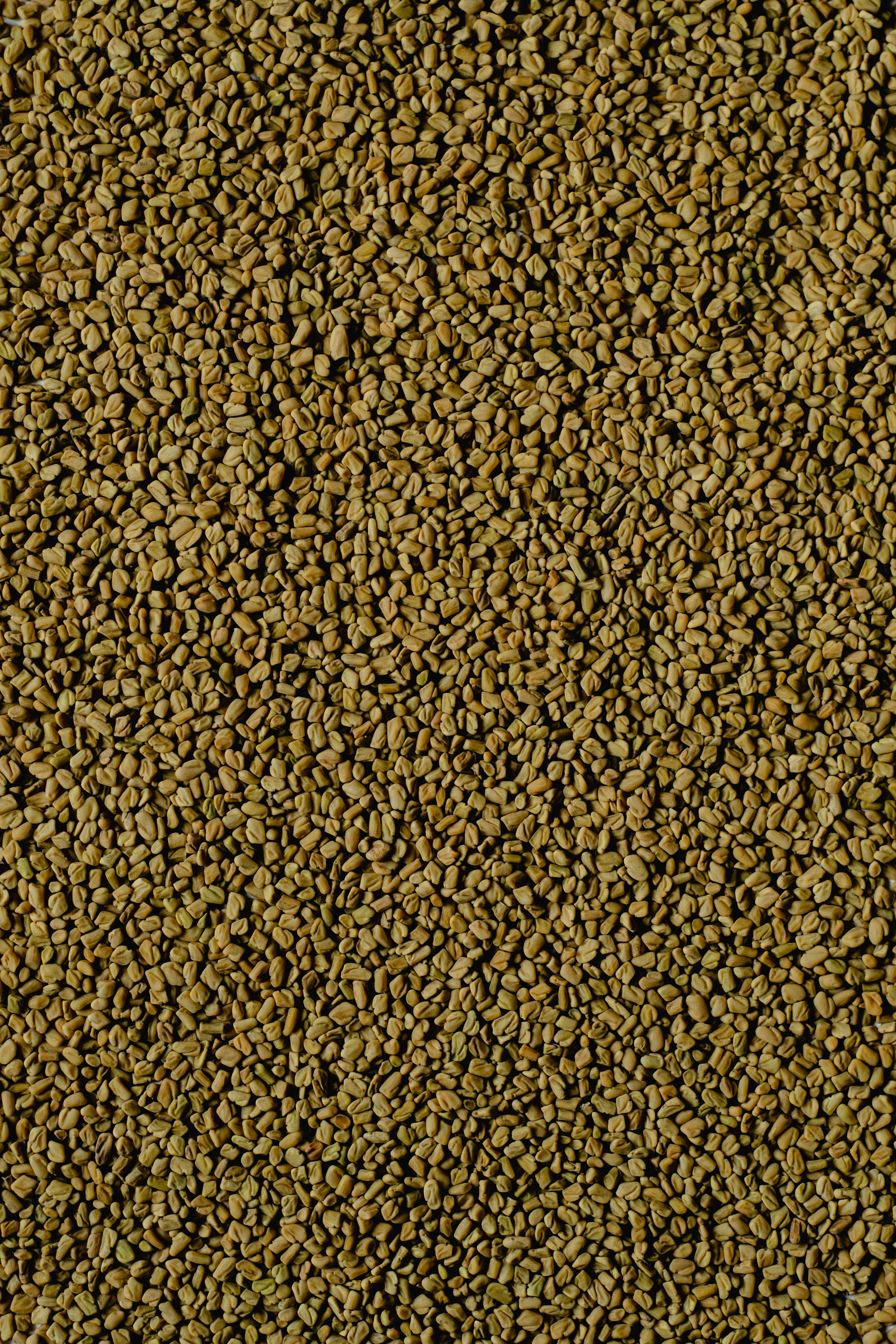
The diets react (see scores below)
Diet Ratings
Fenugreek seeds/powder contain ~2g net carbs per tablespoon but are used in tiny amounts (1/4 to 1/2 tsp typical). Negligible impact on daily carb count. Pure spice with no additives.
Dried seeds from the fenugreek plant. Pure plant-based spice with no animal products or derivatives.
Fenugreek is a dried herb/spice from the fenugreek plant. It is an unprocessed seasoning available to ancient peoples and contains no prohibited ingredients.
Traditional spice used in Mediterranean and Middle Eastern cuisines. Whole seed or ground form with no processing. Contains beneficial compounds and used historically in Mediterranean cooking. Adds flavor without added ingredients.
Plant-derived spice from fenugreek seeds. Violates core carnivore principle of excluding all plant foods and plant-based seasonings.
Fenugreek is a pure spice/herb with no excluded ingredients. It is a whole, unprocessed ingredient compliant with Whole30.
Limited Monash University testing on fenugreek seeds. Some clinical data suggests potential GOS content, but typical culinary amounts (small pinches) may be tolerated. Requires individual testing.
Monash University has limited data on fenugreek. Clinical FODMAP practitioners report mixed tolerance; some patients tolerate small amounts while others report symptoms. Serving size is critical.
Pure spice with negligible sodium and calories. Contains fiber and minerals. Supports DASH flavor enhancement without sodium or fat.
Fenugreek is a spice with negligible carbs and calories per typical serving. Contains compounds with potential anti-inflammatory properties. No glycemic impact. Excellent for flavoring Zone meals without macronutrient disruption.
Traditional medicinal spice with documented anti-inflammatory and antioxidant properties. Contains polyphenols and compounds that may help regulate blood sugar. Supports anti-inflammatory diet principles through phytochemical content.
Spice with negligible calories, no fat, and potential blood sugar stabilization properties (studied in diabetes management). Adds flavor to lean proteins and vegetables without triggering nausea or reflux.
Nutritional profile
Six traits that cut across every diet.
Fiber & Plants
How much whole-plant food and fiber it delivers.
Healthy Fats
The quality of its fats (unsaturated, omega-3).
Whole / Unprocessed
How close it is to its natural, unprocessed form.
Gut Gentle
How easy it is on digestion (low FODMAP, few irritants).
Low Glycemic
How little it spikes your blood sugar.
Protein Density
How much protein it packs per calorie.
Controversy Index
Score range: 1–9/10. Higher controversy = more disagreement between diets.
Diet-Specific Tips for Fenugreek
 Keto — 9/10
- Minimal carbs per typical serving
- Used in small quantities
- Pure spice
- No added sugars
 Vegan — 9/10
- Plant-based seed
- Whole food spice
- No processing concerns
 Paleo — 9/10
- Dried herb
- Unprocessed
- No additives
- Natural spice
 Mediterranean — 8/10
- traditional Mediterranean spice
- whole or minimally processed
- historically used
- beneficial compounds
 Whole30 — 9/10
- Pure spice
- No excluded ingredients
- Whole food
 Low-FODMAP — 5/10
- Minimal Monash testing available
- Potential GOS content unclear
- Typical culinary use involves very small amounts
 DASH — 8/10
- Minimal sodium
- Fiber content
- Mineral-rich
- No added ingredients
 Zone — 8/10
- Negligible carbohydrate content
- Minimal caloric impact
- Potential anti-inflammatory compounds
- No glycemic load
 Anti-Inflammatory — 7/10
- polyphenol content
- traditional anti-inflammatory use
- blood sugar regulation
- antioxidant compounds
 GLP-1 Friendly — 8/10
- zero calories per serving
- blood sugar support
- no GLP-1 triggers
- enhances nutrient-dense foods