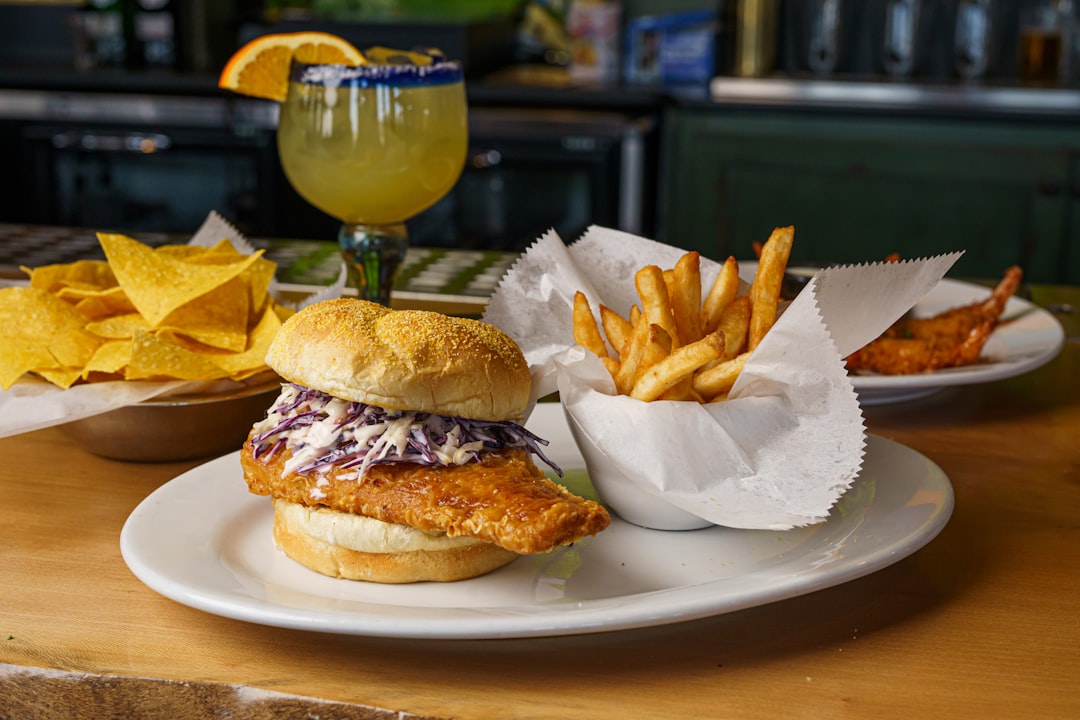
Fish sandwich (fast food)
Rated by 11 diets
How the diets react
Diet Ratings
Fish sandwiches contain breaded fish (carbs from breading) and bread bun (20-30g net carbs total). The bread foundation makes it incompatible with keto. Fish alone would be approved.
Contains fish, an animal product. Batter may contain eggs. Tartar sauce typically contains dairy. Multiple animal-derived ingredients make this incompatible with vegan diet.
Fish sandwich contains grain-based bun (major violation), breaded/fried fish (processed with grain coating and seed oils), and condiments with added sugar. The bun alone disqualifies it; processing compounds the issue.
Fast food fish sandwich typically features breaded and fried fish, refined grain bun, and high-fat condiments. While fish is encouraged, deep frying and processed preparation contradict Mediterranean principles. High in trans fats and sodium.
Fish sandwich contains a bread bun (grain), breading (grain-based), and plant-based condiments. While fish is animal-derived, the overall product is grain-heavy and incompatible with carnivore diet.
Fish sandwich contains grain bread (excluded), likely breaded/fried in non-compliant oil, and fast food condiments with added sugar. Multiple violations.
Fish is low-FODMAP, but fast-food fish sandwiches use wheat buns (fructans). Tartar sauce may contain garlic or high-fructose ingredients. Lettuce and tomato are low-FODMAP.
Monash rates fish as low-FODMAP, but wheat buns contain fructans. Clinical practitioners recommend gluten-free buns or removing the bun.
Fast food fish sandwich is typically deep-fried (high trans fat and total fat), high in sodium, and served on refined bread. While fish is DASH-approved, the preparation method and added ingredients negate benefits. Tartar sauce adds saturated fat and sodium.
Fish sandwich uses high-glycemic white bread bun and typically deep-fried fish (trans fat, omega-6 heavy). Tartar sauce adds saturated fat and sugar. While fish provides omega-3s, preparation method negates benefits. Bread dominates macronutrient profile.
Despite fish being anti-inflammatory, fast food fish sandwiches are typically deep-fried in seed oils (high omega-6, trans fats), served on refined white bread, with tartar sauce (mayonnaise-based, seed oils). Processing and cooking methods destroy omega-3 benefits and create inflammatory compounds.
Fast food fish sandwich is typically deep-fried, making it high fat (15-20g), high calories (400-500), and high sodium. Refined grain bun adds empty calories with minimal fiber. Fish provides protein (15-18g) and omega-3s, but frying negates digestibility benefits. Tartar sauce adds more fat and sugar. Fried preparation is a major GLP-1 side effect trigger. Better protein source than beef burger, but frying method disqualifies it.
Controversy Index
Score range: 1–4/10. Higher controversy = more disagreement between diets.