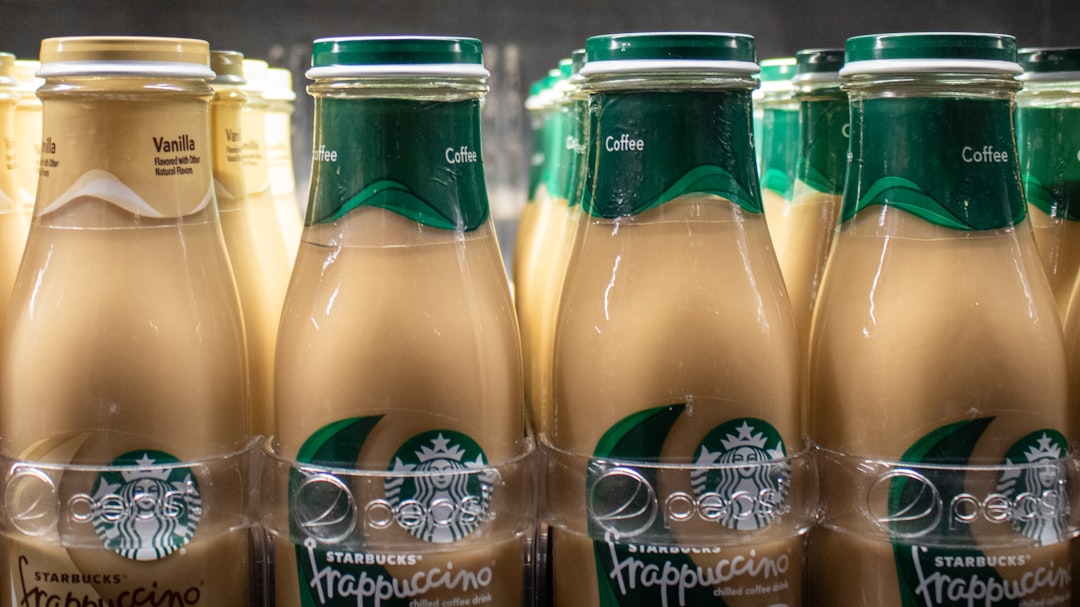
Frappuccino-style coffee drink
Rated by 11 diets
The diets react (see scores below)
Diet Ratings
Typical frappuccinos contain 40-60g net carbs per serving from added syrups, sweetened condensed milk, and whipped cream. Incompatible with ketosis.
Most commercial frappuccinos contain dairy-based whipped cream and milk. Plant-based versions exist but are heavily processed with added sugars and artificial ingredients.
Contains refined sugar, dairy (milk), and processed additives. Violates multiple paleo principles: added sugars, dairy, and artificial ingredients.
High in added sugars, refined carbohydrates, and often contains artificial ingredients. Contradicts Mediterranean emphasis on whole foods and minimal processed items. Excessive sugar intake conflicts with diet principles.
Contains plant-derived coffee, added sugars, syrups, milk (often non-full-fat), and artificial ingredients. Multiple violations of carnivore principles.
Frappuccinos typically contain added sugar, dairy (milk or cream), and often syrups. Even sugar-free versions may contain artificial sweeteners or other non-compliant ingredients.
Frappuccinos typically contain high-fructose corn syrup, excess fructose, and lactose (milk-based). Even if made with lactose-free milk, the added syrups and sweeteners create a high-FODMAP beverage.
High in added sugars (typically 50-70g per serving), high in saturated fat from whipped cream and full-fat dairy, excessive calories. Contradicts DASH emphasis on limiting sweets and sugary beverages.
Typically 50+ grams of sugar with minimal protein and poor macronutrient ratio. High-glycemic carbs cause insulin spike incompatible with Zone principles.
Typically contains high added sugars (30-50g per serving), refined carbohydrates, and often includes whipped cream and syrups. High sugar content drives inflammation and insulin spikes. Lacks anti-inflammatory compounds despite coffee base.
High sugar content (40-60g per serving), high fat (whipped cream, whole milk base), carbonated or aerated (causes bloating), empty calories, worsens nausea and reflux. No protein or fiber benefit.
Nutritional profile
Six traits that cut across every diet.
Fiber & Plants
How much whole-plant food and fiber it delivers.
Healthy Fats
The quality of its fats (unsaturated, omega-3).
Whole / Unprocessed
How close it is to its natural, unprocessed form.
Gut Gentle
How easy it is on digestion (low FODMAP, few irritants).
Low Glycemic
How little it spikes your blood sugar.
Protein Density
How much protein it packs per calorie.
Controversy Index
Score range: 2–4/10. Higher controversy = more disagreement between diets.
Diet-Specific Tips for Frappuccino-style coffee drink
 Vegan — 4/10
- Typically contains dairy whipped cream
- High sugar content
- Heavily processed
- Vegan versions available at some chains