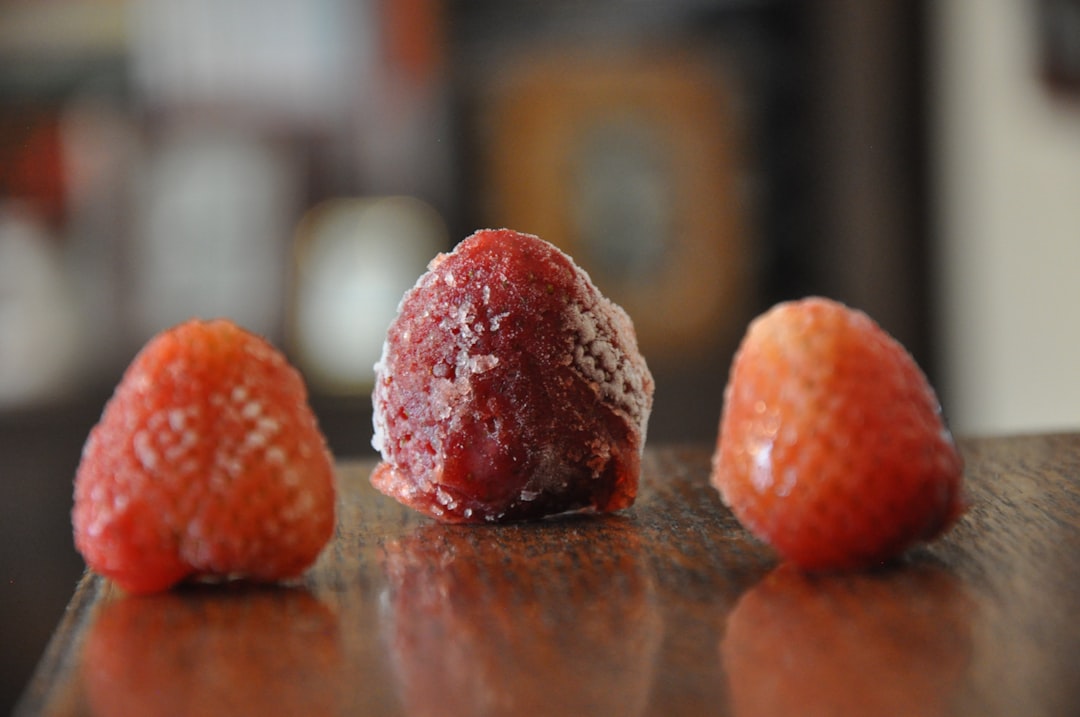
Freeze-dried strawberries
Rated by 11 diets
The diets react (see scores below)
Diet Ratings
Freeze-drying concentrates carbs: ~7g net carbs per ounce. Small portions (0.25 oz) fit keto, but easy to overconsume. Mainstream keto allows tiny amounts; strict practitioners avoid all fruit.
Strict/clinical keto protocols exclude freeze-dried fruit entirely due to concentrated sugar and carb density, while flexible keto practitioners allow 0.25-0.5 oz portions as occasional treats.
Whole fruit with water removed through freeze-drying. Minimal processing, no additives, fully plant-based. Retains nutrients and fiber.
Freeze-drying is a minimal processing method that preserves the fruit without adding sugars, oils, or additives. Strawberries are paleo-approved fruits. No added ingredients or processing that contradicts paleo principles.
Whole fruit product with no added sugars or processing beyond dehydration. Retains nutritional value and fiber. Aligns with Mediterranean emphasis on fruits consumed multiple times daily. Convenient form of whole fruit.
Fruit is plant-derived and explicitly excluded from carnivore diet. Freeze-drying does not change the fundamental plant origin or carbohydrate content.
Freeze-dried fruit is whole, unprocessed fruit with water removed. No added sugar or excluded ingredients. Compliant as a snack or recipe ingredient.
Strawberries are low-FODMAP at standard servings (150 g fresh or ~30 g freeze-dried per Monash). Freeze-drying concentrates the fruit but does not create new FODMAPs. A typical serving of freeze-dried strawberries remains low-FODMAP.
Core DASH fruit. Retains fiber, potassium, and antioxidants from fresh strawberries. No added sodium or sugar (unless sweetened variety). Nutrient-dense and supports DASH emphasis on fruits.
Low-glycemic fruit with polyphenols and fiber. Freeze-drying concentrates nutrients without adding sugar. Fits Zone fruit allowance (2 servings/day) and supports anti-inflammatory goals.
Freeze-drying concentrates antioxidants, polyphenols, and vitamin C while removing water. Strawberries are rich in ellagic acid and anthocyanins with strong anti-inflammatory properties. No added sugars in pure freeze-dried form. Bioavailability of compounds remains high.
Good fiber (2-3g per ounce) and micronutrients, low fat, but concentrated sugar (natural) and very low protein. Portion-sensitive—easy to overeat due to small volume and sweet taste. Works better mixed into protein-rich foods (yogurt, cottage cheese) than eaten alone.
Some RDs recommend freeze-dried fruit freely as nutrient-dense whole food; others caution that the concentrated sweetness can trigger cravings or GI distress on an empty stomach, especially early in GLP-1 treatment.
Nutritional profile
Six traits that cut across every diet.
Fiber & Plants
How much whole-plant food and fiber it delivers.
Healthy Fats
The quality of its fats (unsaturated, omega-3).
Whole / Unprocessed
How close it is to its natural, unprocessed form.
Gut Gentle
How easy it is on digestion (low FODMAP, few irritants).
Low Glycemic
How little it spikes your blood sugar.
Protein Density
How much protein it packs per calorie.
Controversy Index
Score range: 1–9/10. Higher controversy = more disagreement between diets.
Diet-Specific Tips for Freeze-dried strawberries
 Keto — 5/10
- Concentrated carbs (7g per oz)
- Portion control critical
- Fructose content
- Easy to overeat
 Vegan — 9/10
- Whole fruit product
- Minimal processing
- No animal ingredients
- Nutrient-dense
 Paleo — 8/10
- whole fruit source
- minimal processing (freeze-drying only)
- no added sugars or additives
- nutrient-dense
 Mediterranean — 8/10
- whole fruit
- no added sugars
- retains fiber and nutrients
- convenient fruit option
 Whole30 — 9/10
- whole fruit
- no added sugar
- minimally processed
 Low-FODMAP — 8/10
- Strawberries are low-FODMAP fruit
- Freeze-drying does not increase FODMAP content
- Portion control recommended (30 g standard serving)
- No added sweeteners assumed
 DASH — 8/10
- Rich in fiber and potassium
- Antioxidants preserved
- Low sodium
- No added sugars (unsweetened)
 Zone — 8/10
- low-glycemic fruit
- polyphenol-rich
- fiber-preserved through freeze-drying
- fits 2-fruit daily allowance
 Anti-Inflammatory — 8/10
- concentrated antioxidants
- polyphenols and ellagic acid
- vitamin C preservation
- no added sugars
- high fiber content
 GLP-1 Friendly — 5/10
- good fiber
- low protein
- concentrated sugar
- portion-sensitive
- nutrient-dense