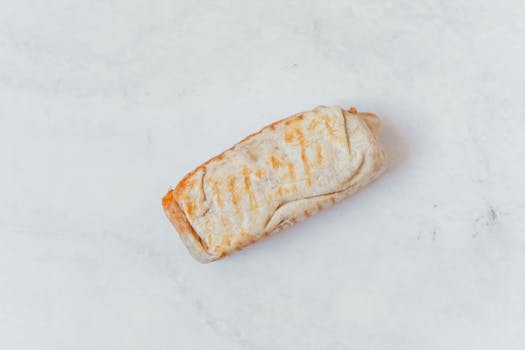
Frozen burrito
Rated by 11 diets
The diets react (see scores below)
Diet Ratings
Frozen burritos typically contain 35-50g net carbs from tortilla, beans, and rice. Most contain added sugars and refined carbohydrates incompatible with ketosis.
Many frozen burritos contain animal products (cheese, meat, sour cream) but some are fully plant-based. Requires label verification. Heavily processed even when vegan.
Some vegans accept processed vegan convenience foods as pragmatic choices for accessibility, while whole-food advocates discourage them regardless of vegan status.
Burritos contain wheat tortillas (grain), likely legumes (beans), processed ingredients, and added salt/preservatives. Multiple paleo violations.
Highly processed with refined grains, added sodium, preservatives, and often saturated fats. Contradicts Mediterranean emphasis on whole, minimally processed foods.
Frozen burritos contain tortillas (grain), beans (legumes), rice (grain), and typically vegetable fillings. Multiple plant-based components make this fundamentally non-carnivore. Often contains added sugars and preservatives.
Tortilla wrapper is grain-based (excluded). Likely contains legumes, added sugar, and processed ingredients. Multiple violations.
Most frozen burritos contain wheat tortillas (fructans) and fillings with onion/garlic or beans (GOS, fructans). Even low-FODMAP fillings paired with wheat tortilla exceed limits.
Extremely high sodium (often 800-1200mg per burrito), high saturated fat, processed ingredients. Directly contradicts DASH sodium limits.
Typically contains refined flour tortilla, processed fillings, added sugars, and trans fats. Macro ratios are heavily carb-skewed with poor protein quality. Nutritionally empty by Zone standards.
Highly processed with refined flour tortilla, added sugars, sodium, and likely trans fats or partially hydrogenated oils. Contains inflammatory seed oils and artificial additives. Pro-inflammatory profile throughout.
Typically high in sodium, saturated fat, and refined carbohydrates. Protein varies widely (8-15g) but often insufficient. Ultra-processed with low nutrient density per calorie. High fat content will worsen GLP-1 side effects like nausea and bloating.
Nutritional profile
Six traits that cut across every diet.
Fiber & Plants
How much whole-plant food and fiber it delivers.
Healthy Fats
The quality of its fats (unsaturated, omega-3).
Whole / Unprocessed
How close it is to its natural, unprocessed form.
Gut Gentle
How easy it is on digestion (low FODMAP, few irritants).
Low Glycemic
How little it spikes your blood sugar.
Protein Density
How much protein it packs per calorie.
Controversy Index
Score range: 1–5/10. Higher controversy = more disagreement between diets.
Diet-Specific Tips for Frozen burrito
 Vegan — 5/10
- Highly variable by brand and variety
- Often contains cheese or meat
- Processed food even if plant-based
- Label reading essential