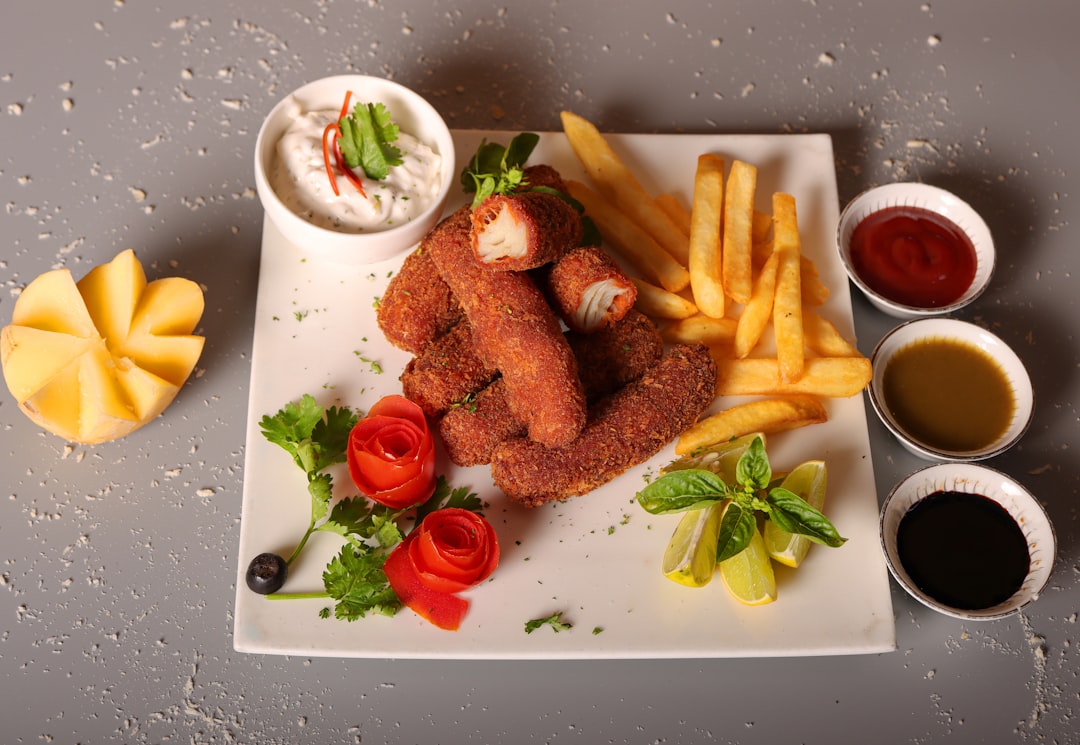
Frozen fish sticks
Rated by 11 diets
The diets react (see scores below)
Diet Ratings
Breading adds 5-8g net carbs per serving. Fish is excellent protein/fat, but coating makes portion control critical. Acceptable in small quantities.
Strict keto practitioners avoid breaded foods entirely due to refined grain content and potential for carb creep; lazy keto users consume standard portions if carbs fit daily budget.
Fish sticks are breaded fish fillets, making them explicitly non-vegan. Fish is an animal product regardless of processing method.
Breaded coating (grain), processed fish, typically fried in seed oil, contains additives and preservatives.
Heavily processed, breaded with refined grains, often contains additives and preservatives. While fish is encouraged, this form contradicts the emphasis on whole, minimally processed foods.
Breaded with wheat flour and often contains sugar, corn starch, and plant-based binders. While fish is carnivore-approved, the processing and plant-based coating make this incompatible.
Breaded with grain flour, typically contains added sugars, soy lecithin (though no longer excluded per 2024 rules), and other additives. Breading is the primary disqualifier.
Fish is low-FODMAP, but breading is typically wheat-based (fructans). Some brands use low-FODMAP breadings. Depends on specific product formulation and portion.
Monash rates plain fish as low-FODMAP, but wheat breading is problematic. Practitioners may approve fish sticks with gluten-free or low-FODMAP breading; standard wheat-breaded versions should be avoided.
Fish is DASH-approved, but frozen breaded sticks are heavily processed with added sodium (400-600mg per serving), saturated fat from breading and frying, and often contain trans fats. Baked preparation and sodium content are critical variables.
Updated clinical interpretation recognizes that even processed fish retains omega-3 benefits; however, NIH DASH guidelines prioritize fresh/minimally processed fish to control sodium and avoid trans fats.
Breaded coating adds refined carbs and increases glycemic load. Fish is excellent lean protein, but breading undermines Zone compatibility. Baking instead of frying helps. Requires careful portioning and pairing with low-glycemic vegetables.
Fish provides omega-3s (anti-inflammatory), but breading is typically refined carbohydrates and may contain trans fats. Freezing process and additives are concerns. Better than red meat but inferior to fresh fish.
Some nutritionists view frozen fish sticks more favorably as a convenient omega-3 source, especially for those avoiding processed meats. The omega-3 benefit may outweigh breading concerns in moderation.
Breaded and often fried or baked in oil, adding unnecessary fat. Fish provides good protein and omega-3s, but breading adds refined carbs and fat. Typically 8-12g fat per 3-4 stick serving. Better than fried chicken but inferior to unbreaded baked fish. Digestibility is reasonable. Works in moderation if baked (not fried) and paired with high-fiber sides.
Some RDs accept frozen fish sticks as a convenient, accessible protein source for patients who struggle with fresh fish preparation; others recommend unbreaded frozen fish fillets as nutritionally superior.
Nutritional profile
Six traits that cut across every diet.
Fiber & Plants
How much whole-plant food and fiber it delivers.
Healthy Fats
The quality of its fats (unsaturated, omega-3).
Whole / Unprocessed
How close it is to its natural, unprocessed form.
Gut Gentle
How easy it is on digestion (low FODMAP, few irritants).
Low Glycemic
How little it spikes your blood sugar.
Protein Density
How much protein it packs per calorie.
Controversy Index
Score range: 1–5/10. Higher controversy = more disagreement between diets.
Diet-Specific Tips for Frozen fish sticks
 Keto — 5/10
- breading adds refined carbs
- quality fish underneath
- portion-dependent viability
 Low-FODMAP — 5/10
- Wheat breading (fructans)
- Fish base (low-FODMAP)
- Brand-specific ingredients
 DASH — 5/10
- High sodium from processing
- Saturated fat from breading
- Potential trans fats
- Omega-3 content reduced by processing
- Preparation method matters
 Zone — 4/10
- refined carbohydrate breading
- lean protein base (fish)
- preparation method (fried vs. baked)
- portion control needed
- requires vegetable pairing
 Anti-Inflammatory — 4/10
- omega-3 content from fish
- refined carbohydrate breading
- potential trans fats
- additives and preservatives
 GLP-1 Friendly — 5/10
- breaded preparation adds fat
- good protein content
- omega-3 fats present
- refined carbs in coating
- convenience factor