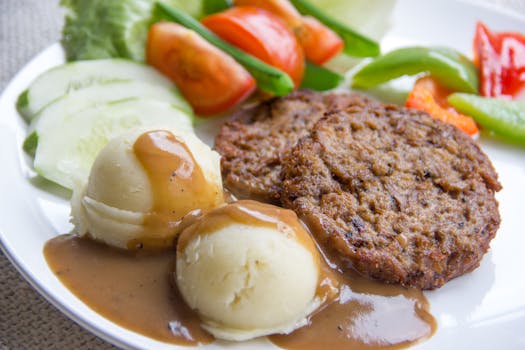
Frozen veggie burger
Rated by 11 diets
The diets react (see scores below)
Diet Ratings
Most veggie burgers contain soy, grains, starches, and added sugars. Net carbs typically range 8-15g per patty. Plant-based protein sources used are often high-carb legumes. Incompatible with ketogenic macros.
Plant-based and vegan-compliant, but heavily processed with additives, binders, and preservatives. Lacks whole-food nutrition profile.
Veggie burgers are typically made from legumes (soy, lentils, beans), grains, and processed binders. Legumes are explicitly excluded from paleo. Highly processed.
Plant-based protein source aligns with Mediterranean emphasis on plant foods, but typically ultra-processed with binders, additives, and refined ingredients. Better than meat-based fast food but not a staple.
Some Mediterranean diet advocates view processed plant-based alternatives skeptically, preferring whole legumes and vegetables. Others accept them as convenient modern adaptations supporting plant-forward eating.
Veggie burgers are plant-based products made from legumes, grains, vegetables, and binders. Completely incompatible with carnivore diet which excludes all plant foods.
Veggie burgers typically contain legumes (soy, beans, lentils) which are explicitly excluded. They are also a recreated junk food mimicking burger patties.
Most veggie burgers contain soy (GOS), wheat (fructans), onion, and garlic. Even if some ingredients are low-FODMAP, the combination typically exceeds safe limits.
Some specialty low-FODMAP veggie burgers exist, but standard commercial versions are high-FODMAP. Check ingredient list carefully.
Plant-based protein is DASH-aligned, but many brands contain 400-600mg sodium per patty and added binders/fillers. Quality varies significantly. Better than beef burger but requires label checking for sodium and saturated fat.
NIH DASH guidelines support plant-based proteins; however, some veggie burgers are ultra-processed with sodium levels approaching processed meat products, creating debate about net cardiovascular benefit.
Plant-based protein source (soy or legume-based) with carbs, but often contains added sugars, binders, and seed oils. Macro balance depends heavily on brand and preparation. Requires pairing with low-glycemic vegetables and monounsaturated fat.
Dr. Sears prefers animal proteins for amino acid profile completeness. Some Zone practitioners accept veggie burgers as viable protein blocks if sugar content is <2g per patty and paired correctly.
Plant-based protein source with vegetables, but often contains binders, fillers, and processed ingredients. Quality varies significantly by brand. Some contain soy (anti-inflammatory) while others use refined grains and added oils. Better than beef burger but not ideal.
Whole food advocates prefer whole soy foods (tofu, tempeh) over processed veggie burgers. However, some nutritionists view them as acceptable convenience foods that reduce red meat consumption.
Provides plant-based protein and fiber, but many brands contain added oils, binders, and ultra-processed ingredients. Fat content varies widely by brand (3-10g per patty). Quality and digestibility depend heavily on specific product formulation.
Some RDs recommend veggie burgers as convenient protein sources for GLP-1 patients, while others caution that ultra-processing and variable fat content make them less ideal than whole-food protein sources. Specific brand matters significantly.
Nutritional profile
Six traits that cut across every diet.
Fiber & Plants
How much whole-plant food and fiber it delivers.
Healthy Fats
The quality of its fats (unsaturated, omega-3).
Whole / Unprocessed
How close it is to its natural, unprocessed form.
Gut Gentle
How easy it is on digestion (low FODMAP, few irritants).
Low Glycemic
How little it spikes your blood sugar.
Protein Density
How much protein it packs per calorie.
Controversy Index
Score range: 1–6/10. Higher controversy = more disagreement between diets.
Diet-Specific Tips for Frozen veggie burger
 Vegan — 6/10
- plant-based
- processed
- additives
- convenient protein source
 Mediterranean — 4/10
- plant-based
- ultra-processed
- additives and binders
- convenience factor
 DASH — 6/10
- Plant-based protein
- Variable sodium content
- Processing level varies
- Check ingredient list
 Zone — 5/10
- Plant-based protein
- Variable sugar content
- Often contains seed oils
- Requires careful pairing
 Anti-Inflammatory — 5/10
- plant-based protein
- processed ingredients
- variable quality by brand
- potential soy content (beneficial)
- added oils and binders
 GLP-1 Friendly — 5/10
- Plant-based protein source
- Fiber content
- Ultra-processed ingredients
- Variable fat content by brand
- Digestibility concerns with some formulations