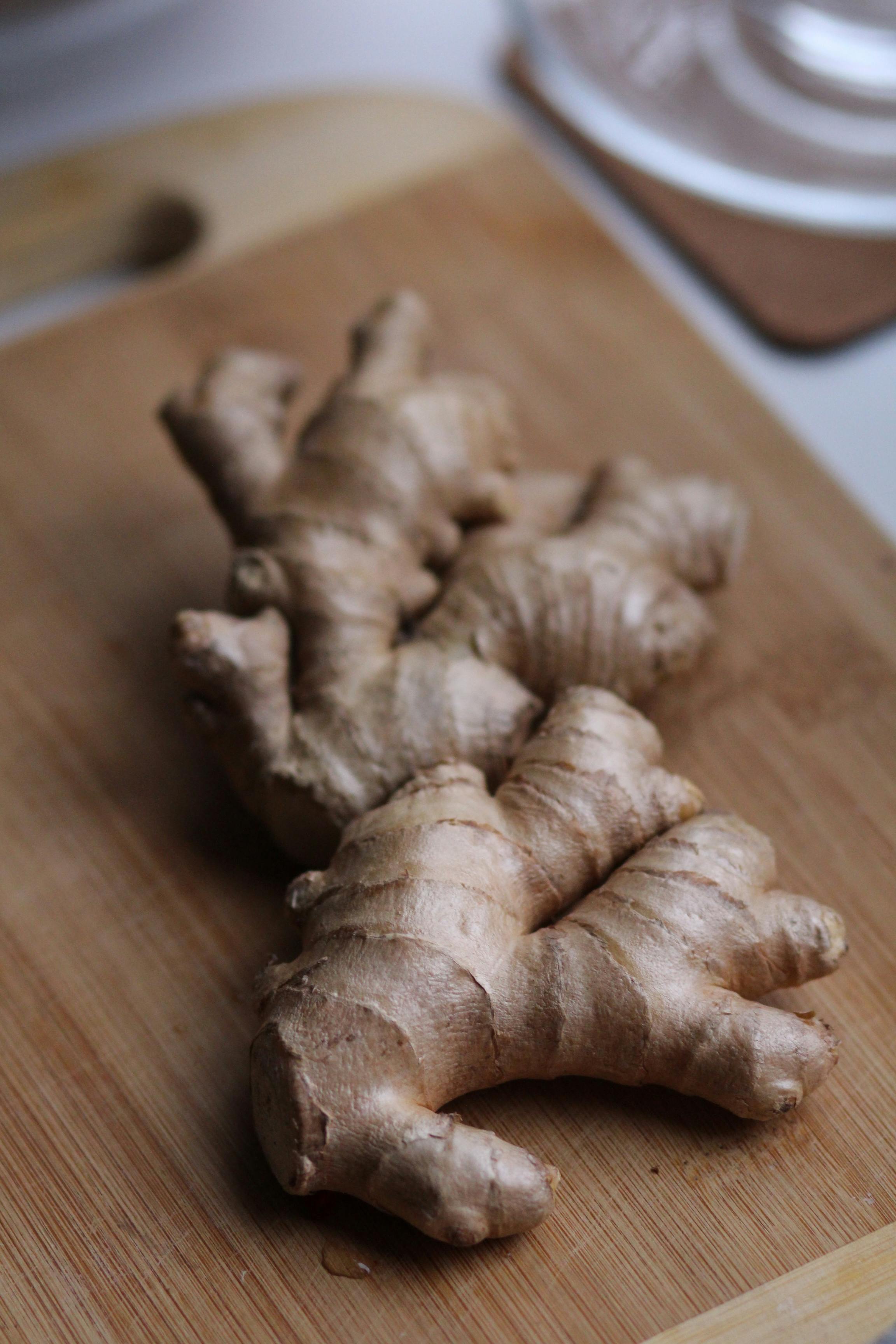
The diets react (see scores below)
Diet Ratings
Aromatic rhizome with ~7g net carbs per 100g, but used in small quantities (1-2 teaspoons per dish). Negligible impact on daily carb count while adding flavor.
Galangal is a plant rhizome used as a spice, with no animal products or animal-derived ingredients. It is a whole plant-based food.
Galangal is a rhizome spice with anti-inflammatory properties. Unprocessed, used as a flavoring herb. Available to hunter-gatherers in tropical regions. No anti-nutrients or processing.
Galangal is a plant-based spice/herb with minimal calories and potential anti-inflammatory properties. While not traditionally Mediterranean, it aligns with the diet's emphasis on plant-based flavoring and whole foods without added sugars or processing.
Galangal is not part of traditional Mediterranean cuisine and some purists argue Mediterranean diet should emphasize regional Mediterranean herbs; however, modern interpretations embrace compatible plant-based seasonings.
Galangal is a plant-derived spice from the rhizome of a plant. All spices and plant compounds are excluded from carnivore diet. Contains plant alkaloids and phytochemicals not aligned with carnivore principles.
Galangal is a root spice/herb with no excluded ingredients. Herbs and spices are explicitly allowed on Whole30.
Galangal is a rhizome similar to ginger with no significant FODMAP content. Monash testing confirms low-FODMAP status at typical culinary servings (1-2 teaspoons fresh or dried).
Galangal is a rhizome spice with negligible sodium, calories, and fat. It is rich in antioxidants and anti-inflammatory compounds. As a flavoring agent, it adds taste without sodium or unhealthy fats, aligning perfectly with DASH principles of enhancing flavor through herbs and spices rather than salt.
Galangal is a rhizome spice with minimal calories, carbohydrates, and fat. It provides flavor and polyphenols (anti-inflammatory compounds) without disrupting Zone macronutrient ratios. Like ginger, it is used in small quantities and contributes to the anti-inflammatory focus of the Zone Diet. It is an ideal Zone-compatible seasoning.
Galangal is a rhizome related to ginger with potent anti-inflammatory compounds including galangin and alpinetin. Used in Asian cuisine, it has antimicrobial and antioxidant properties. Supports the anti-inflammatory diet's emphasis on herbs and spices.
Galangal is a spice/herb with negligible calories and fat. Contains anti-inflammatory compounds and aids digestion. Adds flavor without triggering nausea (unlike very hot spices). Supports GI comfort. Used in small amounts, so portion control is automatic.
Nutritional profile
Six traits that cut across every diet.
Fiber & Plants
How much whole-plant food and fiber it delivers.
Healthy Fats
The quality of its fats (unsaturated, omega-3).
Whole / Unprocessed
How close it is to its natural, unprocessed form.
Gut Gentle
How easy it is on digestion (low FODMAP, few irritants).
Low Glycemic
How little it spikes your blood sugar.
Protein Density
How much protein it packs per calorie.
Controversy Index
Score range: 2–10/10. Higher controversy = more disagreement between diets.
Diet-Specific Tips for Galangal
 Keto — 8/10
- 7g net carbs per 100g
- Used in minimal quantities
- Adds flavor without carb burden
- Whole food spice
 Vegan — 9/10
- Plant-based
- No animal ingredients
- Whole food spice
 Paleo — 9/10
- Unprocessed spice
- Anti-inflammatory properties
- Available to hunter-gatherers
- Used as flavoring only
 Mediterranean — 7/10
- plant-based
- minimal processing
- no added sugars
- non-traditional but compatible
 Whole30 — 10/10
- Herb/spice
- Whole food
- Explicitly allowed
 Low-FODMAP — 8/10
- No fructans, GOS, lactose, or polyols
- Similar profile to ginger
- Safe at standard cooking portions
 DASH — 9/10
- Negligible sodium
- Negligible calories and fat
- Rich in antioxidants
- Supports DASH flavor enhancement without salt
 Zone — 9/10
- Negligible carbohydrates
- Negligible calories
- Polyphenol-rich
- Anti-inflammatory
- Flavor enhancer
 Anti-Inflammatory — 8/10
- galangin and alpinetin (polyphenols)
- antimicrobial properties
- antioxidants
- traditional anti-inflammatory use
 GLP-1 Friendly — 8/10
- Negligible calories and fat
- Anti-inflammatory properties
- Supports digestion
- Mild spice profile, unlikely to worsen reflux
- Adds flavor without caloric cost