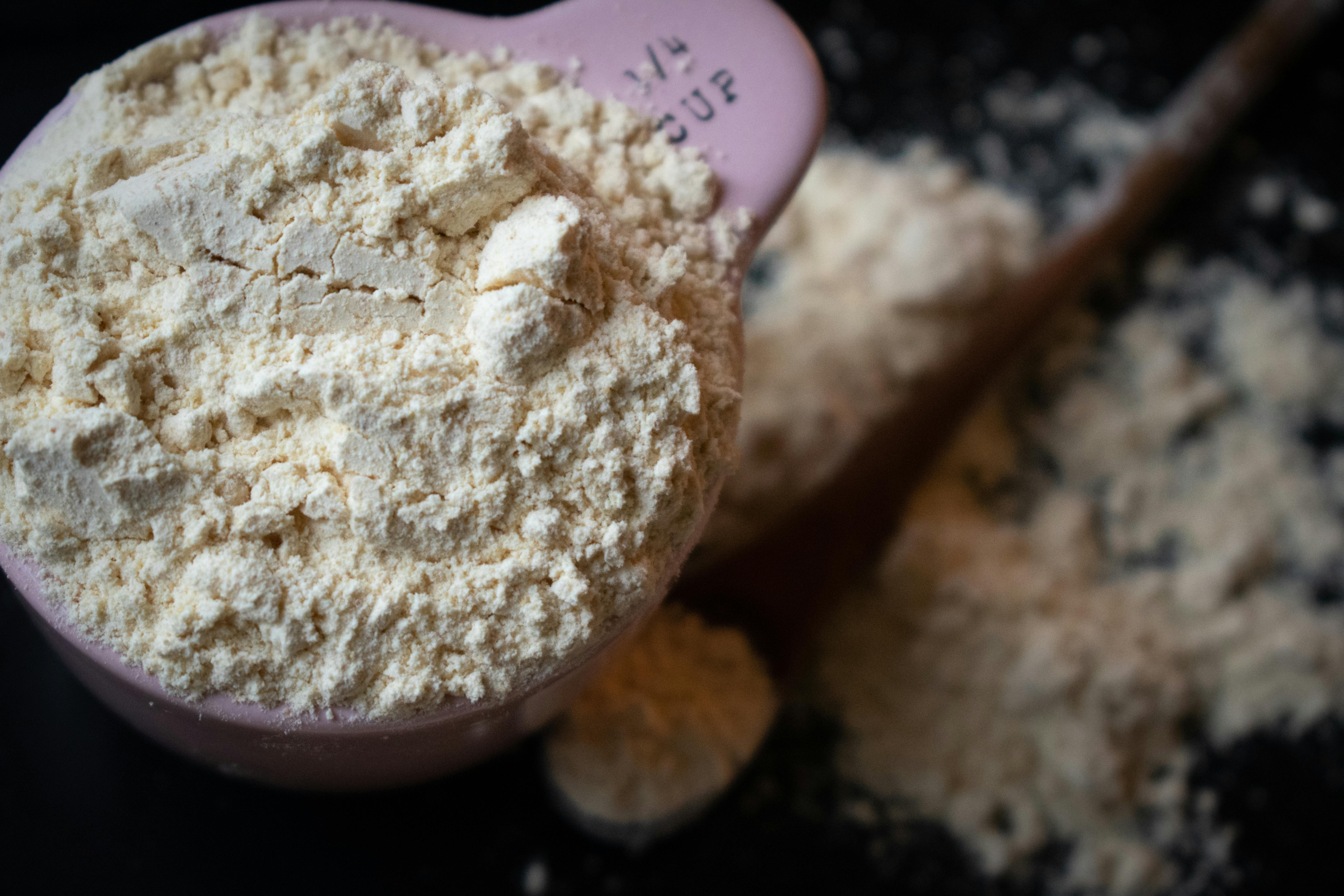
The diets react (see scores below)
Diet Ratings
Garbanzo flour contains ~20g net carbs per 2-tablespoon serving. It is a concentrated legume product designed for high-carb cooking. Even small portions rapidly exceed keto carb limits and provide minimal nutritional benefit beyond carbohydrates.
Plant-based flour made from ground chickpeas. Minimally processed whole food derivative with no animal ingredients.
Chickpeas are legumes; processing into flour does not change their fundamental classification or anti-nutrient profile. Explicitly excluded from paleo.
Made from chickpeas, a Mediterranean legume staple. Whole-food flour with no additives provides plant-based protein and fiber. Minimally processed.
Plant-derived legume flour. Explicitly excluded from carnivore diet. No animal products present.
Garbanzo beans (chickpeas) are legumes. Flour made from legumes remains excluded regardless of processing form.
Chickpea flour is derived from legumes, which are high in GOS. Monash University rates chickpeas and chickpea products as high-FODMAP. Flour concentration increases FODMAP density per serving.
Whole grain legume flour rich in fiber, plant protein, and minerals. Low sodium when unsalted. Excellent for DASH meal preparation. Supports satiety and stable blood glucose.
Legume flour with moderate protein (~12g per 2 tbsp) but also carb-dense (~13g net carbs per 2 tbsp). Useful as a binder or coating but difficult to portion for Zone balance. Best used sparingly in recipes where it can be distributed across multiple servings.
Whole legume-derived flour with high protein and fiber content. Retains polyphenols and antioxidants from chickpeas. Lower glycemic impact than refined grain flours. Supports anti-inflammatory dietary pattern.
High protein (12g per 2 tbsp), high fiber (3.5g per 2 tbsp), low fat, nutrient-dense. Excellent for baking or coating proteins. Works well in small servings as a thickener or batter.
Nutritional profile
Six traits that cut across every diet.
Fiber & Plants
How much whole-plant food and fiber it delivers.
Healthy Fats
The quality of its fats (unsaturated, omega-3).
Whole / Unprocessed
How close it is to its natural, unprocessed form.
Gut Gentle
How easy it is on digestion (low FODMAP, few irritants).
Low Glycemic
How little it spikes your blood sugar.
Protein Density
How much protein it packs per calorie.
Controversy Index
Score range: 1–8/10. Higher controversy = more disagreement between diets.
Diet-Specific Tips for Garbanzo flour (besan)
 Vegan — 8/10
- Plant-derived flour
- No animal products
- Minimal processing
- Whole food source
 Mediterranean — 8/10
- legume-based
- whole food flour
- plant protein
- no added ingredients
 DASH — 8/10
- High plant-based protein
- Good fiber source
- Low sodium (unsalted)
- Rich in magnesium
- Minimal processing
 Zone — 5/10
- Higher protein than grain flours
- Significant carb content requires careful measurement
- Works best as minor ingredient in recipes
- Glycemic load moderate for a flour
 Anti-Inflammatory — 8/10
- whole legume source
- high protein
- high fiber
- polyphenols retained
- lower glycemic index
 GLP-1 Friendly — 8/10
- high protein density
- high fiber
- low fat
- nutrient-dense per calorie
- small portion friendly