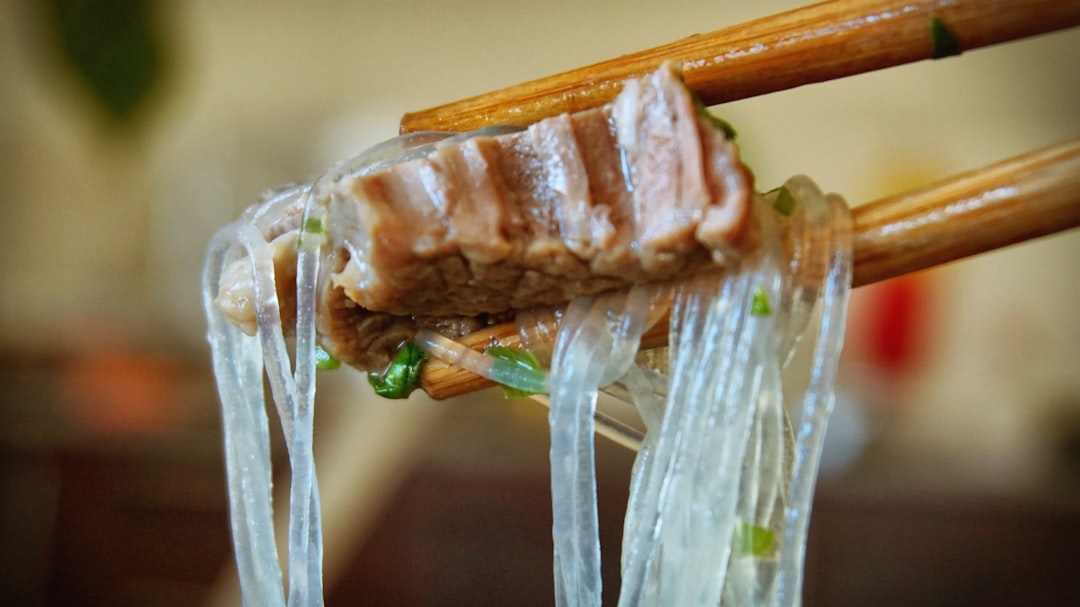
The diets react (see scores below)
Diet Ratings
Mung bean glass noodles contain ~25g net carbs per 100g dry weight. A typical serving (50g dry) provides 12-13g net carbs. Incompatible with keto.
Plant-based pasta made from mung bean starch with no animal products. Minimal processing. Good source of plant protein and fiber. Fully vegan-compliant.
Made from mung bean starch, which is a legume derivative. Despite being starch-based, the legume origin violates paleo principles. Processed food product.
Made from legumes (mung beans), which are Mediterranean staples, but processing removes much fiber and nutrients. Refined grain-like texture and glycemic impact. Whole legumes or whole grain pasta preferable.
Some Mediterranean diet practitioners accept glass noodles as acceptable legume-based pasta alternatives, particularly in modern adaptations incorporating Asian cuisines.
Legume-derived pasta product made from mung beans. All legumes and grain-based products are excluded from carnivore diet. Processed plant food with no animal products.
Mung beans are legumes and explicitly excluded from Whole30. Glass noodles made from mung bean starch are non-compliant regardless of processing method.
Mung bean glass noodles are low-FODMAP per Monash University. Mung beans are low in GOS when processed into noodles. Safe at standard serving sizes (cooked noodles).
Refined starch with minimal fiber (1g per serving), low sodium naturally but often prepared with high-sodium sauces. Better than wheat noodles but not ideal whole grain.
Updated clinical interpretation: Some clinicians accept glass noodles as acceptable starch alternative for those avoiding wheat, though NIH DASH guidelines prioritize whole grains for fiber and nutrient density.
Refined starch product (~20g net carbs per 50g dry). Minimal protein (~1.5g). High glycemic index despite legume origin. Macro profile poor for Zone (carb-heavy, protein-deficient). Usable only as carb component with substantial added protein/fat. Inferior to whole legumes.
Some Zone practitioners accept glass noodles as occasional carb source if portion-controlled and paired with adequate protein. Dr. Sears emphasizes whole grains/legumes over processed starches; glass noodles are convenience compromise.
Made from mung bean starch—whole legume source with lower glycemic impact than wheat noodles. Contains resistant starch. Easily digestible. Minimal processing. Good vehicle for anti-inflammatory vegetables and proteins in Asian dishes.
Mung bean glass noodles provide ~6g protein per 2 oz dry (~190 cal), which is moderate. However, they're carbohydrate-heavy (~40g carbs per 2 oz dry) and low in fiber (~1g per 2 oz dry). Minimal fat. Acceptable as a small side component in a protein-rich meal, but not a primary food. Portion-sensitive.
Nutritional profile
Six traits that cut across every diet.
Fiber & Plants
How much whole-plant food and fiber it delivers.
Healthy Fats
The quality of its fats (unsaturated, omega-3).
Whole / Unprocessed
How close it is to its natural, unprocessed form.
Gut Gentle
How easy it is on digestion (low FODMAP, few irritants).
Low Glycemic
How little it spikes your blood sugar.
Protein Density
How much protein it packs per calorie.
Controversy Index
Score range: 1–8/10. Higher controversy = more disagreement between diets.
Diet-Specific Tips for Glass noodles (mung bean)
 Vegan — 8/10
- 100% plant-based
- Made from legume (mung bean)
- No animal-derived ingredients
- Minimal processing
 Mediterranean — 5/10
- Processed legume product
- Reduced fiber vs. whole legumes
- Refined texture
- Whole legumes preferred
 Low-FODMAP — 8/10
- low GOS in processed form
- low fructan content
- standard serving size is safe
 DASH — 6/10
- Low fiber
- Refined starch
- Low inherent sodium
- Preparation-dependent
 Zone — 5/10
- refined starch
- minimal protein
- high glycemic index
- poor macro ratio
- processed legume product
 Anti-Inflammatory — 7/10
- legume-based
- lower glycemic index
- resistant starch
- minimal processing
- easily digestible
- whole food source
 GLP-1 Friendly — 5/10
- moderate protein
- high carbohydrate content
- low fiber
- calorie-dense
- portion-sensitive