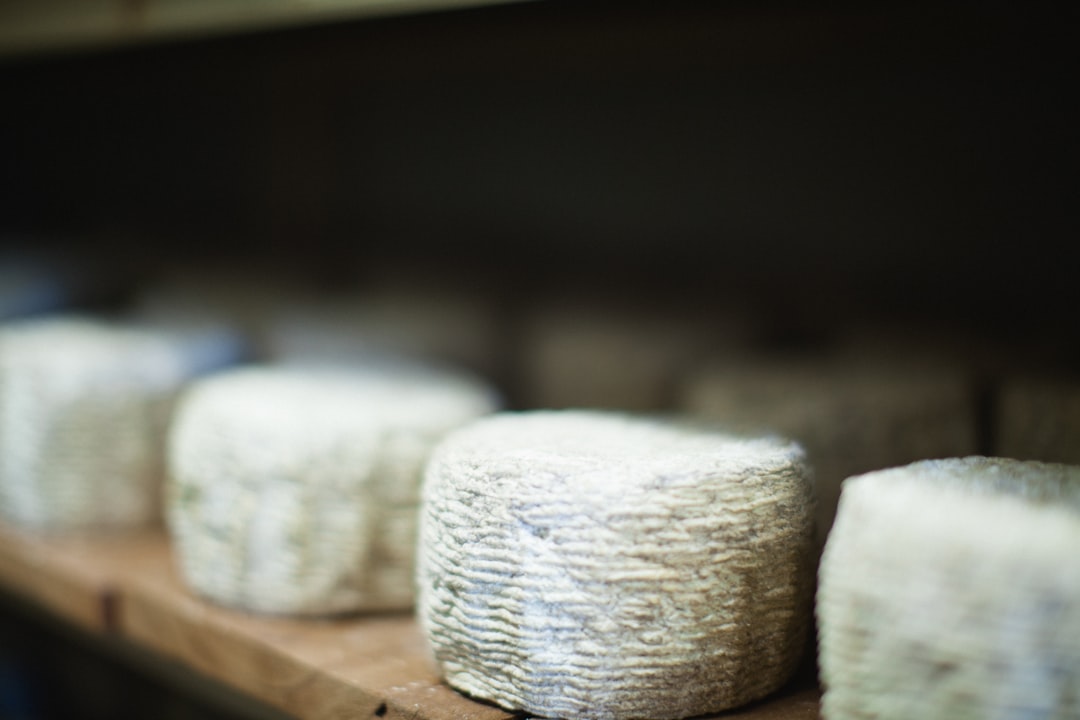
The diets react (see scores below)
Diet Ratings
Full-fat cheese with minimal carbs (0.3g per oz). Tangy flavor adds variety. No added sugars in plain varieties.
Cheese made from goat's milk, a dairy animal product. Incompatible with vegan diet regardless of source animal.
Dairy is excluded from paleo diet. Goat cheese contains lactose and casein. While some claim goat dairy is more digestible than cow dairy, strict paleo excludes all dairy products.
Goat cheese is a traditional Mediterranean cheese, particularly prominent in Greek and Southern French cuisines. It's lower in lactose than cow's milk cheese and provides protein and calcium. Moderate consumption aligns with Mediterranean dairy guidelines of a few servings weekly.
Goat cheese is animal-derived and full-fat, with lower lactose than cow dairy. Widely consumed by many carnivore practitioners, but dairy remains a debated category within the community.
Strict carnivore and Lion Diet adherents exclude all dairy including goat cheese due to lactose content or perceived inflammatory properties. Some practitioners accept it as a lower-lactose alternative to cow dairy.
Goat cheese is a dairy product and explicitly excluded from Whole30. The source (goat vs cow) does not change its classification as a prohibited dairy item.
Monash rates goat cheese as low-FODMAP at 40g. Soft cheeses retain more lactose than hard cheeses. Portion control is necessary; exceeding 40g risks lactose overload.
Some practitioners allow goat cheese more liberally; Monash recommends strict 40g portion limit due to lactose content relative to hard cheeses.
Lower saturated fat than cow cheese (3g per oz) and slightly lower sodium (98mg per oz), but still full-fat dairy. DASH prefers low-fat options. Acceptable in small portions due to tangy flavor requiring less quantity.
Goat cheese has slightly lower saturated fat than cow cheese and contains beneficial probiotics. Still primarily saturated fat but more favorable than hard cheeses. Minimal carbs. Works as a fat block in small portions (~1 ounce = 1 fat block) with protein contribution.
Goat cheese is lower in saturated fat than cow's milk cheeses and contains different fat composition that may be slightly less inflammatory. It also provides probiotics from fermentation. However, it remains a full-fat dairy product with significant omega-6 content. Acceptable in small portions more than other cheeses, but not a primary anti-inflammatory food.
Some anti-inflammatory advocates prefer goat cheese over cow cheeses due to easier digestibility and different casein structure. Dr. Weil moderates dairy rather than eliminating it, and goat cheese represents a better choice within the dairy category.
Moderate protein (5g per oz) with moderate fat (6g per oz, mostly unsaturated). Easier to digest than hard cheeses. Some GLP-1 patients develop temporary lactose sensitivity; goat cheese is lower in lactose than cow cheese, making it slightly better tolerated. Still portion-dependent and calorie-dense (76 cal per oz).
Some RDs recommend goat cheese as a preferred dairy option for GLP-1 patients due to lower lactose and easier digestibility; others limit all cheese due to fat content and recommend non-dairy protein sources instead.
Nutritional profile
Six traits that cut across every diet.
Fiber & Plants
How much whole-plant food and fiber it delivers.
Healthy Fats
The quality of its fats (unsaturated, omega-3).
Whole / Unprocessed
How close it is to its natural, unprocessed form.
Gut Gentle
How easy it is on digestion (low FODMAP, few irritants).
Low Glycemic
How little it spikes your blood sugar.
Protein Density
How much protein it packs per calorie.
Controversy Index
Score range: 1–8/10. Higher controversy = more disagreement between diets.
Diet-Specific Tips for Goat cheese
 Keto — 8/10
- 0.3g net carbs per ounce
- High fat
- Digestible protein
- Minimal processing
 Mediterranean — 8/10
- traditional Mediterranean cheese
- lower lactose than cow cheese
- good protein source
- used in traditional Mediterranean dishes
 Carnivore — 6/10
- animal-derived
- full-fat dairy
- lower lactose than cow cheese
- dairy debate within community
 Low-FODMAP — 6/10
- Soft cheese retains lactose
- Monash limit: 40g per serving
- Lactose-sensitive individuals should be cautious
 DASH — 5/10
- Moderate saturated fat (lower than hard cheeses)
- Moderate sodium
- Full-fat dairy
- Flavor-dense allows portion control
 Zone — 6/10
- Lower saturated fat than hard cheeses
- Probiotic content supports gut health
- Minimal carbs
- Portion control essential
 Anti-Inflammatory — 5/10
- Lower saturated fat than cow cheese
- Different fat composition (potentially less inflammatory)
- Fermented with beneficial bacteria
- Easier to digest than cow dairy for some
- Still contains omega-6 fatty acids
 GLP-1 Friendly — 5/10
- moderate protein
- moderate fat (mostly unsaturated)
- lower lactose than cow cheese
- easier to digest
- portion-dependent