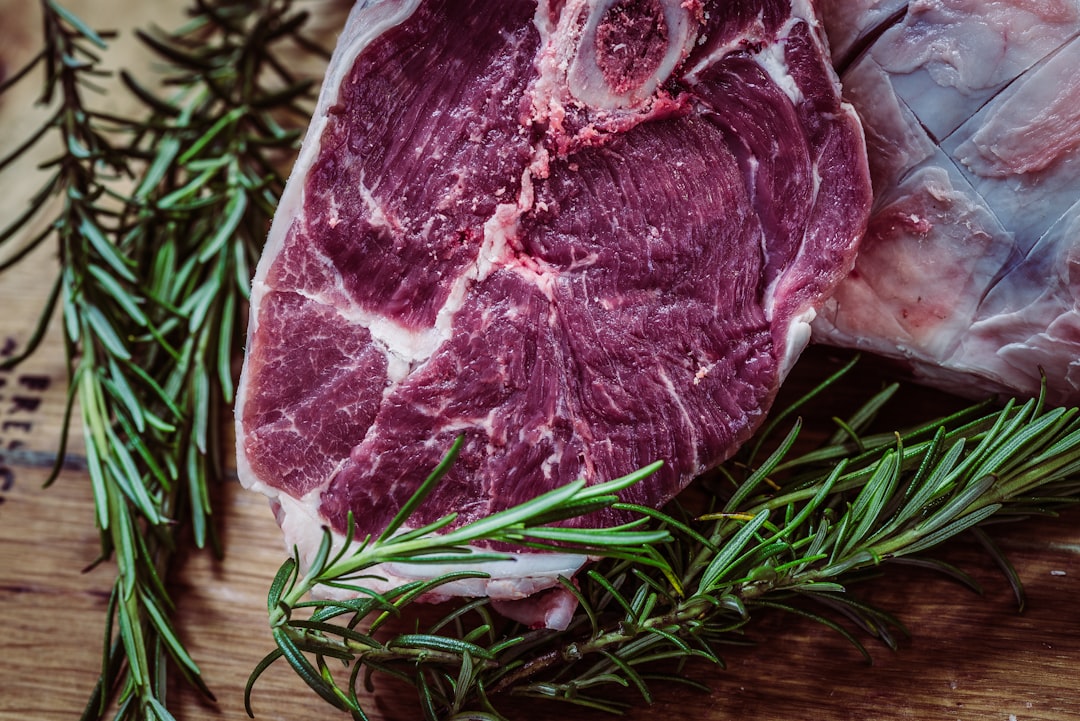
The diets react (see scores below)
Diet Ratings
Goat meat is a lean but nutrient-dense protein with zero carbohydrates and moderate fat content. It's an excellent whole, unprocessed food for keto diets.
Goat meat is animal flesh. Explicitly excluded from vegan diet. Non-negotiable animal product.
Goat meat is an unprocessed, nutrient-dense meat from a paleo-approved animal source. It was available to hunter-gatherers and provides high-quality protein and essential nutrients.
Goat meat is leaner than beef or pork with lower saturated fat and cholesterol. Traditional in Mediterranean regions (Greece, Middle East, North Africa). Aligns with occasional red meat consumption guidelines.
While goat meat is traditional in some Mediterranean regions, it is not universally emphasized. Some Mediterranean diet guidelines focus more on poultry and fish, viewing goat as acceptable but not preferred red meat.
Ruminant meat with excellent nutritional profile. Lean but nutrient-dense. Unprocessed, animal-derived, and highly compatible with carnivore diet. Ruminant status makes it a top-tier choice.
Goat meat is unprocessed meat, which is explicitly allowed on Whole30. It is a whole food with no excluded ingredients.
Goat meat is low-FODMAP. Like all plain meats, it is protein-based with no fermentable carbohydrates. Avoid marinades or seasonings containing garlic, onion, or high-FODMAP ingredients.
Leaner than beef or lamb with lower saturated fat. Red meat but with favorable lipid profile. DASH permits in moderation. Less established in guidelines but nutritionally favorable.
NIH DASH guidelines emphasize limiting red meat broadly; updated clinical interpretation recognizes goat meat's lower saturated fat and cholesterol compared to beef/lamb, making it acceptable occasionally.
Goat meat is exceptionally lean (~3g fat per 85g) with high protein (~26g per 85g). Fat profile is favorable with higher monounsaturated fat ratio than beef or lamb. One 3-oz serving = 2.5 protein blocks + 0.3 fat blocks. Aligns perfectly with Zone's lean protein and monounsaturated fat emphasis. Excellent choice when available.
Goat meat is leaner than beef or lamb with lower saturated fat content. Contains beneficial fatty acid profile including CLA and omega-3s. Less inflammatory than other red meats but still higher in saturated fat than poultry. Acceptable in moderation as part of anti-inflammatory diet.
Some anti-inflammatory experts rate goat meat higher (6-7) due to superior fatty acid profile compared to conventional beef. Mediterranean and Middle Eastern traditions support goat meat as acceptable protein source.
Goat meat is lean (lower saturated fat than beef or lamb: 3-5g per 3 oz cooked), high in protein (25-28g per 3 oz), and rich in micronutrients (iron, B12, selenium, zinc). It is easier to digest than fattier red meats and supports muscle preservation during weight loss. However, goat meat is less commonly available and less familiar to many patients, so clinical experience with GLP-1 populations is limited. Emerging evidence suggests it is an excellent choice.
While goat meat is nutritionally superior to beef or lamb, some RDs remain cautious due to limited availability and patient familiarity. Most obesity medicine specialists view it favorably as a lean, nutrient-dense protein alternative when accessible.
Nutritional profile
Six traits that cut across every diet.
Fiber & Plants
How much whole-plant food and fiber it delivers.
Healthy Fats
The quality of its fats (unsaturated, omega-3).
Whole / Unprocessed
How close it is to its natural, unprocessed form.
Gut Gentle
How easy it is on digestion (low FODMAP, few irritants).
Low Glycemic
How little it spikes your blood sugar.
Protein Density
How much protein it packs per calorie.
Controversy Index
Score range: 1–9/10. Higher controversy = more disagreement between diets.
Diet-Specific Tips for Goat meat
 Keto — 9/10
- 0g net carbs
- High protein
- Moderate fat content
- Whole, unprocessed food
- Nutrient-dense
 Paleo — 9/10
- Unprocessed meat
- High protein quality
- Nutrient-dense
- Ancestral food source
 Mediterranean — 7/10
- leaner than beef/pork
- lower saturated fat
- traditional Mediterranean meat
- acceptable red meat choice
- regional availability varies
 Carnivore — 9/10
- ruminant meat
- nutrient-dense
- excellent amino acid profile
- unprocessed
- preferred animal source
 Whole30 — 9/10
- Unprocessed meat
- Explicitly allowed
- Whole food
- No excluded ingredients
 Low-FODMAP — 9/10
- Protein-based with no fermentable carbs
- Plain preparation is safe
- Avoid garlic/onion marinades
- Standard serving well-tolerated
 DASH — 6/10
- lower saturated fat than beef/lamb
- lower cholesterol than beef
- red meat category
- good protein and iron
- less processed than alternatives
 Zone — 8/10
- Very lean (~3g fat per 85g)
- High protein (~26g per 85g)
- Favorable fat profile (more monounsaturated)
- One 3-oz serving = 2.5 protein blocks + minimal fat
- Ideal Zone protein choice
 Anti-Inflammatory — 5/10
- leaner than beef/lamb
- lower saturated fat
- CLA present
- omega-3 content
- traditional use in Mediterranean
 GLP-1 Friendly — 7/10
- lean (low saturated fat)
- high protein density
- micronutrient-rich
- easy to digest
- limited availability