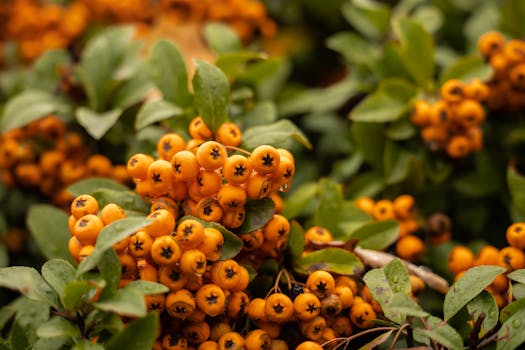
The diets react (see scores below)
Diet Ratings
Golden berries contain approximately 13g net carbs per 100g. While lower than many fruits, they exceed typical single-serving keto limits. Small portions (1 oz/28g) yield ~3.6g net carbs and are manageable for those with carb headroom.
Strict keto practitioners avoid all fruits due to sugar content and potential metabolic disruption, while moderate keto dieters argue small portions of lower-carb berries fit within daily limits.
Whole plant food, naturally vegan, nutrient-dense fruit with no animal products or derivatives.
Golden berries (Physalis peruviana) are whole, unprocessed fruits available in nature. Rich in vitamins, minerals, and antioxidants with no anti-nutrients. Consistent with hunter-gatherer food availability.
Berries are emphasized in Mediterranean diet as nutrient-dense fruits rich in antioxidants, fiber, and polyphenols. Golden berries provide similar benefits to other berries with natural sweetness and minimal processing.
Plant-derived fruit with significant carbohydrate and sugar content. Carnivore diet excludes all plant foods, including fruits, regardless of perceived health benefits.
Golden berries are whole, unprocessed fruits with no added sugar or excluded ingredients. Fully compliant with Whole30.
Golden berries contain excess fructose relative to glucose. Monash testing shows they are low-FODMAP at 28g (approximately 7-8 berries), but portions must be strictly controlled. Larger servings exceed fructose thresholds.
Some clinical practitioners recommend avoiding golden berries entirely due to fructose content, while Monash University permits a measured serving in the elimination phase.
Excellent DASH food. High in fiber, potassium, and antioxidants. Low sodium, no added sugar in whole form. Rich in vitamin C and phytonutrients. Supports cardiovascular health.
Golden berries are moderately low-glycemic compared to high-sugar fruits, with a GI around 55. However, they contain more natural sugars than Zone-preferred berries (blueberries, strawberries). Portion control is essential—they work as a 2-serving fruit allowance but require careful measurement.
Some Zone practitioners accept golden berries more liberally due to their fiber content and polyphenol profile, treating them similarly to blueberries. Dr. Sears emphasizes colorful fruits with lower fructose loads; golden berries fall in a gray zone.
Golden berries are rich in antioxidants, polyphenols, and vitamin C. High in fiber and low glycemic index. Excellent anti-inflammatory fruit choice with minimal processing.
High fiber (2.4g per 28g serving), low calorie density, nutrient-dense (vitamin C, antioxidants), naturally sweet without added sugar, easy to digest, works well in small portions. Supports fullness and GI health.
Nutritional profile
Six traits that cut across every diet.
Fiber & Plants
How much whole-plant food and fiber it delivers.
Healthy Fats
The quality of its fats (unsaturated, omega-3).
Whole / Unprocessed
How close it is to its natural, unprocessed form.
Gut Gentle
How easy it is on digestion (low FODMAP, few irritants).
Low Glycemic
How little it spikes your blood sugar.
Protein Density
How much protein it packs per calorie.
Controversy Index
Score range: 2–9/10. Higher controversy = more disagreement between diets.
Diet-Specific Tips for Golden berries
 Vegan — 9/10
- Whole fruit
- No processing
- No animal products
 Paleo — 8/10
- Whole fruit
- No processing
- Natural sugars acceptable in paleo
- High nutrient density
 Mediterranean — 8/10
- whole fruit
- high antioxidants
- natural sugars
- minimal processing
 Whole30 — 9/10
- Whole fruit
- No added sugar
- No processing
 Low-FODMAP — 5/10
- Excess fructose content
- Dose-dependent FODMAP status
- Small portion allowance (28g)
 DASH — 8/10
- High fiber content
- Rich in potassium
- Low sodium
- Antioxidant-rich
- Whole fruit form
 Zone — 5/10
- Moderate glycemic index (~55)
- Higher natural sugar than preferred berries
- Good fiber and polyphenol content
- Portion-dependent suitability
 Anti-Inflammatory — 8/10
- High antioxidant content
- Polyphenols
- Low glycemic index
- Fiber-rich
- Minimal processing
 GLP-1 Friendly — 8/10
- high fiber
- low calorie density
- nutrient-dense
- natural sweetness
- portion-friendly