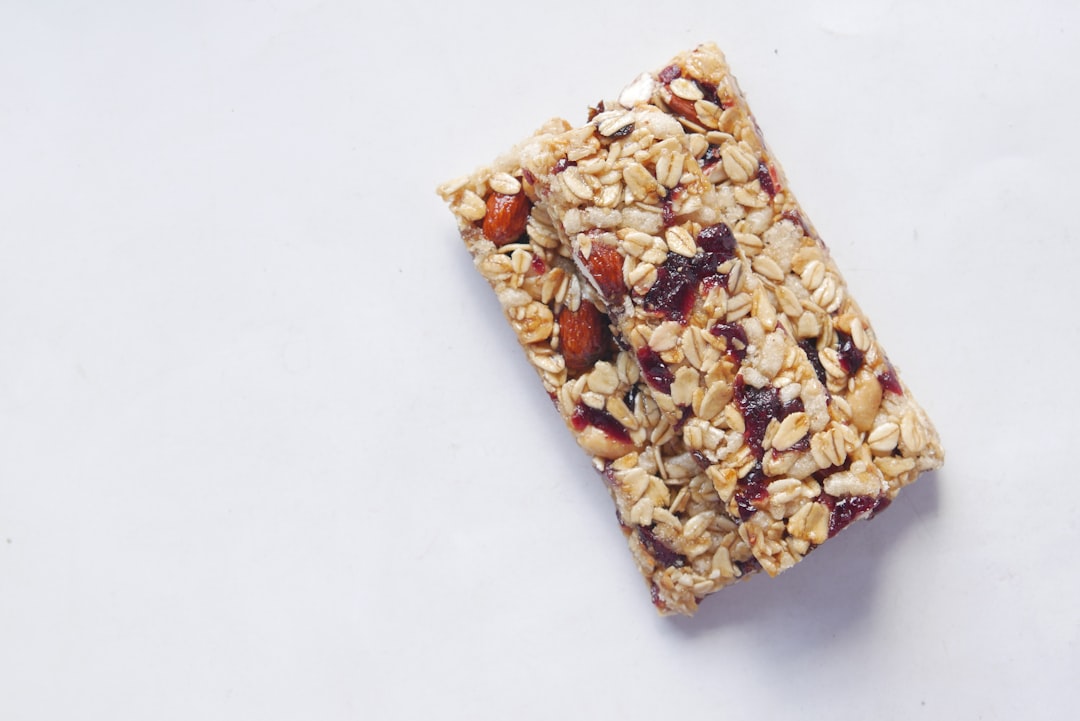
The diets react (see scores below)
Diet Ratings
Granola bars contain 15-25g net carbs per bar from oats, grains, and added sugars. Fundamentally incompatible with ketogenic macros and will disrupt ketosis.
Most commercial granola bars contain honey, dairy, or whey. Some brands offer vegan versions. Highly processed regardless. Must verify ingredients carefully.
Some vegans accept honey-sweetened granola bars as acceptable due to minimal bee harm compared to dairy, though mainstream vegan organizations exclude honey.
Granola bars contain grains (oats), refined sugar, seed oils, and processing. Violates core paleo principles.
Typically high in added sugars, refined grains, and processed ingredients. Contradicts Mediterranean emphasis on whole grains and minimal added sugars.
Primarily composed of grains, oats, nuts, seeds, and dried fruit. Plant-based throughout. Directly contradicts carnivore diet principles.
Granola bars contain grains (oats) and added sugar. They also recreate a processed snack food which violates Whole30's no junk food recreation rule.
Most granola bars contain high-FODMAP ingredients: wheat (fructans), honey or high-fructose sweeteners, dried fruit (excess fructose), and nuts. Monash University consistently rates standard granola bars as high-FODMAP due to cumulative FODMAP load.
Granola bars are typically high in added sugar, saturated fat (often coconut oil), and calories. Minimal fiber benefit despite grain content. Does not meet DASH standards.
Granola bars are typically 30-40g carbs with minimal protein and high sugar content. High glycemic load and impossible to portion into Zone macros without exceeding carb targets by 2-3x.
Typically high in added sugars, refined grains, and often contains inflammatory seed oils. Minimal fiber relative to sugar content. Pro-inflammatory due to refined carbohydrates and omega-6 seed oils.
Typical granola bars are high in sugar (8-15g), high in fat (5-8g), low in protein (2-4g), and calorie-dense (120-180 cal). Minimal fiber relative to sugar content. Empty calories that provide poor satiety and worsen blood sugar control. Not formulated for GLP-1 dietary needs.
Nutritional profile
Six traits that cut across every diet.
Fiber & Plants
How much whole-plant food and fiber it delivers.
Healthy Fats
The quality of its fats (unsaturated, omega-3).
Whole / Unprocessed
How close it is to its natural, unprocessed form.
Gut Gentle
How easy it is on digestion (low FODMAP, few irritants).
Low Glycemic
How little it spikes your blood sugar.
Protein Density
How much protein it packs per calorie.
Controversy Index
Score range: 1–5/10. Higher controversy = more disagreement between diets.
Diet-Specific Tips for Granola bar
 Vegan — 5/10
- Honey is common sweetener—check label
- Whey or milk powder often present
- High sugar and processing