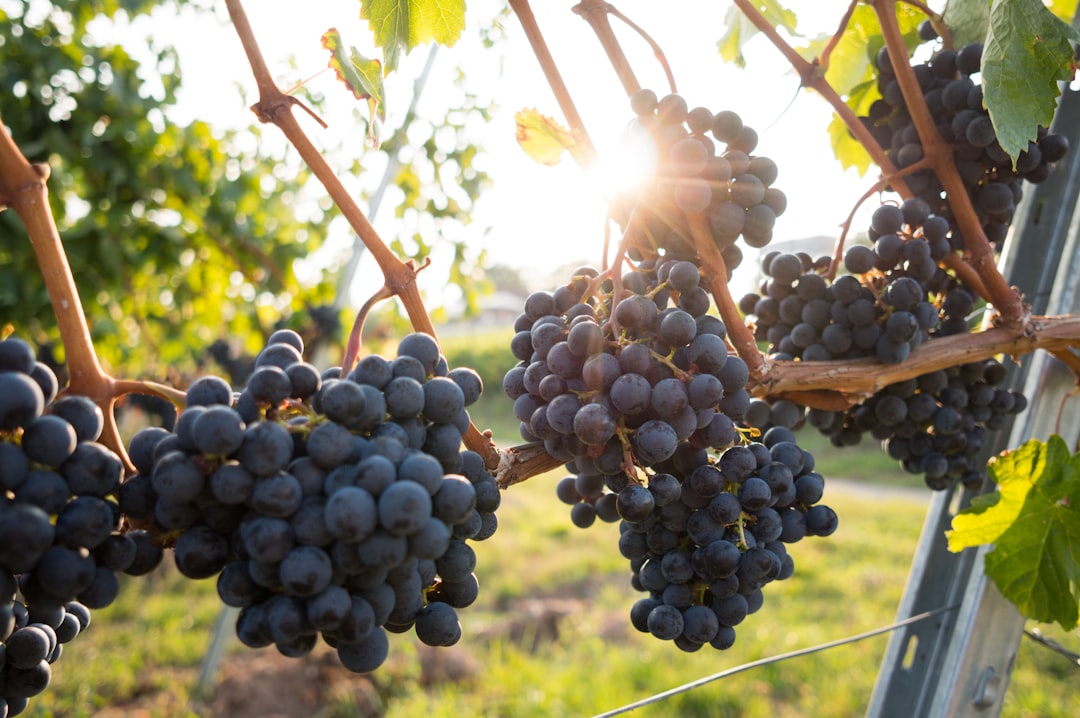
The diets react (see scores below)
Diet Ratings
1 cup (~151g) contains ~27g net carbs and ~23g sugar. High sugar concentration and carb density make them incompatible with ketosis.
Whole plant food, naturally vegan, good source of antioxidants. No animal-derived ingredients or processing.
Unprocessed whole fruit available to Paleolithic humans. Good source of antioxidants, fiber, and natural sugars. Acceptable in paleo diet, though portion control recommended due to sugar density.
Grapes are traditional Mediterranean fruits with high polyphenol content, particularly in red and purple varieties. They are encouraged for daily consumption and are central to Mediterranean wine culture (in moderation).
Plant-derived fruit with high sugar content. Excluded from carnivore diet as a plant food.
Whole fruit with no added ingredients. Explicitly compliant as a natural fruit allowed on Whole30.
Monash University rates grapes as low-FODMAP at a limited serving of 1/2 cup (75g), but high-FODMAP at larger portions due to excess fructose. Portion restriction is necessary.
Some practitioners may allow slightly larger portions, but Monash's conservative limit of 1/2 cup is recommended for elimination phase to minimize fructose load.
DASH-approved fruit. Good source of potassium, fiber, and polyphenols (especially red/purple varieties). Low sodium. Whole grapes preferred over juice.
High glycemic index with concentrated natural sugars. Difficult to portion control. Dr. Sears recommends avoiding grapes and raisins due to high sugar density.
Rich in resveratrol and other polyphenols with strong anti-inflammatory properties. Red and purple varieties particularly beneficial. Whole grapes preferred over juice or raisins.
High natural sugar content (17g per 100g), low fiber (0.9g per 100g), easy to overconsume due to small size and palatability. High glycemic load despite water content (81%). Better avoided or strictly portioned.
Nutritional profile
Six traits that cut across every diet.
Fiber & Plants
How much whole-plant food and fiber it delivers.
Healthy Fats
The quality of its fats (unsaturated, omega-3).
Whole / Unprocessed
How close it is to its natural, unprocessed form.
Gut Gentle
How easy it is on digestion (low FODMAP, few irritants).
Low Glycemic
How little it spikes your blood sugar.
Protein Density
How much protein it packs per calorie.
Controversy Index
Score range: 1–10/10. Higher controversy = more disagreement between diets.
Diet-Specific Tips for Grapes
 Vegan — 9/10
- whole food
- no processing
- high nutritional value
- no animal products
 Paleo — 8/10
- Unprocessed whole food
- Moderate to higher natural sugar
- Good antioxidant content
- Available to hunter-gatherers
 Mediterranean — 9/10
- High polyphenol content
- Traditional Mediterranean fruit
- Antioxidant properties
- Whole food form
 Whole30 — 10/10
- Whole fruit
- No added sugar
- No processing
 Low-FODMAP — 5/10
- Excess fructose content
- Dose-dependent FODMAP status
- Strict portion limits (1/2 cup max)
 DASH — 8/10
- Potassium-rich
- Polyphenol antioxidants
- Low sodium
- Fiber content
- Cardiovascular support
 Anti-Inflammatory — 8/10
- Resveratrol
- Polyphenols
- Anthocyanins in red varieties
- Antioxidant capacity
 GLP-1 Friendly — 5/10
- high natural sugars
- low fiber
- easy to overconsume
- high glycemic load
- portion-sensitive