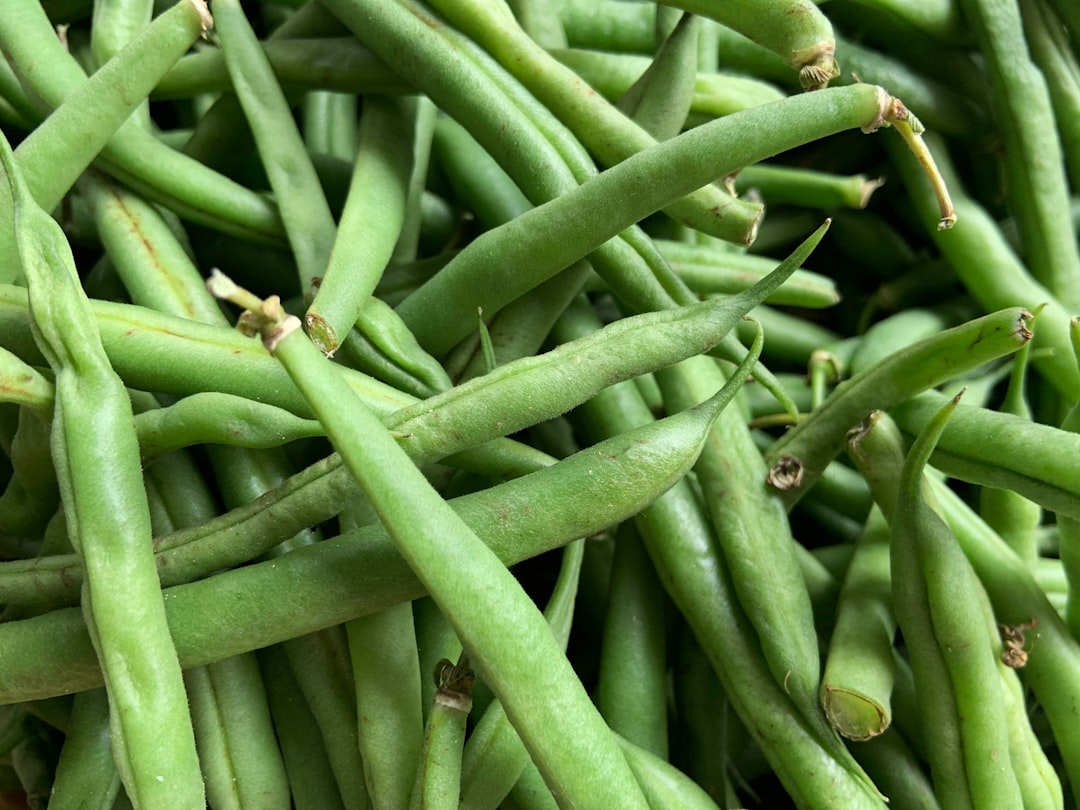
The diets react (see scores below)
Diet Ratings
Green beans contain ~7g net carbs per 100g cooked. Acceptable in small portions (handful) but portion control is essential to stay within daily carb limits. Often considered a 'free' vegetable in lazy keto but stricter practitioners count them carefully.
Whole plant food, nutrient-dense vegetable with no animal products or derivatives. Excellent source of fiber, vitamins, and minerals.
Green beans are technically legumes but are often included in paleo diets because they are consumed immature (pod and all) before significant lectin and phytate accumulation. Many paleo practitioners allow them in moderation, though strict interpretations exclude all legumes.
Strict Cordain-school paleo excludes all legumes including green beans; however, Mark Sisson and most modern paleo communities accept green beans as a vegetable rather than a legume protein source.
Green beans are a nutrient-dense vegetable rich in fiber, vitamins, and minerals. They exemplify the plant-based foundation of the Mediterranean diet and should be consumed multiple times weekly.
Plant-derived legume. Violates core carnivore principle of exclusive animal products. Contains plant compounds and anti-nutrients.
Green beans are explicitly listed as an exception to the legume exclusion in official Whole30 guidelines. They are whole, unprocessed vegetables fully compliant with the program.
Green beans are low in FODMAPs at standard serving sizes (1 cup cooked). Monash University has tested and confirmed low-FODMAP status.
Low-sodium vegetable rich in fiber, potassium, and magnesium. Core DASH food with minimal processing and excellent nutrient density.
Excellent low-glycemic vegetable with minimal net carbs (~7g per cup cooked). Counts toward the 8 daily vegetable servings. Minimal fat, pairs easily with lean protein and monounsaturated fat for balanced Zone meals.
Green beans are a colorful vegetable rich in antioxidants, fiber, and polyphenols. Low in calories and pro-inflammatory compounds. Excellent fit for anti-inflammatory diet pyramid.
Low-calorie, high-fiber vegetable with excellent nutrient density. Easy to digest, high water content supports hydration. Minimal fat, supports GI health and prevents constipation. Works well in small portions.
Nutritional profile
Six traits that cut across every diet.
Fiber & Plants
How much whole-plant food and fiber it delivers.
Healthy Fats
The quality of its fats (unsaturated, omega-3).
Whole / Unprocessed
How close it is to its natural, unprocessed form.
Gut Gentle
How easy it is on digestion (low FODMAP, few irritants).
Low Glycemic
How little it spikes your blood sugar.
Protein Density
How much protein it packs per calorie.
Controversy Index
Score range: 2–10/10. Higher controversy = more disagreement between diets.
Diet-Specific Tips for Green beans
 Keto — 6/10
- 7g net carbs per 100g
- Portion-dependent
- Fiber content helps offset carbs
- Low calorie density
 Vegan — 9/10
- whole plant food
- no processing
- nutrient-dense
- environmentally sustainable
 Paleo — 6/10
- Technically a legume but consumed immature
- Lower anti-nutrient content than mature beans
- Commonly accepted in modern paleo practice
 Mediterranean — 9/10
- Low calorie density
- High fiber content
- Rich in vitamins K and C
- Versatile preparation methods
 Whole30 — 10/10
- Official Whole30 exception
- Legume exception
- Whole vegetable
 Low-FODMAP — 8/10
- Low fructan content
- Low GOS content
- Standard serving well-tolerated
 DASH — 9/10
- Low sodium
- High fiber
- Rich in potassium
- Low calorie density
 Zone — 9/10
- Low glycemic index
- High fiber relative to carbs
- Vegetable serving
- Minimal caloric density
 Anti-Inflammatory — 8/10
- antioxidants
- fiber
- polyphenols
- low glycemic impact
 GLP-1 Friendly — 8/10
- high fiber (3g per 100g)
- low fat
- high water content
- easy to digest
- nutrient-dense per calorie