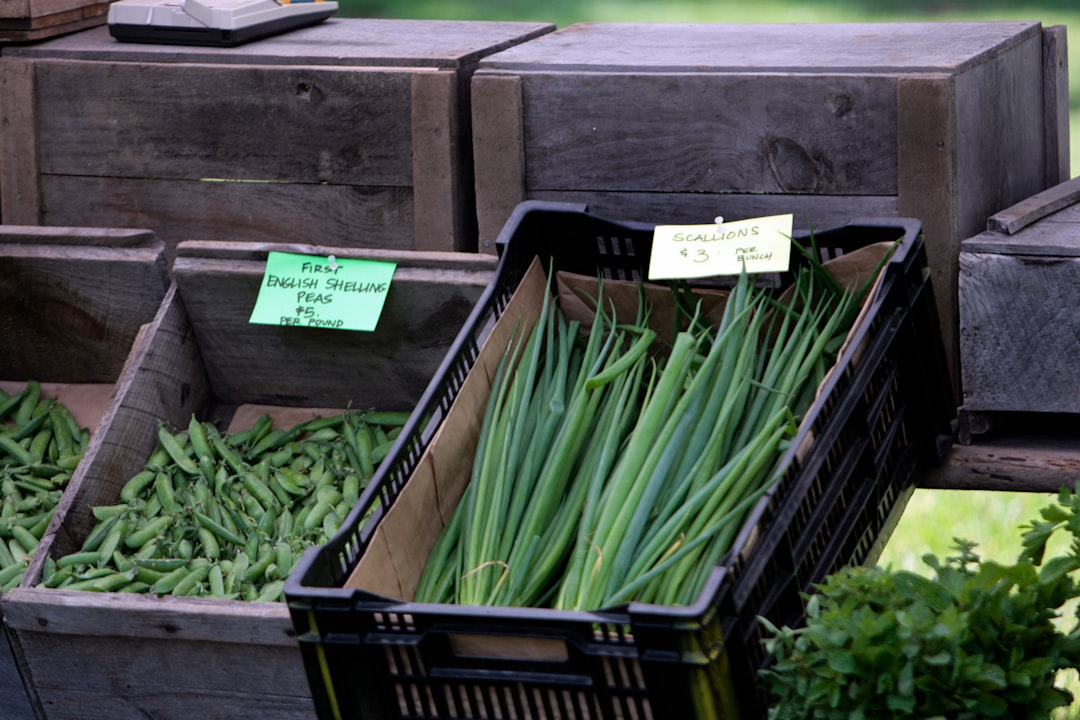
Green onion (scallion)
Rated by 11 diets
The diets react (see scores below)
Diet Ratings
Green onions are very low in net carbs (approximately 0.7g per tablespoon) and commonly used as a keto-friendly garnish and flavoring. Minimal impact on daily carb budget.
Green onions are whole plant vegetables with no animal products or derivatives. Nutritious and minimally processed.
Unprocessed vegetable, available to hunter-gatherers. Low-carb, nutrient-dense, and commonly used as seasoning/flavoring in paleo cooking.
Fresh vegetable with minimal calories, beneficial phytonutrients, and flavor enhancement. Aligns with emphasis on abundant plant-based foods consumed daily.
Green onions are plant-derived vegetables. Carnivore diet excludes all plant foods, including vegetables and alliums. No exceptions in standard carnivore protocols.
Green onions/scallions are whole, unprocessed vegetables with no excluded ingredients. Fully compliant with Whole30.
Monash University rates green onion (scallion) as low-FODMAP only at the white and pale green parts, limited to 1 tablespoon (6g). Dark green tops are high in fructans. Strict portion control required.
Non-starchy vegetable with minimal sodium, rich in vitamins K and C, and phytonutrients. Core DASH vegetable with negligible calories and excellent nutrient density.
Low-glycemic vegetable with minimal carbs (~1g per 2 tbsp chopped). Excellent for flavoring without carb load. Counts toward 8 vegetable servings daily. Negligible impact on macros.
Allium vegetable with quercetin and other polyphenols. Contains sulfur compounds with anti-inflammatory properties. Low calorie, nutrient-dense, and supports anti-inflammatory herb/spice category.
Green onions are nutrient-dense, low-calorie flavor enhancers with fiber, vitamins (K, C), and minerals. They add volume and flavor to meals without fat or significant calories. Excellent for supporting satiety and nutrient intake in small-portion eating. No GI side effects.
Nutritional profile
Six traits that cut across every diet.
Fiber & Plants
How much whole-plant food and fiber it delivers.
Healthy Fats
The quality of its fats (unsaturated, omega-3).
Whole / Unprocessed
How close it is to its natural, unprocessed form.
Gut Gentle
How easy it is on digestion (low FODMAP, few irritants).
Low Glycemic
How little it spikes your blood sugar.
Protein Density
How much protein it packs per calorie.
Controversy Index
Score range: 1–9/10. Higher controversy = more disagreement between diets.
Diet-Specific Tips for Green onion (scallion)
 Keto — 8/10
- 0.7g net carbs per tablespoon
- Minimal carb impact
- Adds flavor without carbs
- Whole food
 Vegan — 9/10
- Whole plant food
- Vegetable
- No processing
 Paleo — 9/10
- unprocessed vegetable
- low-carb
- nutrient-dense
- no additives
 Mediterranean — 9/10
- whole plant food
- minimal processing
- nutrient-dense
- flavor without added fat or sodium
 Whole30 — 9/10
- Whole vegetable
- No processing
- No excluded ingredients
 Low-FODMAP — 4/10
- High fructan content in dark green parts
- Only white/pale green base is low-FODMAP
- Severe portion restriction (1 tablespoon)
- Dose-dependent FODMAP status
 DASH — 9/10
- Non-starchy vegetable
- Very low sodium
- Rich in vitamins K and C
- Minimal calories
- Phytonutrients
 Zone — 9/10
- Very low glycemic index
- Minimal carbs
- Vegetable serving
- Flavor enhancer
 Anti-Inflammatory — 9/10
- polyphenols
- quercetin
- sulfur compounds
- allium family
 GLP-1 Friendly — 8/10
- very low calorie
- nutrient-dense per calorie
- fiber-supporting
- flavor enhancer
- no fat or GI risk