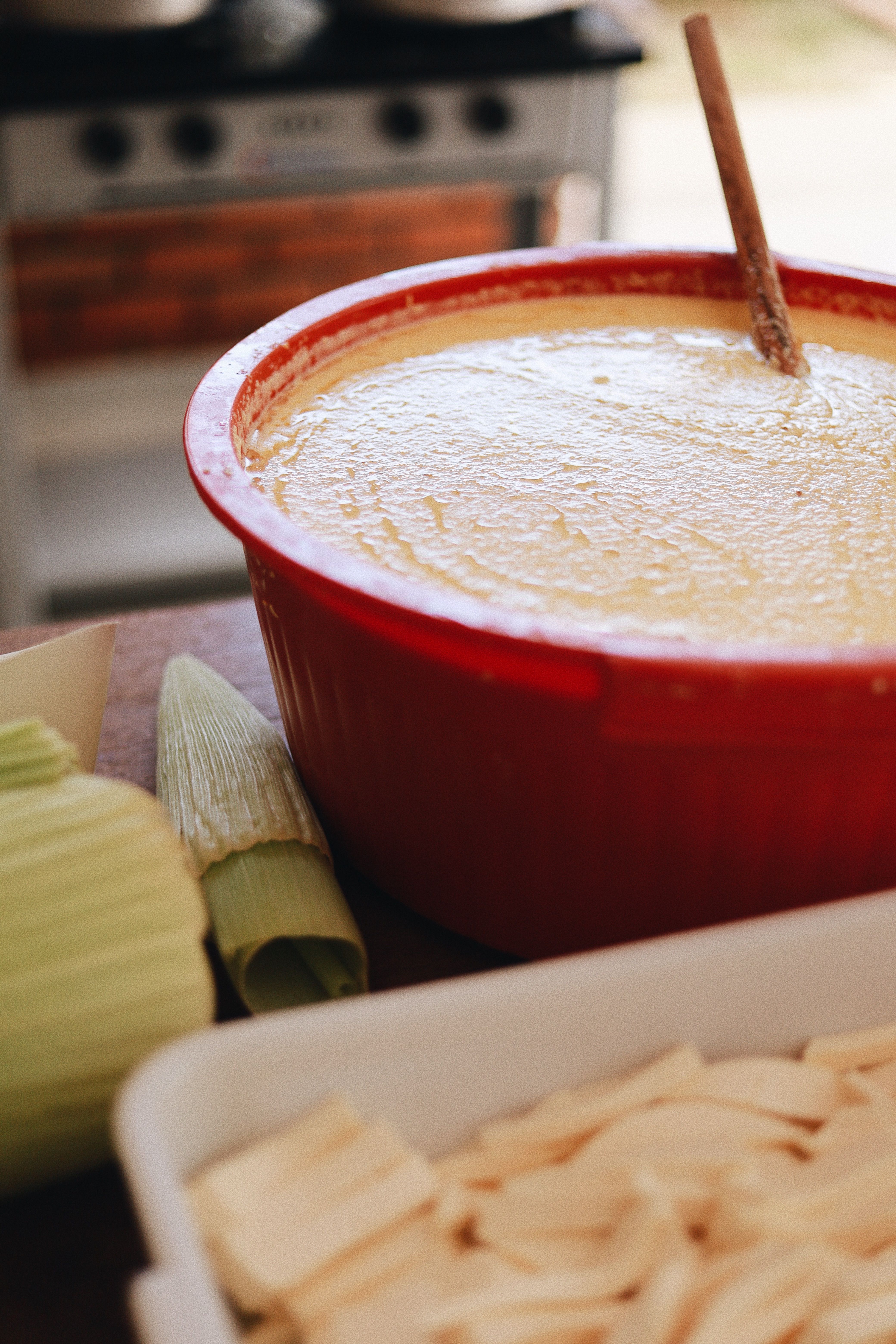
The diets react (see scores below)
Diet Ratings
Grits are ground corn with ~18g net carbs per 100g cooked. A typical serving (150g) contains ~27g net carbs. Corn is a starch grain fundamentally incompatible with ketosis.
Corn-based grain product that is plant-based. Traditional preparation uses butter and cheese, but the ingredient itself is vegan.
Grits are made from corn (maize), which is a grain. Grains are explicitly excluded from paleo diet. Grits represent processed corn and violate core paleo principles regardless of preparation method.
Grits are refined corn with minimal fiber and nutritional value. Not traditional to Mediterranean diet and lack the whole grain benefits emphasized in Mediterranean principles.
Corn-derived grain product. Plant-origin, high carbohydrate, grain-based. Explicitly excluded from carnivore diet as a plant food.
Grits are made from corn, an excluded grain on Whole30. Corn products are not permitted.
Grits are made from corn (maize), a low-FODMAP grain. Monash University confirms corn is low-FODMAP at standard serving sizes. Plain grits prepared with low-FODMAP milk or butter are safe.
Refined corn product with minimal fiber unless whole grain. Low sodium in plain form but often prepared with butter, cheese, and salt. Lacks micronutrient density of whole grains. Acceptable only if made from whole grain corn and prepared with minimal fat and sodium.
Updated clinical interpretation: Whole grain grits are increasingly recognized as acceptable in DASH-adapted Southern diets. Traditional preparation methods vary widely. NIH DASH guidelines emphasize whole grain content and preparation method.
Grits are made from refined corn with high glycemic index (~85) and minimal fiber. They are nutritionally equivalent to white rice and explicitly excluded from Zone protocol. Even whole-grain grits would be suboptimal compared to vegetables. Zone requires low-glycemic carbs; refined corn products are discouraged.
Grits are typically made from refined corn with minimal fiber and antioxidants. High glycemic index. Neutral inflammatory profile. Acceptable occasionally but not preferred.
Refined corn starch (7g carbs per 100g cooked, 1.5g protein per 100g, 0.4g fiber per 100g). Minimal protein, minimal fiber, high calorie density relative to satiety. Often prepared with butter and cheese, adding fat. Displaces protein and fiber in limited calorie budget. Poor choice for GLP-1 patients.
Nutritional profile
Six traits that cut across every diet.
Fiber & Plants
How much whole-plant food and fiber it delivers.
Healthy Fats
The quality of its fats (unsaturated, omega-3).
Whole / Unprocessed
How close it is to its natural, unprocessed form.
Gut Gentle
How easy it is on digestion (low FODMAP, few irritants).
Low Glycemic
How little it spikes your blood sugar.
Protein Density
How much protein it packs per calorie.
Controversy Index
Score range: 1–8/10. Higher controversy = more disagreement between diets.
Diet-Specific Tips for Grits
 Vegan — 8/10
- Corn-derived
- Minimally processed
- Preparation method affects final dish
 Low-FODMAP — 8/10
- Corn-based, low FODMAP
- No fructans or polyols
- Safe at standard portions
 DASH — 5/10
- Often refined
- Low fiber unless whole grain
- Preparation-dependent sodium
- Often prepared with saturated fat
- Regional staple
 Anti-Inflammatory — 4/10
- Refined corn
- Low fiber
- High glycemic index
- Minimal antioxidants
- Often prepared with butter or cream