The diets react (see scores below)
Diet Ratings
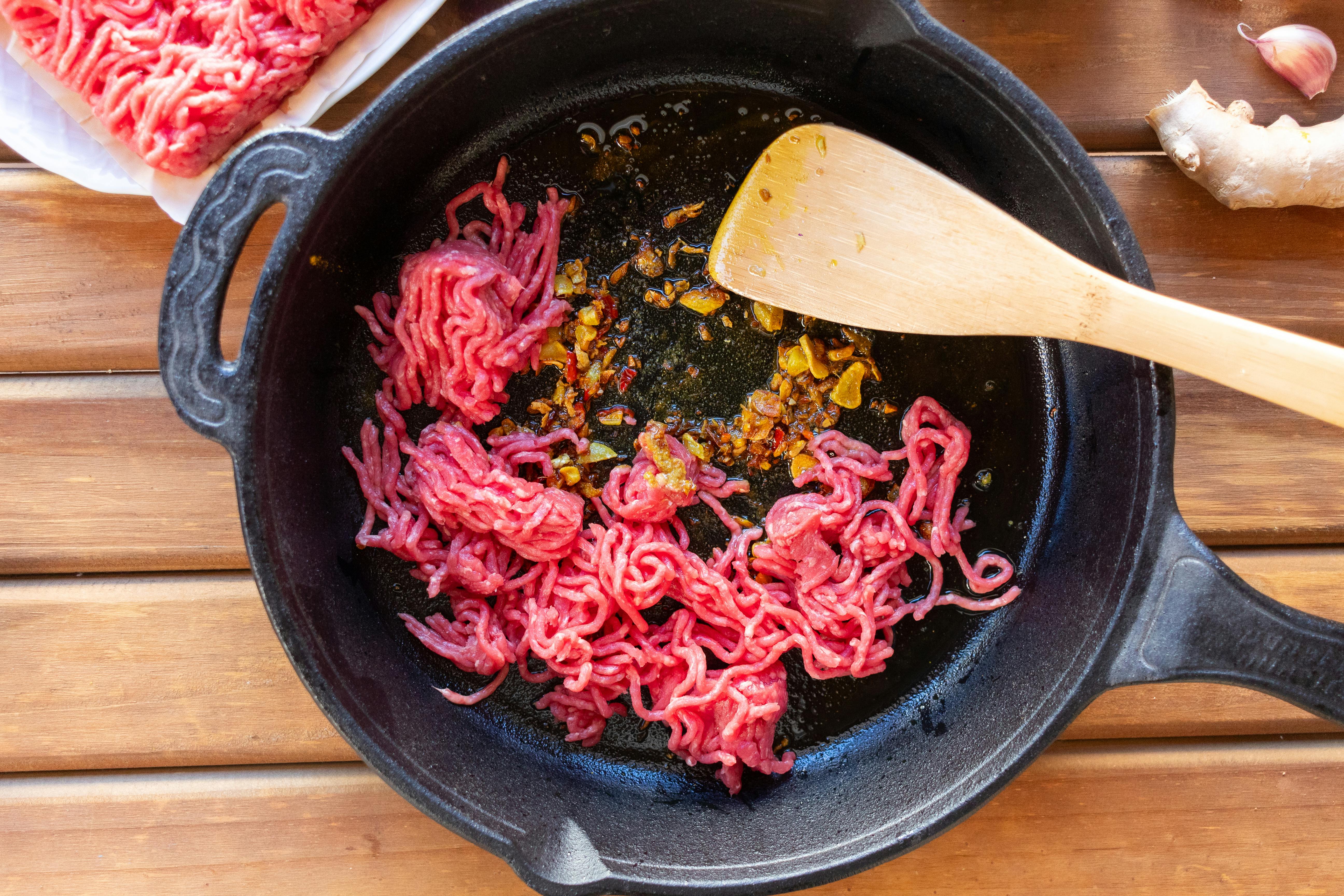
80/20 ground beef is zero-carb with excellent fat-to-protein ratio (20% fat, ~22g protein per 100g). Ideal for keto macros and satiety. Highly compatible.
Ground beef is beef meat, explicitly excluded from all vegan diets. It is an animal product with no plant-based alternative consideration.
Ground beef with 80/20 ratio is unprocessed beef with good fat content. Grass-fed is preferred, but conventional ground beef is paleo-compliant. The fat ratio supports satiety and nutrient absorption.
Ground beef at 80/20 ratio contains significant saturated fat. Red meat should be limited to a few times monthly in Mediterranean diets. While acceptable occasionally, this higher-fat ground beef should be consumed infrequently and in small portions.
Ground beef with 80/20 ratio (80% lean, 20% fat) is animal-derived, minimally processed, and provides good fat content. It is widely accepted across all carnivore diet protocols.
Ground beef with standard fat ratio is compliant. It is unprocessed meat with no added ingredients, binders, or fillers.
Ground beef is a protein with no FODMAPs. Monash University confirms all plain beef as low-FODMAP at any reasonable serving size.
High saturated fat (8-10g per 3oz serving) and cholesterol. DASH guidelines limit red meat and emphasize lean options. 80/20 blend exceeds saturated fat recommendations.
80/20 ground beef contains ~20% fat, requiring careful portioning. 3.5 oz provides ~25g protein but ~15g fat (excessive for one meal). Requires pairing with minimal additional fat. Leaner ground beef (90/10 or 93/7) is preferred.
80/20 ground beef contains 20% fat, predominantly saturated. Moderate omega-6 to omega-3 ratio. Higher inflammatory potential than lean poultry but lower than fattier cuts. Acceptable occasionally in moderation but should not be primary protein. Grass-fed variants slightly better.
Ground beef (80/20) provides good protein (22g per 3.5 oz) but contains significant fat (17g per 3.5 oz), which worsens GLP-1 side effects (nausea, bloating, reflux). At 290 calories per 3.5 oz, it is calorie-dense relative to nutrient return. Leaner ground beef (93/7 or 96/4) is preferable, but 80/20 can be used occasionally if fat is drained thoroughly.
Some GLP-1 RDs accept 80/20 ground beef as an occasional protein source if prepared carefully (drained well), while others recommend exclusively 93/7 or leaner to minimize fat-related side effects. The clinical consensus leans toward leaner cuts, but individual tolerance varies.
Nutritional profile
Six traits that cut across every diet.
Fiber & Plants
How much whole-plant food and fiber it delivers.
Healthy Fats
The quality of its fats (unsaturated, omega-3).
Whole / Unprocessed
How close it is to its natural, unprocessed form.
Gut Gentle
How easy it is on digestion (low FODMAP, few irritants).
Low Glycemic
How little it spikes your blood sugar.
Protein Density
How much protein it packs per calorie.
 DASH+3
 Zone+3
 Mediterranean+2+2 more
 Keto−4
 Carnivore−3
Similar on the other 4 diets
Swaps into 96 dishes
Controversy Index
Score range: 1–10/10. Higher controversy = more disagreement between diets.
Diet-Specific Tips for Ground beef (80/20)
Keto — 9/10- Zero net carbs
- 20% fat content
- 22g protein per 100g
- Nutrient-dense
 Paleo — 9/10
- Unprocessed meat
- Balanced fat content
- High protein
- Nutrient-dense
- Grass-fed preferred
Mediterranean — 4/10- Red meat category
- High saturated fat content
- Limited frequency recommended
- Portion control essential
Carnivore — 8/10- ruminant meat
- good fat ratio
- minimally processed
- widely available
 Whole30 — 10/10
- whole meat
- unprocessed
- no additives
- core compliant food
 Low-FODMAP — 9/10
- Pure protein and fat, no carbohydrates
- No fermentable components
- Safe at any portion
Zone — 5/10- High fat content (20%)
- Saturated fat dominant
- Requires portion control
- Leaner alternatives preferable
 Anti-Inflammatory — 4/10
- saturated fat content
- moderate omega-6
- red meat
- inflammatory potential
- grass-fed variant preferred
 GLP-1 Friendly — 5/10
- Good protein content
- High fat (17g per 3.5 oz)
- High saturated fat
- Calorie-dense
- May worsen nausea/bloating
- Requires thorough fat drainage
Editor's Picks
As an Amazon Associate, FoodRef.ai earns from qualifying purchases. This does not affect our ratings.