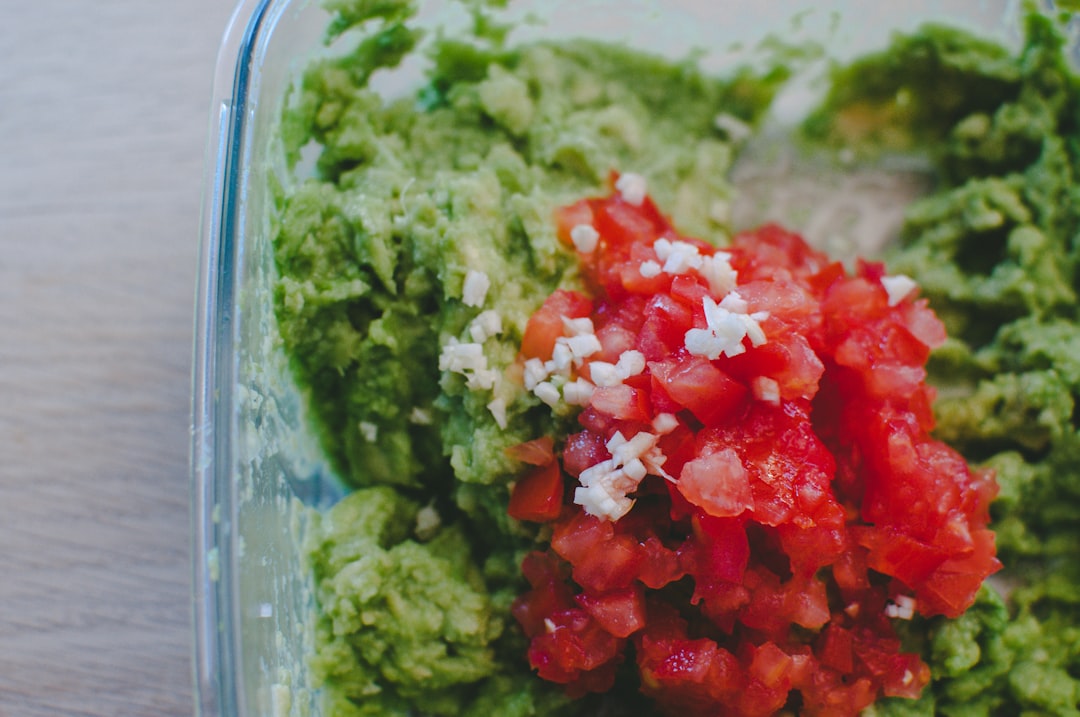
Guacamole (store-bought)
Rated by 11 diets
The diets react (see scores below)
Diet Ratings
Avocado base is keto-friendly (2g net carbs per 100g), but store-bought versions often contain added sugars, seed oils, or fillers. Check labels carefully.
Strict keto practitioners avoid all store-bought guacamole due to potential additives and seed oil content; homemade guacamole is preferred.
Base ingredient (avocado) is vegan, but store-bought versions often contain additives, preservatives, and may include non-vegan emulsifiers or processing aids. Check label for animal-derived ingredients.
Some vegans accept store-bought guacamole without scrutiny if primary ingredients are plant-based, viewing minor processing aids as unavoidable in modern food systems.
Avocado is paleo-approved, but store-bought guacamole often contains added salt, preservatives, seed oils, or fillers. Homemade guacamole would be approved; commercial versions require ingredient verification.
Some paleo practitioners accept store-bought guacamole if ingredient list shows only avocado, lime, salt, and cilantro. Others avoid all processed foods including commercial guacamole.
Avocados are healthy fats aligned with Mediterranean principles, but store-bought guacamole often contains added oils, preservatives, and sodium. Fresh avocado or homemade guacamole would be preferred. The processing and additives reduce alignment with Mediterranean emphasis on whole foods.
Some practitioners accept quality store-bought guacamole with minimal additives as convenient and still nutritionally sound, particularly if it supports dietary adherence.
Guacamole is avocado-based (plant fruit) and typically contains added plant ingredients, oils, and additives. Explicitly excluded from carnivore diet.
Guacamole itself (avocado, lime, salt, cilantro) is compliant, but store-bought versions often contain added sugar, soy lecithin (historically excluded, now allowed per 2024 rules), or other additives. Must verify ingredient label carefully.
Melissa Urban's official guidance emphasizes reading labels on all processed foods. While soy lecithin is now permitted as of 2024, some community members still avoid store-bought versions due to other potential additives or added sugar.
Avocado is low-FODMAP at ½ fruit (67g). Store-bought guacamole often contains onion, garlic, or lime juice. Ingredient list determines safety; many commercial versions are high-FODMAP.
Monash rates avocado as low-FODMAP at specified portions; however, most store-bought guacamole contains garlic/onion, making it high-FODMAP. Check label carefully.
Avocado provides potassium and unsaturated fat (DASH-aligned), but store-bought versions often contain added sodium (200-400mg per 2 tbsp), added oils, and preservatives. Check labels for sodium content.
Avocado is ideal monounsaturated fat, but store-bought guacamole often contains added sugars, oils, or fillers. Pure guacamole (avocado, lime, salt) scores 8; commercial versions require label verification. Portion control essential: ~3 tablespoons = 1 fat block.
Dr. Sears emphasizes whole avocado over processed guacamole due to potential additives and oxidation. Homemade guacamole preferred.
Store-bought guacamole contains avocado (excellent anti-inflammatory source of monounsaturated fat and polyphenols), but often includes added oils, preservatives, and excess sodium. Quality varies significantly by brand. Fresh homemade guacamole would score 8-9; commercial versions are compromised by additives and processing.
Some nutritionists argue that store-bought guacamole remains acceptable if ingredients are clean (avocado, lime, salt, cilantro only). The convenience may justify minor additives for adherence. However, Dr. Weil's approach emphasizes whole foods and minimal processing.
Avocado provides unsaturated fat and fiber (3g per 2 tbsp), but store-bought versions are often high in total fat (9g per 2 tbsp) and may contain added oils/fillers. Calorie-dense (90 cal per 2 tbsp). Better as a small condiment than a primary food. Homemade with fresh avocado is preferable.
Nutritional profile
Six traits that cut across every diet.
Fiber & Plants
How much whole-plant food and fiber it delivers.
Healthy Fats
The quality of its fats (unsaturated, omega-3).
Whole / Unprocessed
How close it is to its natural, unprocessed form.
Gut Gentle
How easy it is on digestion (low FODMAP, few irritants).
Low Glycemic
How little it spikes your blood sugar.
Protein Density
How much protein it packs per calorie.
Controversy Index
Score range: 1–6/10. Higher controversy = more disagreement between diets.
Diet-Specific Tips for Guacamole (store-bought)
 Keto — 6/10
- Variable added sugars
- Potential seed oil inclusion
- Avocado base is keto-compatible
- Label-dependent quality
 Vegan — 6/10
- Plant-based base
- Heavily processed
- Requires label verification
- May contain additives
 Paleo — 5/10
- avocado base is paleo
- processing concerns
- added preservatives
- seed oil risk
- salt content
 Mediterranean — 5/10
- avocado is Mediterranean-friendly
- store-bought versions often processed
- added preservatives and sodium
- fresh whole form preferred
 Whole30 — 5/10
- Requires label verification
- Often contains additives
- Base ingredient compliant
 Low-FODMAP — 5/10
- Avocado portion must be monitored
- Garlic and onion are common additives
- Lime juice is low-FODMAP but check for other ingredients
- Brand-dependent safety
 DASH — 6/10
- Good source of potassium
- Unsaturated fat profile
- Variable sodium by brand
- Often contains added ingredients
 Zone — 6/10
- Monounsaturated fat quality depends on ingredients
- Potential added sugars or oils in commercial versions
- Portion-sensitive for fat block measurement
- Label verification critical
 Anti-Inflammatory — 6/10
- Avocado provides excellent monounsaturated fat and polyphenols
- Often contains added oils and preservatives
- Variable sodium content
- May include emulsifiers or thickeners
- Oxidation and browning prevention additives common
 GLP-1 Friendly — 5/10
- high fat content
- calorie-dense
- moderate fiber
- portion-dependent
- processed versions less ideal